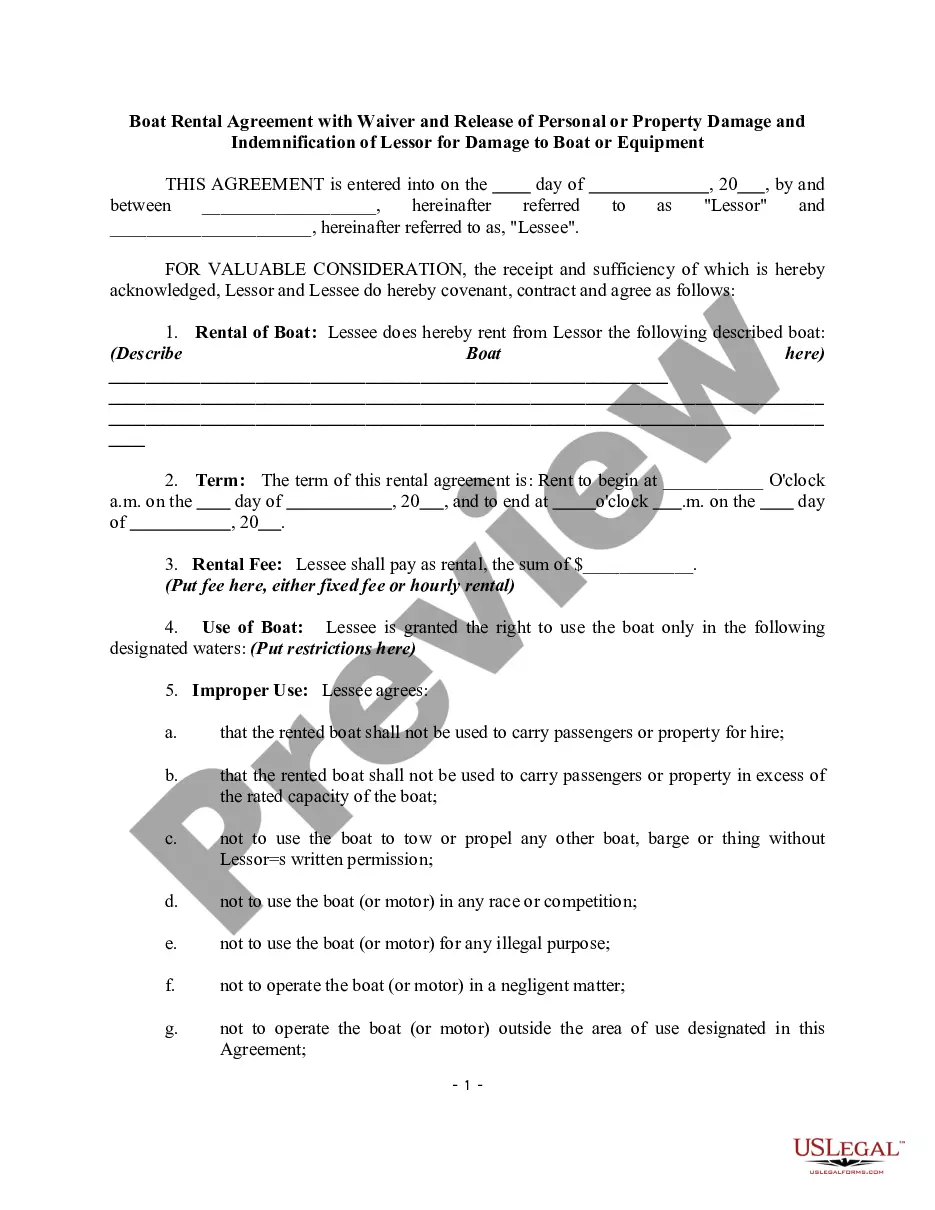
Law On Construction Cambodia In Sacramento
Description












Get your form ready online
Our built-in tools help you complete, sign, share, and store your documents in one place.
Make edits, fill in missing information, and update formatting in US Legal Forms—just like you would in MS Word.
Download a copy, print it, send it by email, or mail it via USPS—whatever works best for your next step.
Sign and collect signatures with our SignNow integration. Send to multiple recipients, set reminders, and more. Go Premium to unlock E-Sign.
If this form requires notarization, complete it online through a secure video call—no need to meet a notary in person or wait for an appointment.
We protect your documents and personal data by following strict security and privacy standards.

Make edits, fill in missing information, and update formatting in US Legal Forms—just like you would in MS Word.

Download a copy, print it, send it by email, or mail it via USPS—whatever works best for your next step.

Sign and collect signatures with our SignNow integration. Send to multiple recipients, set reminders, and more. Go Premium to unlock E-Sign.

If this form requires notarization, complete it online through a secure video call—no need to meet a notary in person or wait for an appointment.

We protect your documents and personal data by following strict security and privacy standards.
Looking for another form?



Form popularity
FAQ
Effective July 1, 2024, contractors will be required to certify Workers' Compensation classification codes when renewing their licenses. The requirement ensures proper Workers' Comp coverage and accurate worker classification. Review your current classifications to be sure you comply with the law.
For example, in California, the statute of repose is four years for most problems, but 10 years for latent defects or problems that aren't readily apparent. Stay on the lookout for contractors who try to shorten the implied warranty by offering a shorter warranty term—sometimes for as brief a period as one year.
Strict liability: The builder is strictly liable for any construction defects in a residential home, even if the work was performed by a subcontractor. The builder is also strictly liable for damages, costs, and fees relating to the construction defects, including property damage.
Construction law in South Africa regulates the building industry of the country. It is a flexible and dynamic body of law, due to obligations and rights of parties in the construction industry of South Africa changing over time.
Common regulations governing construction in California include safety codes, zoning regulations noise regulations, and other environmental regulations. In California, homeowners and real estate developers should have knowledge of construction law to ensure they meet legal compliance and protect their rights.
Any owner or authorized agent who intends to construct, enlarge, alter, repair, move, demolish, or change the occupancy of a building or structure, or to erect, , enlarge, alter, repair, remove, convert or replace any electrical, gas, mechanical or plumbing system, the installation of which is regulated by this ...
Setbacks 9 10 Front Yard - 20 ft. 6 12 Side-Street Yard (corner) - 12.5 ft. 6 12 Side and Rear Yard - 4 ft. Maximum Non- Habitable Square Footage Attached to Detached ADU 11 Maximum shall be as listed for Residential Accessory Structures in Table 5.10.
Minor Accessory Structures Minor structures or sheds which do not exceed 120 square feet in area and nine (9) feet in height overall may be placed on the property line.
Per the California Residential Code detached accessory structure not exceeding 120 square feet does not require a building permit if there is no plumbing, electrical, and or mechanical equipment. Please note, Sheds and/or Structures under 120 square feet do require a Planning Permit.
Projects that change the configuration of walls, pipes, wiring, roofs, or major appliances typically DO require at least one type of building permit. Projects that DO NOT need a building permit are simple surface (cosmetic) projects; minor repairs and replacements; and minor site improvements or small structures.