Contract Law Deals With In Oakland
Description














Form popularity
FAQ
Required Elements of a Real Estate Contract To establish legality, a real estate contract must include a legal purpose, legally competent parties, agreement by offer and acceptance, consideration, and consent.
Lesson Summary. A contract is a legal agreement between two or more parties in which they agree to each other's rights and responsibilities. Offer, acceptance, awareness, consideration, and capacity are the five elements of an enforceable contract.
Real estate contracts commonly include the following information: Parties involved: The names and contact information of the buyer(s) and seller(s). Property description: A detailed description of the property, including its address, legal description, and any specific features.
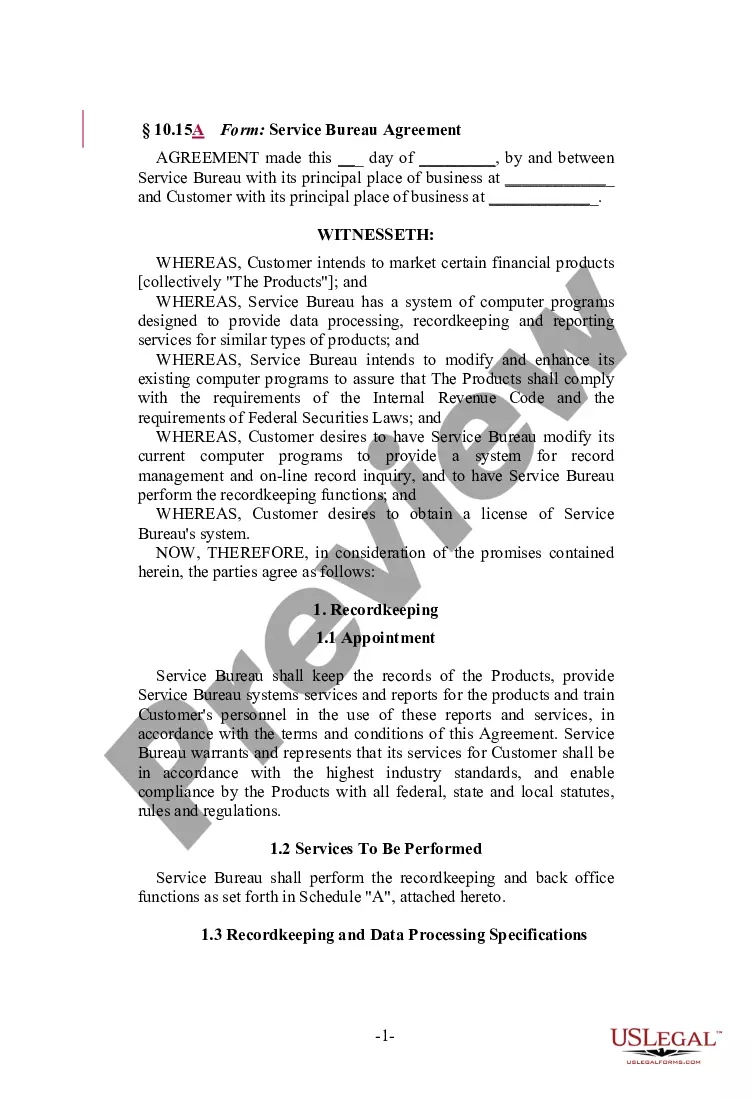
How to draft a contract between two parties: A step-by-step checklist Know your parties. Agree on the terms. Set clear boundaries. Spell out the consequences. Specify how you will resolve disputes. Cover confidentiality. Check the legality of the contract. Open it up to negotiation.
How to write a contract agreement in 7 steps. Determine the type of contract required. Confirm the necessary parties. Choose someone to draft the contract. Write the contract with the proper formatting. Review the written contract with a lawyer. Send the contract agreement for review or revisions.
Writing your own contracts is perfectly possible, and legal. But it's also an incredibly bad idea. There's two reasons for this: Property law is complicated. Because it's such a fundamental part of legislation, it's often lots and lots of different laws layered on top of each other.
First, to become a contract attorney, one must earn a bachelor's degree and graduate with good grades. It is recommended, but not required, to earn a degree in a legally-related field, such as criminal justice or political science. Before applying for law school, you must take the LSAT and get a good score.
Every contract, whether simple or complex, is considered legally enforceable when it incorporates six essential elements: Offer, Acceptance, Awareness, Consideration, Capacity and Legality. It is critical that all six elements are present—just one missing element can make a contract invalid and unenforceable.
And even though contracts are infinitely varied in length, terms, and complexity, all contracts must contain these six essential elements. Offer. Acceptance. Awareness. Consideration. Capacity. Legality.
How To Make A Legal Contract Without A Lawyer Can I Create My Own Contract? The short answer is yes. Write down all the details. Specify performance standards. Include a termination clause. Define key terms. Utilize contract templates. Additional Considerations Include. What App Can I Use To Create A Contract?
