Contract Law With Good Faith In North Carolina
Description
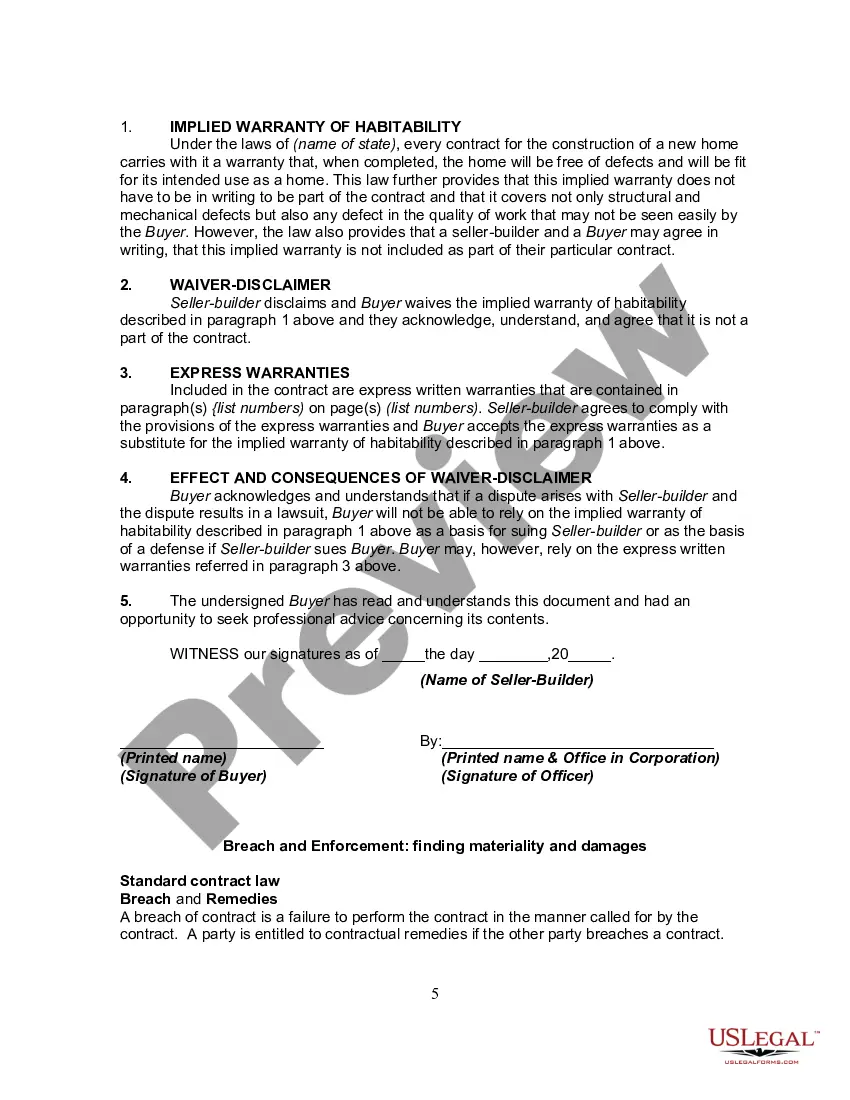
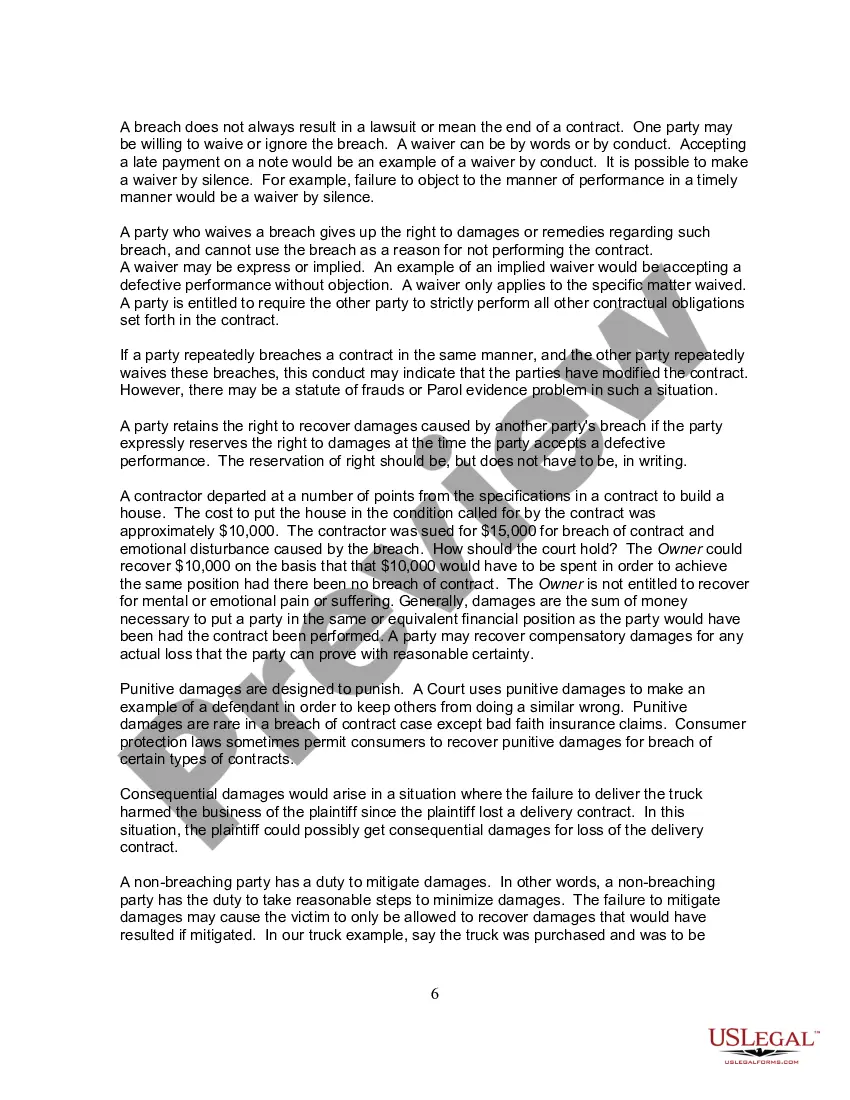
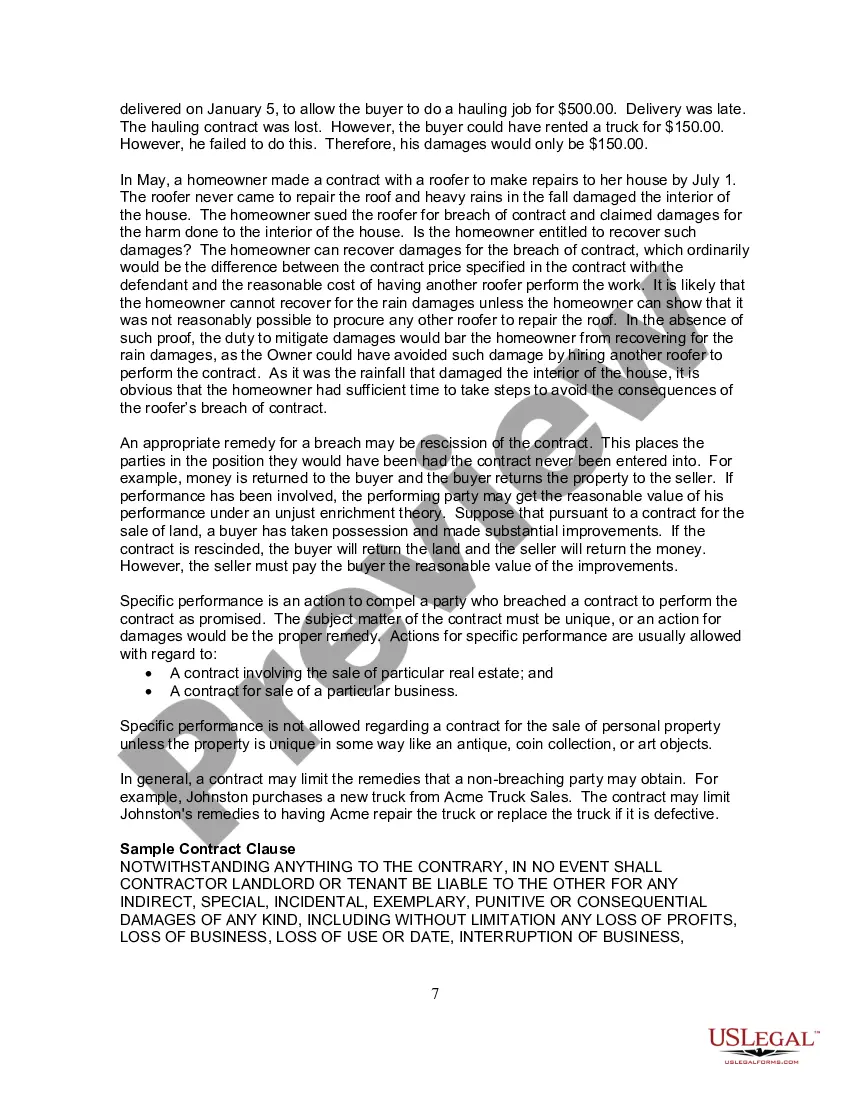
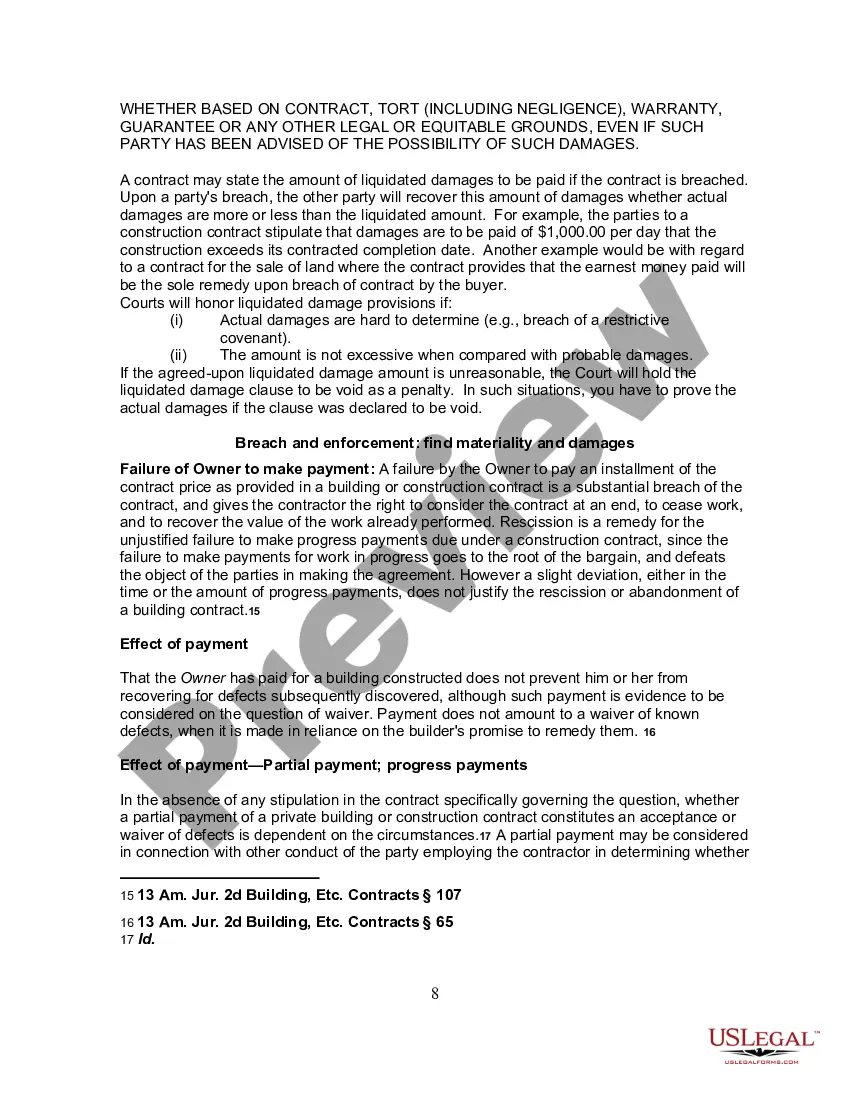

Get your form ready online
Our built-in tools help you complete, sign, share, and store your documents in one place.
Make edits, fill in missing information, and update formatting in US Legal Forms—just like you would in MS Word.
Download a copy, print it, send it by email, or mail it via USPS—whatever works best for your next step.
Sign and collect signatures with our SignNow integration. Send to multiple recipients, set reminders, and more. Go Premium to unlock E-Sign.
If this form requires notarization, complete it online through a secure video call—no need to meet a notary in person or wait for an appointment.
We protect your documents and personal data by following strict security and privacy standards.

Make edits, fill in missing information, and update formatting in US Legal Forms—just like you would in MS Word.

Download a copy, print it, send it by email, or mail it via USPS—whatever works best for your next step.

Sign and collect signatures with our SignNow integration. Send to multiple recipients, set reminders, and more. Go Premium to unlock E-Sign.

If this form requires notarization, complete it online through a secure video call—no need to meet a notary in person or wait for an appointment.

We protect your documents and personal data by following strict security and privacy standards.
Looking for another form?
Form popularity
FAQ
2 Answers 2 ``In good faith'' means both: you believe and intend to be honest, fair, etc. The phrase is usually used when there is a chance that what you are doing will not work out, or in the past tense when it did not work out. Like, ``He sold the car in good faith, believing that it was in good running condition.
An example of this would be an insured policyholder's obligation to make full disclosure of all relevant facts when taking out the insurance in line with their duty of disclosure. An example for an insurer would be to respond to a claim made under a policy in a timely fashion.
“good faith” means “honesty in fact and the observance of reasonable commercial. standards of fair dealing.” 5 The comments to the Restatement explain that good faith. “excludes a variety of types of conduct characterized as involving 'bad faith' because.
Honesty is frequently referred to in legislation as part of the definition of �good faith. � In the Sale of Goods Act for example section 5(2) states that to be �deemed in good faith within the meaning of this Act when it is in fact done honestly�. 18 For a contract to succeed, honesty must be evident.
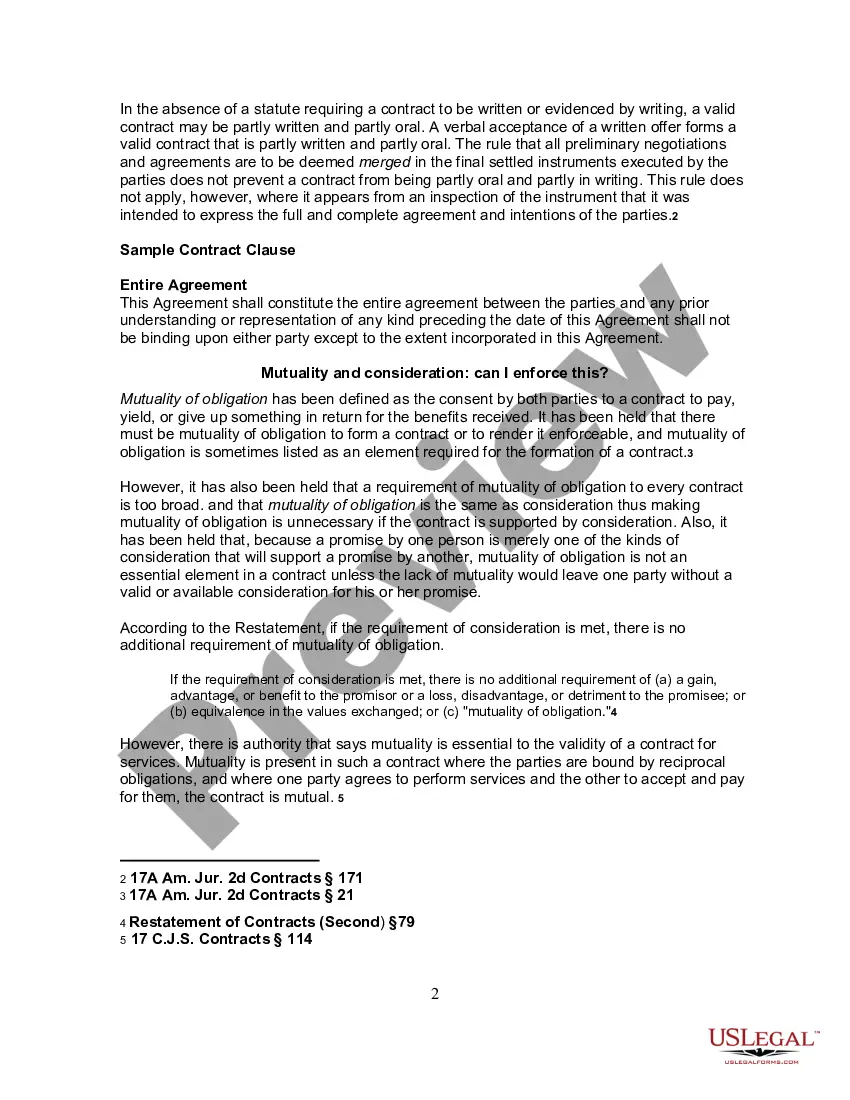
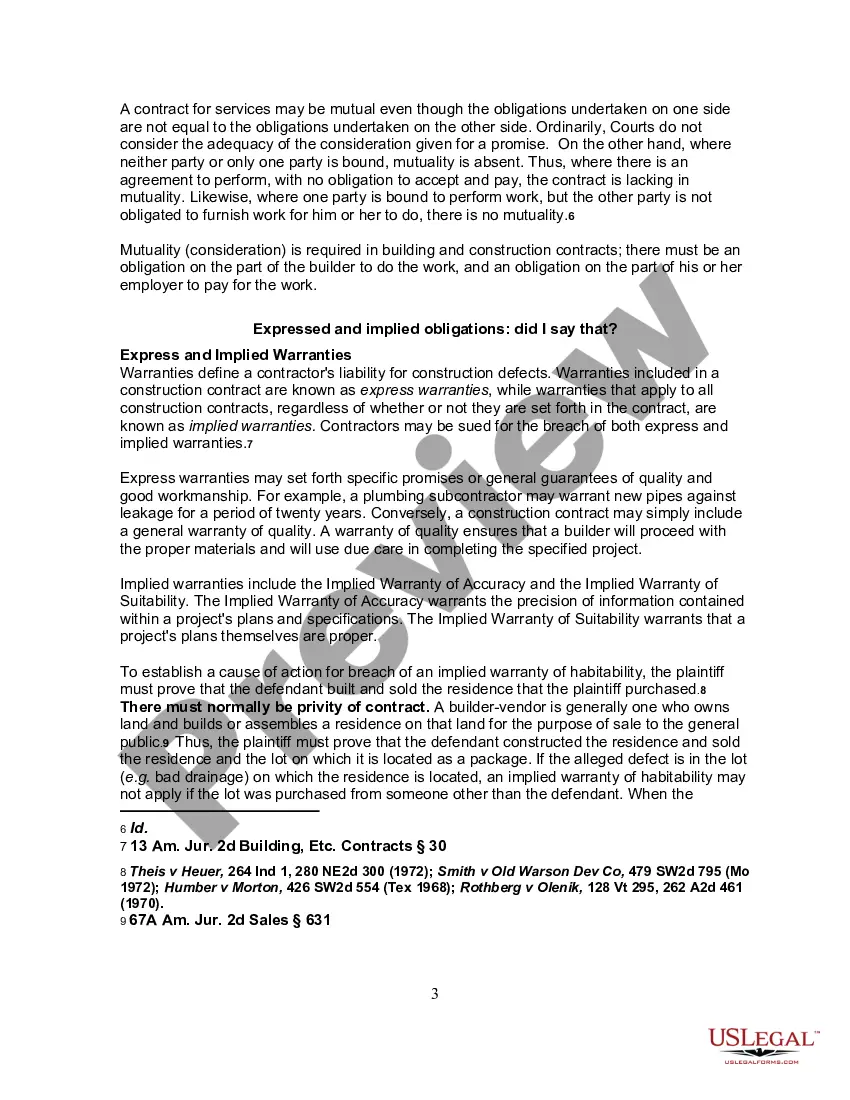
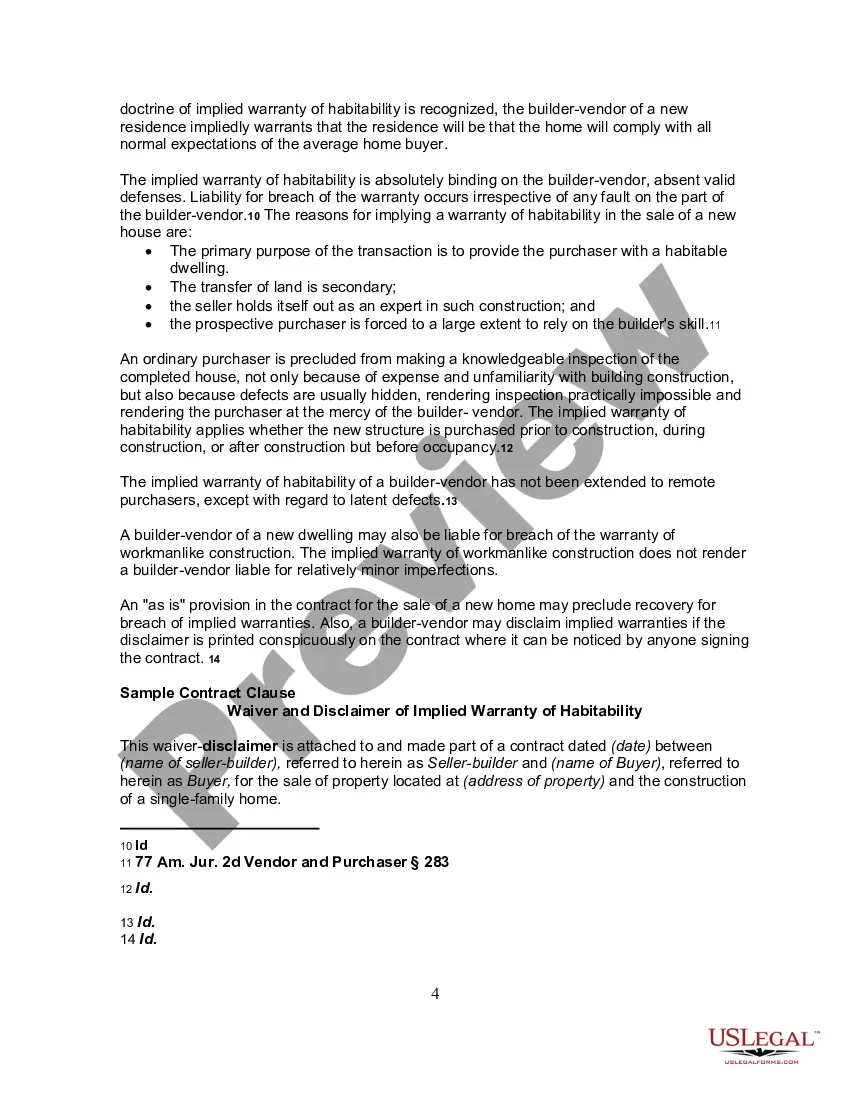
For example, if a famous athlete signs an agreement only allowing one company to use their image on products in exchange for a part of the profits, a court would likely find that the company must attempt to make and sell those products even if the contract did not explicitly say as much.
§ 25-1-304. Obligation of good faith. Every contract or duty within this Chapter imposes an obligation of good faith in its performance and enforcement.
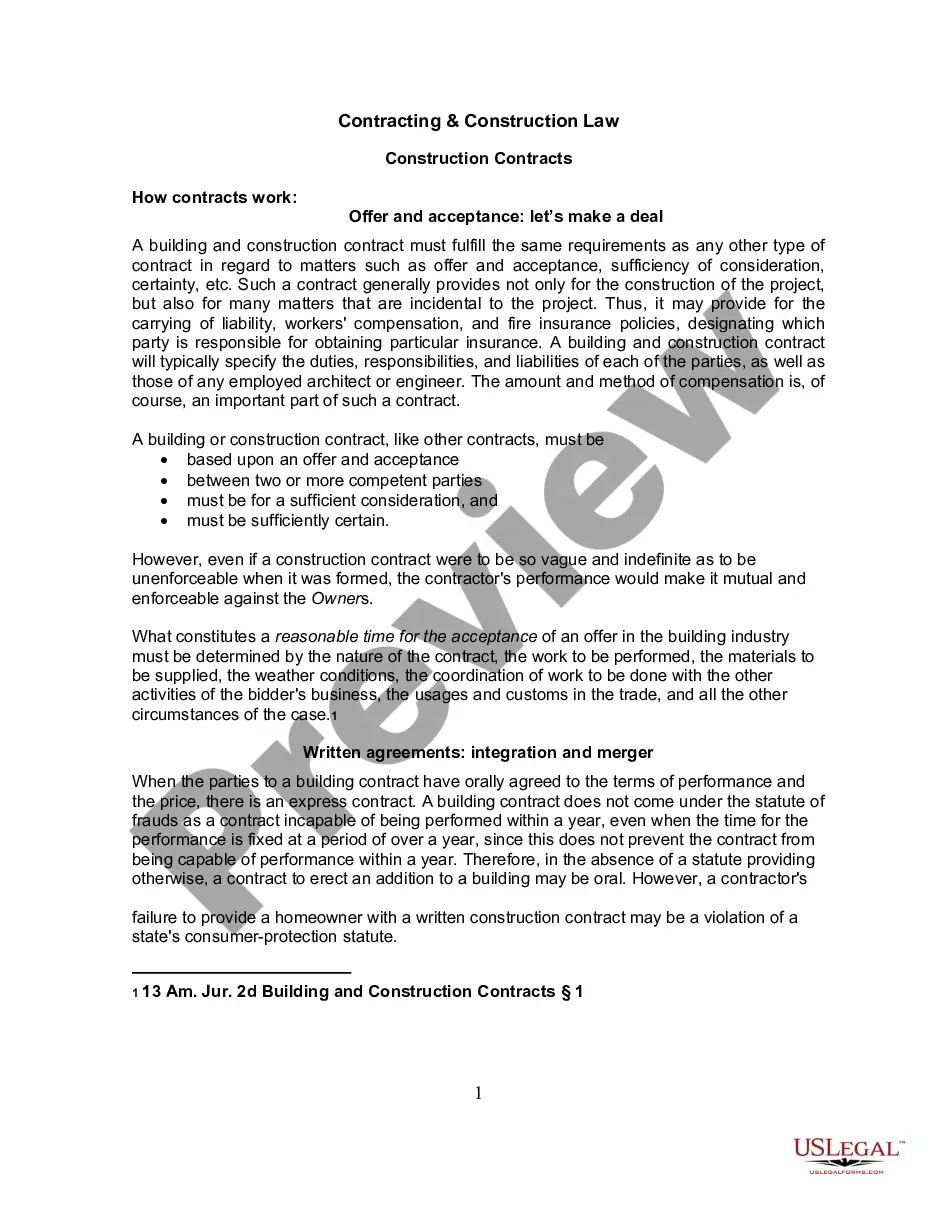
In order to have a valid contract in North Carolina, there must be an offer, an acceptance, along with consideration. The parties must also have the capacity to enter into the contract.
You have no right to question my good faith. Use that self-knowledge to say yes or no to things in good faith. The lie, though told in a house of worship, was a small one and made in good faith, La Rosa said. The union said Sysco had failed to bargain in good faith on a new contract.
The 'good faith' duties promote loyalty or fidelity to the contractual relationship, primarily by requiring honesty and cooperation in contract performance and by precluding the exercise of discretionary contractual powers in a manner that is unreasonable or outside the proper purposes of the power.
Implied covenant of good faith and fair dealing (often simplified to good faith) is a rule used by most courts in the United States that requires every party in a contract to implement the agreement as intended, not using means to undercut the purpose of the transaction.