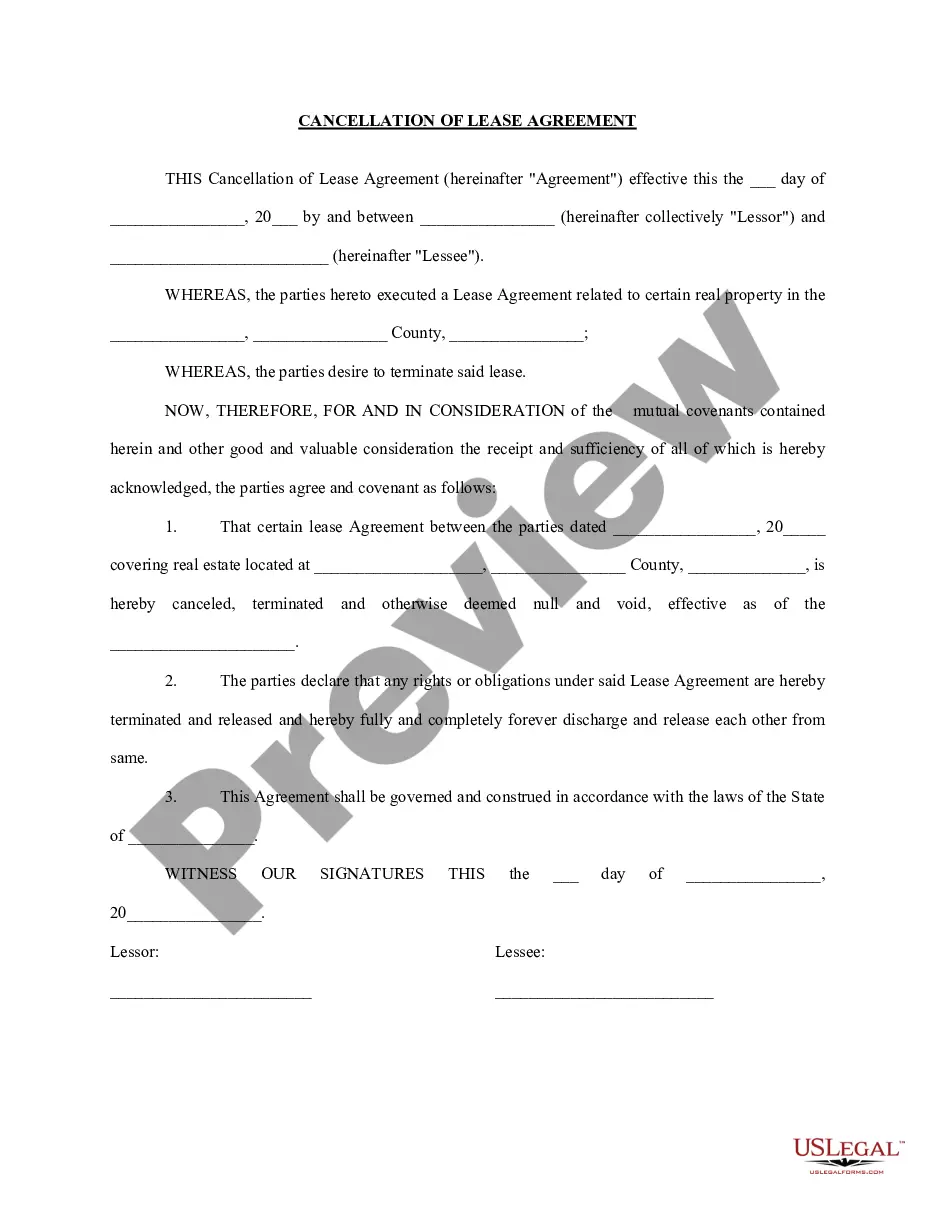
Laws For Construction Industry In Maryland
Description












Get your form ready online
Our built-in tools help you complete, sign, share, and store your documents in one place.
Make edits, fill in missing information, and update formatting in US Legal Forms—just like you would in MS Word.
Download a copy, print it, send it by email, or mail it via USPS—whatever works best for your next step.
Sign and collect signatures with our SignNow integration. Send to multiple recipients, set reminders, and more. Go Premium to unlock E-Sign.
If this form requires notarization, complete it online through a secure video call—no need to meet a notary in person or wait for an appointment.
We protect your documents and personal data by following strict security and privacy standards.

Make edits, fill in missing information, and update formatting in US Legal Forms—just like you would in MS Word.

Download a copy, print it, send it by email, or mail it via USPS—whatever works best for your next step.

Sign and collect signatures with our SignNow integration. Send to multiple recipients, set reminders, and more. Go Premium to unlock E-Sign.

If this form requires notarization, complete it online through a secure video call—no need to meet a notary in person or wait for an appointment.

We protect your documents and personal data by following strict security and privacy standards.
Looking for another form?
Form popularity
FAQ
A home improvement contract must contain the contractor's name, address, telephone number, and MHIC license number. If a salesperson solicited or sold the home improvement, then the contract must also contain the name and license number of each salesperson.
(a) A person cannot act or offer contractor services in Maryland unless they possess a contractor license. This means even if you have intentions to work and advertise, without the license, it's against the law.
§ 8-601. Section 8-601 - Acting as contractor or selling a home improvement without license (a) Except as otherwise provided in this title, a person may not act or offer to act as a contractor in the State unless the person has a contractor license.
The International Building Code (IBC), the International Residential Code (IRC), and the International Energy Conservation Code (IECC), with modifications by the State, constitute the Maryland Building Performance Standards (MBPS).
The Maryland Code is a compilation of the statutes and is generally organized by subject (e.g., Criminal Law Article, Family Law Article). The Supreme Court of Maryland, the highest court, promulgates rules that govern the practice and procedure in state courts.
Building codes are laws that set minimum requirements for how structural systems, plumbing, heating, ventilation and air conditioning (HVAC), natural gas systems and other aspects of residential and commercial buildings should be designed and constructed.
In the recently released 2021 edition of Rating the States, Florida has again taken the top spot for strongest building code with Virginia right behind in second place and South Carolina coming in third. Florida and Virginia have vied for the top two spots in all four editions of Rating the States.
To build means to turn the code into something which the computer can use. Usually a program that can be run by the computer. If we imagine writing the code being somehow equal to making a blueprint. The build process turns it into reality which can then be used. A build can “succeed” or “fail”.
Yes, you need a license to perform general contractor work in Maryland. Unlicensed contracting is illegal in the state. The type of license you need, and how you get it, will change depending on whether you work on residential or commercial buildings.