Aba Construction Law Forum In Illinois
Description

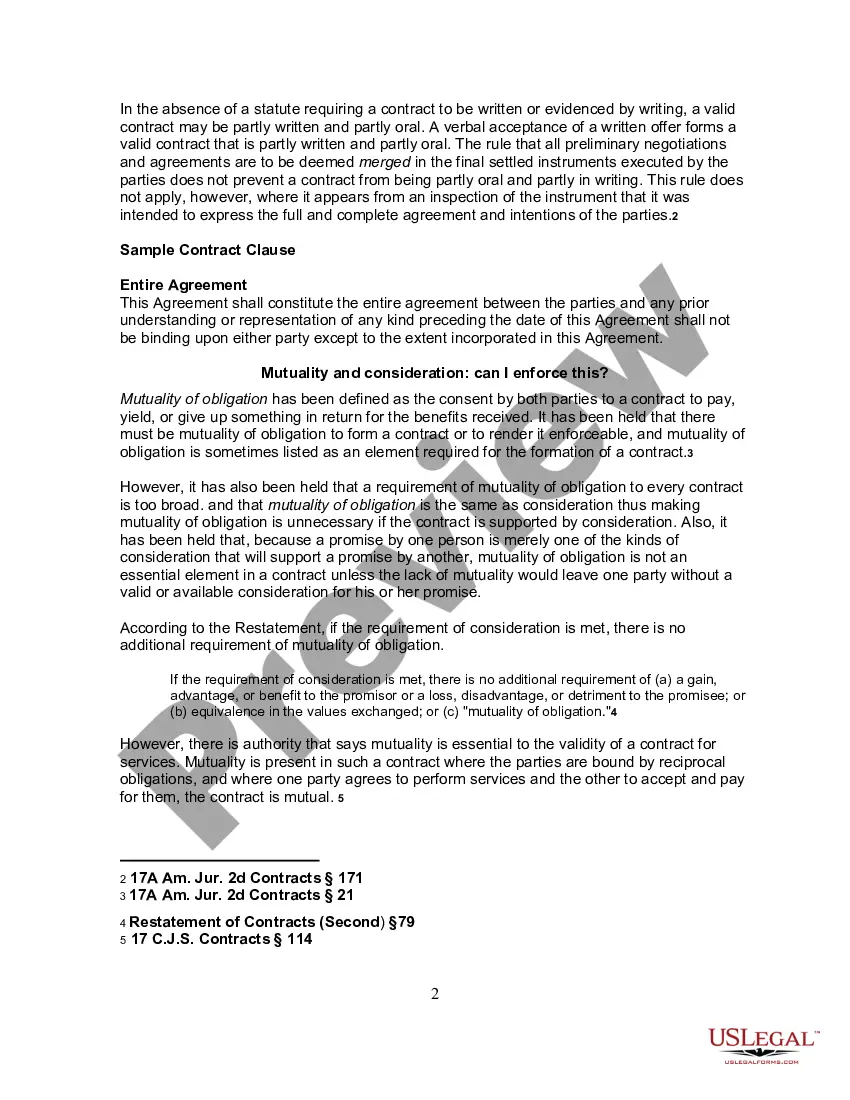
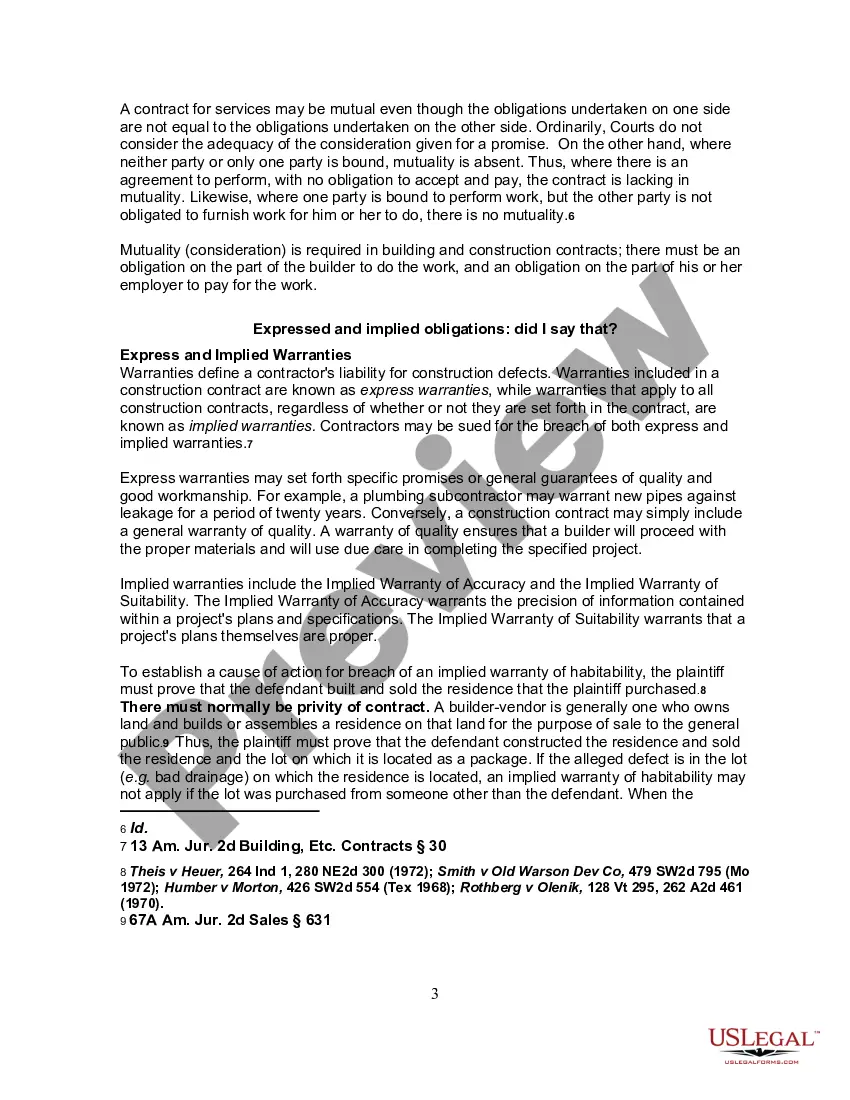
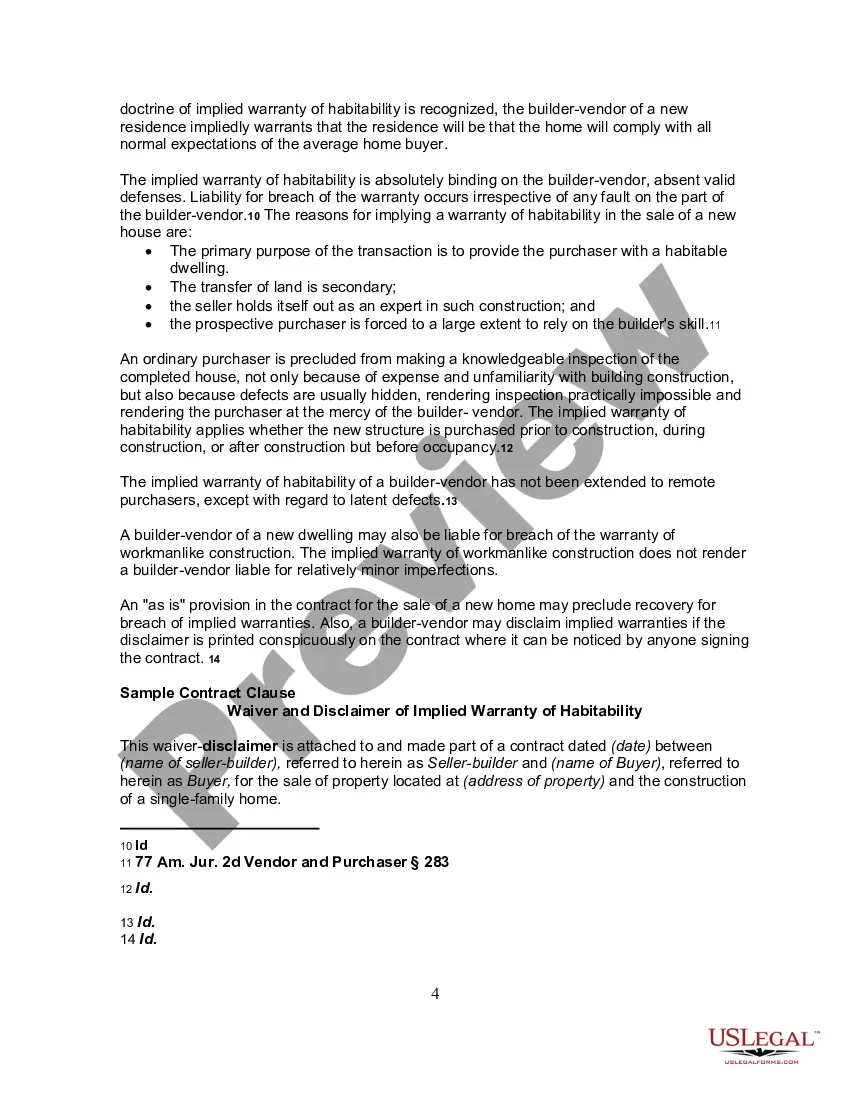
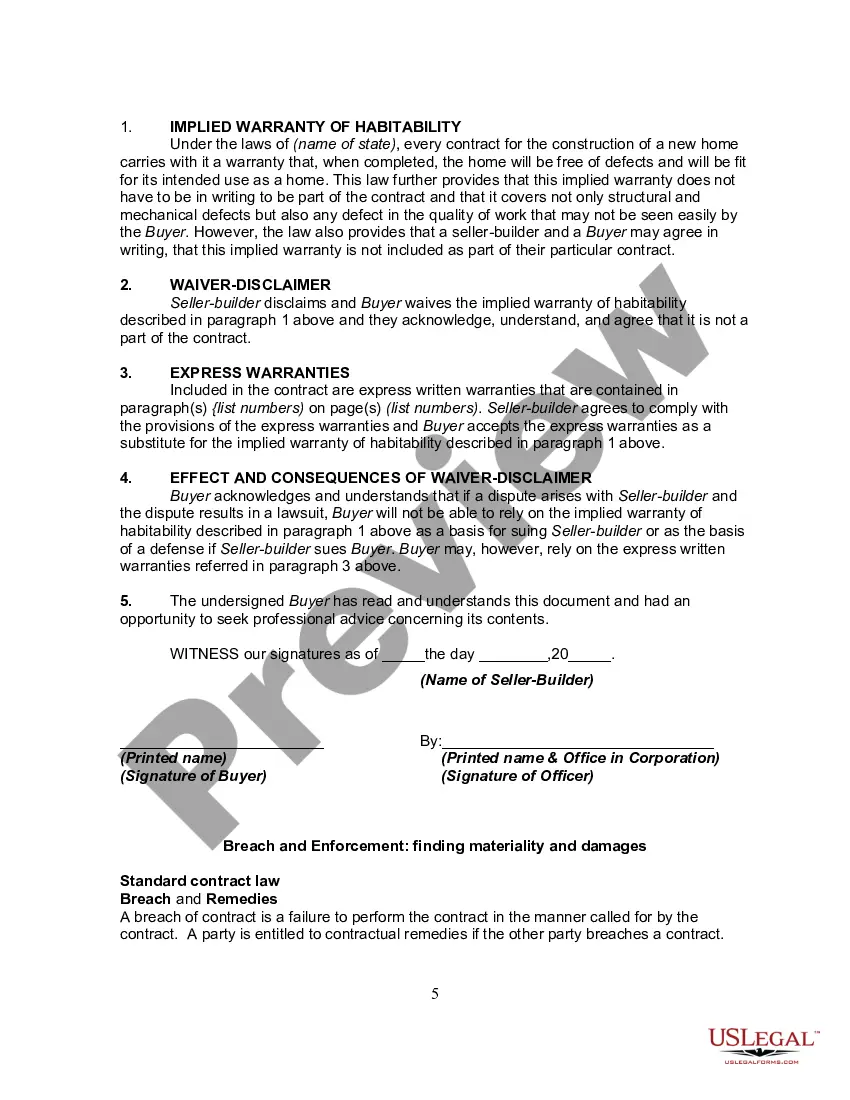

Get your form ready online
Our built-in tools help you complete, sign, share, and store your documents in one place.
Make edits, fill in missing information, and update formatting in US Legal Forms—just like you would in MS Word.
Download a copy, print it, send it by email, or mail it via USPS—whatever works best for your next step.
Sign and collect signatures with our SignNow integration. Send to multiple recipients, set reminders, and more. Go Premium to unlock E-Sign.
If this form requires notarization, complete it online through a secure video call—no need to meet a notary in person or wait for an appointment.
We protect your documents and personal data by following strict security and privacy standards.

Make edits, fill in missing information, and update formatting in US Legal Forms—just like you would in MS Word.

Download a copy, print it, send it by email, or mail it via USPS—whatever works best for your next step.

Sign and collect signatures with our SignNow integration. Send to multiple recipients, set reminders, and more. Go Premium to unlock E-Sign.

If this form requires notarization, complete it online through a secure video call—no need to meet a notary in person or wait for an appointment.

We protect your documents and personal data by following strict security and privacy standards.
Looking for another form?








Form popularity
FAQ
Here are the basic steps towards becoming a lawyer specializing in construction law. Step 1: Complete a Bachelor's Law Degree. Step 2: Take the LSAT. Step 3: Join an ABA-Approved Law School. Step 4: Intern at a Firm. Step 5: Earn Your Juris Doctor Degree. Step 6: Sit and Pass the Bar Exam.
Since its foundation in 1983, the Society of Construction Law has worked to promote for the public benefit education, study and research in the field of construction law and related subjects (including adr, arbitration and adjudication), both in the UK and overseas.
If you want to pursue a career in construction law, you will first have to complete all the educational requirements to become a lawyer in your state, then get licensed as an attorney. Afterward, you can specialize in construction law. Here are the basic steps towards becoming a lawyer specializing in construction law.
The new rules follow the ABA Model Rules by changing the placement of the prohibition on a lawyer's “use” of confidential information “to the disadvantage of the client.”39 This provision essentially matches the old rules' provision.
Construction law covers a wide range of legal issues including contract, negligence, bonds and bonding, guarantees and sureties, liens and other security interests, tendering, construction claims, and related consultancy contracts.
The Society of Construction Law Delay and Disruption Protocol is a comprehensive set of guidelines designed to address issues related to delays and disruptions in construction projects. It provides a methodical approach for locating, handling, and resolving conflicts brought on by project delays and interruptions.
The Law Society is the independent professional body for solicitors in England and Wales. We support solicitors to deliver a high standard of service to their clients. Most of us will need expert legal help at some time in our lives. Solicitors are the experts when it comes to the law and how it affects you.
Do all states follow the ABA Model Rules? While most states have adopted some version of the ABA Model Rules, each state may modify or interpret them slightly differently. Therefore, it's essential to check your state's specific ethical rules.
