Construction Law And Dispute Resolution In Harris
Description












Get your form ready online
Our built-in tools help you complete, sign, share, and store your documents in one place.
Make edits, fill in missing information, and update formatting in US Legal Forms—just like you would in MS Word.
Download a copy, print it, send it by email, or mail it via USPS—whatever works best for your next step.
Sign and collect signatures with our SignNow integration. Send to multiple recipients, set reminders, and more. Go Premium to unlock E-Sign.
If this form requires notarization, complete it online through a secure video call—no need to meet a notary in person or wait for an appointment.
We protect your documents and personal data by following strict security and privacy standards.

Make edits, fill in missing information, and update formatting in US Legal Forms—just like you would in MS Word.

Download a copy, print it, send it by email, or mail it via USPS—whatever works best for your next step.

Sign and collect signatures with our SignNow integration. Send to multiple recipients, set reminders, and more. Go Premium to unlock E-Sign.

If this form requires notarization, complete it online through a secure video call—no need to meet a notary in person or wait for an appointment.

We protect your documents and personal data by following strict security and privacy standards.
Looking for another form?






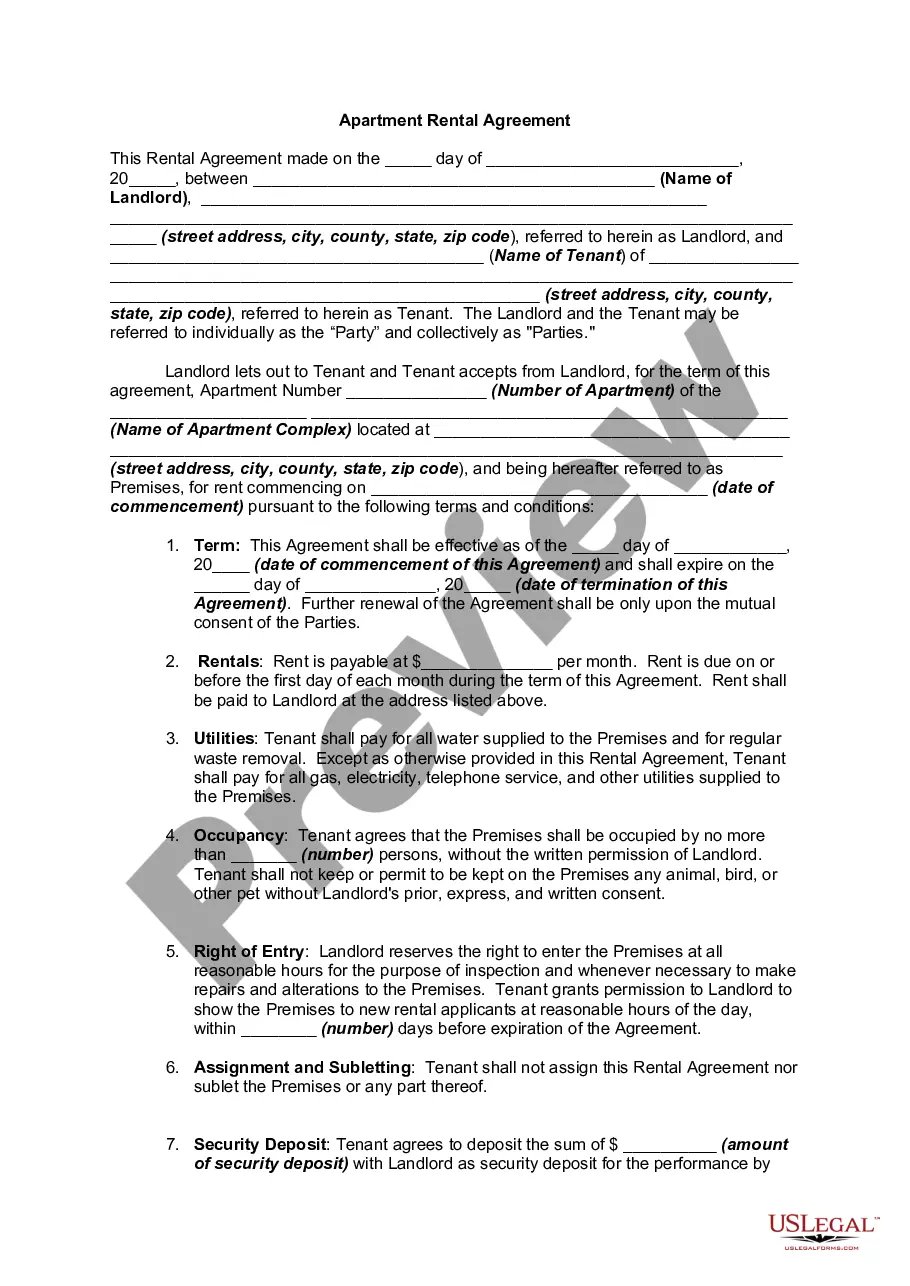
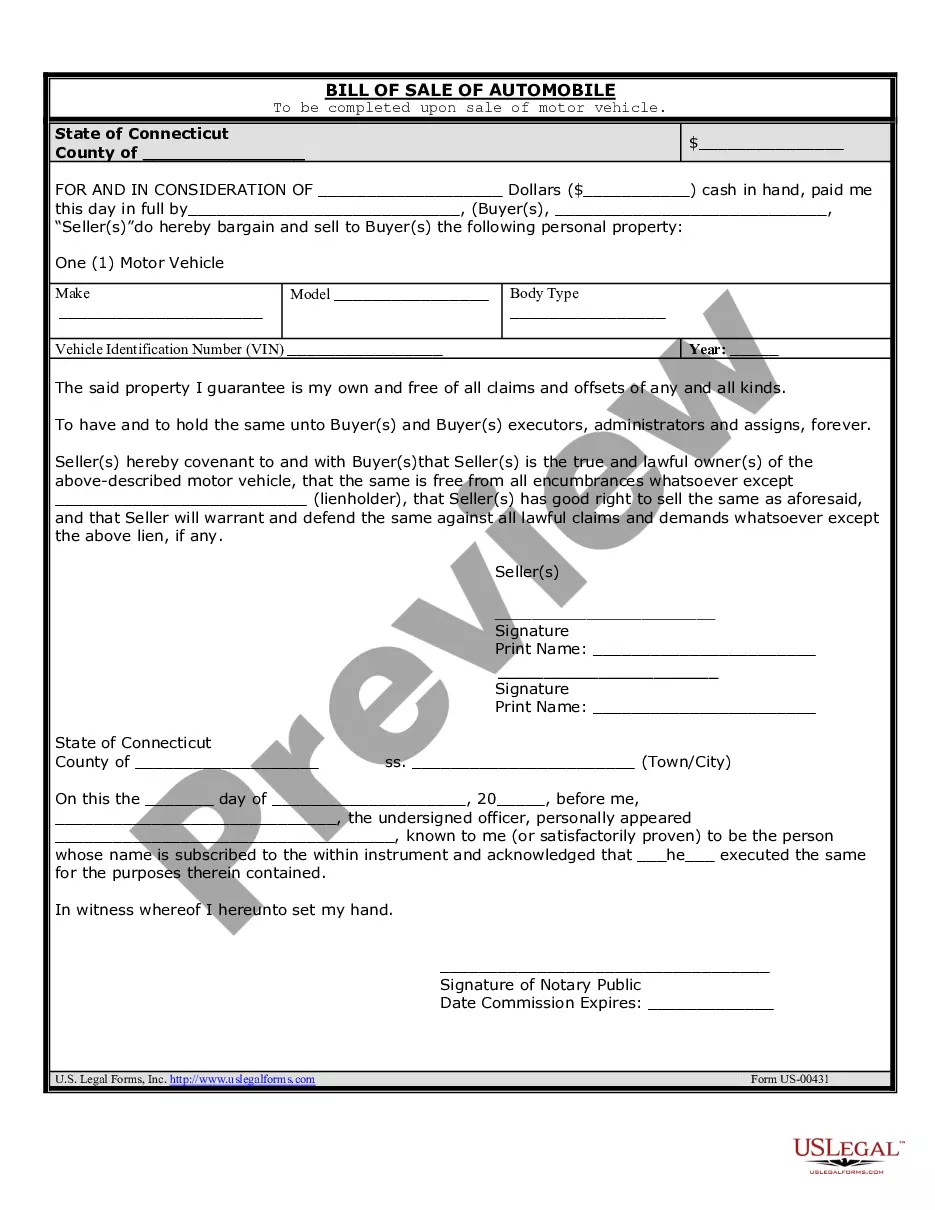


Form popularity
FAQ
1.1.1 Dispute Board (DB) is a concurrent mechanism for resolution of disputes. before recourse to arbitration or litigation. The DB is constituted at the very. start of a construction project and consists of independent and impartial professionals.
The area of construction law deals with matters such as infrastructure, housing, planning permissions and construction and engineering. The key to understanding construction law is that it has two main categories: non-contentious and contentious. Below is a brief overview of construction law and its branches.
What is a construction dispute? Construction disputes are disagreements between the parties involved in a contract. They most commonly arise in an owner and a contractor relationship, but can also emerge from suppliers, subcontractors, real estate developers, and architects.
1.1.1 Dispute Board (DB) is a concurrent mechanism for resolution of disputes. before recourse to arbitration or litigation. The DB is constituted at the very. start of a construction project and consists of independent and impartial professionals.
Since its foundation in 1983, the Society of Construction Law has worked to promote for the public benefit education, study and research in the field of construction law and related subjects (including adr, arbitration and adjudication), both in the UK and overseas.
DRBs are independent panels, made up of neutral third-party individuals selected by both the owner and the contractor, who review disputes from construction projects and offer recommendations on how to proceed. This process has helped avoid claims resulting from lingering disputes on many occasions.
A Dispute Resolution Board (DRB) is a form of alternative dispute resolution typically used on larger construction projects such as highway and transportation projects. A DRB is proactively appointed on a project before any disputes arise.
'Construction dispute resolution' is an umbrella term for the process used to deal with and settle a conflict that arises out of a project involving stakeholders to a construction contract – for example, property owners, suppliers, contractors and subcontractors.
Any dispute, controversy or claim arising out of or in connection with this contract, or the breach, termination or invalidity thereof, shall be finally settled by arbitration in ance with the Arbitration Rules of the SCC Arbitration Institute.
What are the Three Basic Types of Dispute Resolution? What to Know About Mediation, Arbitration, and Litigation Mediation. The goal of mediation is for a neutral third party to help disputants come to a consensus on their own. Arbitration. Litigation.
