Contract Law Forbearance
Description












Get your form ready online
Our built-in tools help you complete, sign, share, and store your documents in one place.
Make edits, fill in missing information, and update formatting in US Legal Forms—just like you would in MS Word.
Download a copy, print it, send it by email, or mail it via USPS—whatever works best for your next step.
Sign and collect signatures with our SignNow integration. Send to multiple recipients, set reminders, and more. Go Premium to unlock E-Sign.
If this form requires notarization, complete it online through a secure video call—no need to meet a notary in person or wait for an appointment.
We protect your documents and personal data by following strict security and privacy standards.

Make edits, fill in missing information, and update formatting in US Legal Forms—just like you would in MS Word.

Download a copy, print it, send it by email, or mail it via USPS—whatever works best for your next step.

Sign and collect signatures with our SignNow integration. Send to multiple recipients, set reminders, and more. Go Premium to unlock E-Sign.

If this form requires notarization, complete it online through a secure video call—no need to meet a notary in person or wait for an appointment.

We protect your documents and personal data by following strict security and privacy standards.
Looking for another form?


How to fill out Contracting And Construction Law Handbook?
Securing a reliable source to obtain the latest and suitable legal templates constitutes a significant portion of navigating bureaucracy.
Identifying the correct legal documents requires precision and meticulousness, which underscores the importance of sourcing samples of Contract Law Forbearance exclusively from trustworthy providers, such as US Legal Forms. An incorrect template could squander your time and delay your current situation.
Once you have the form saved on your device, you can edit it with the editor, or print it and fill it out by hand. Eliminate the stress associated with your legal documentation. Explore the extensive US Legal Forms catalog to discover legal templates, verify their relevance to your situation, and download them instantly.
- Utilize the catalog navigation or search feature to find your template.
- Access the form’s details to verify if it meets the standards of your state and county.
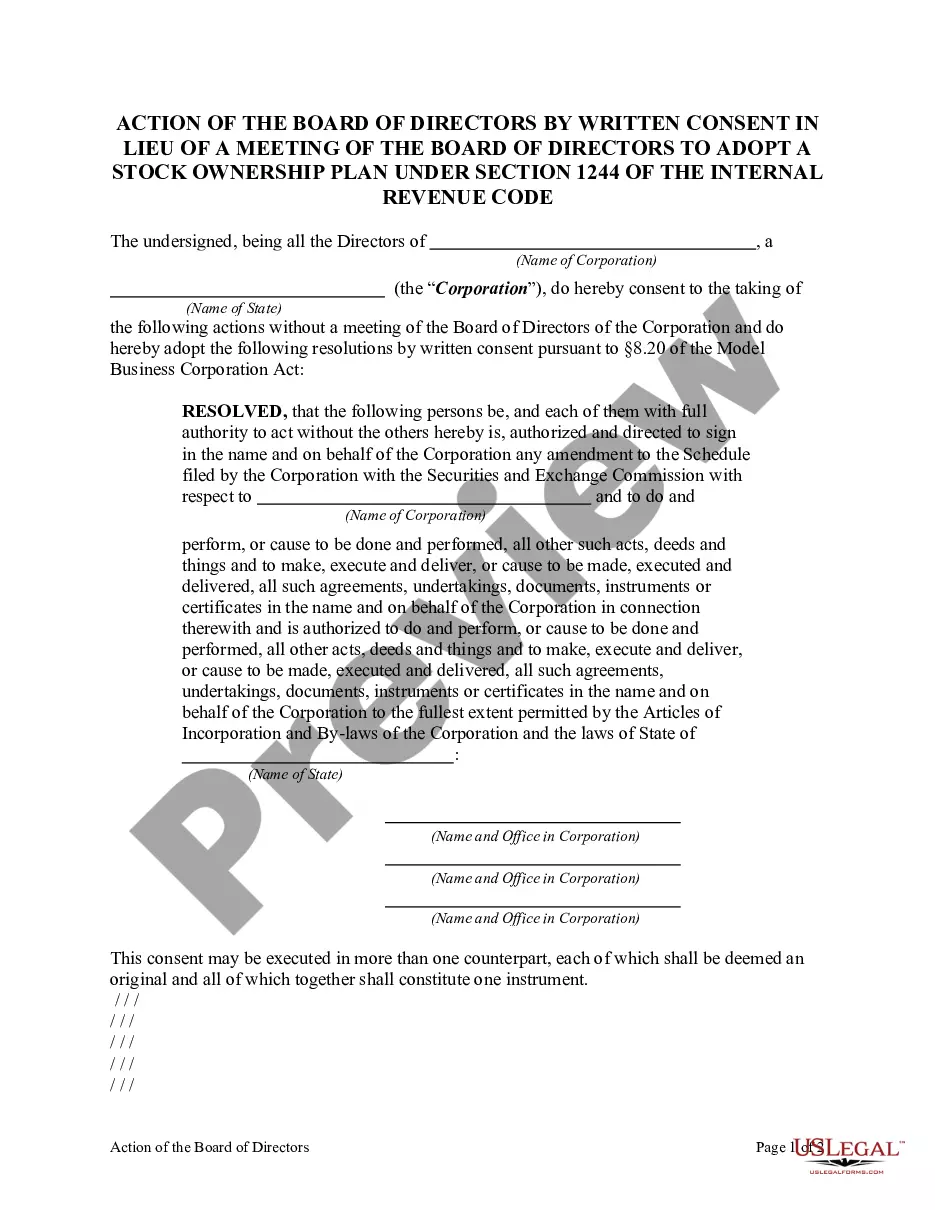
- Preview the form if available to ensure the template matches your expectations.
- Continue your search to locate the appropriate template if the Contract Law Forbearance does not satisfy your requirements.
- If you are certain about the form’s applicability, download it.
- As a registered user, click Log in to verify and access your selected templates in My documents.
- If you have not registered yet, click Buy now to acquire the form.
- Select the pricing plan that best fits your needs.
- Proceed to register to complete your purchase.
- Finalize your transaction by selecting a payment option (credit card or PayPal).
- Choose the desired document format for downloading Contract Law Forbearance.
Form popularity
FAQ
To change your registered agent in Tennessee, you must complete and file a Change of Registered Agent form with the Tennessee Department of State, Division of Business Services. The Tennessee Change of Registered Agent must be submitted by mail or person and costs $20 to file.
Tennessee LLCs have to file a completed Articles of Amendment to Articles of Organization (LLC) with the Division of Business Services of the Department of State. You can download the form from their website. You can also draft your articles if you do not want to use the form. Filing comes with a $20 fee.
You must file formation papers with the state if you are beginning any business that is not a sole proprietorship or general partnership. You'll need to name your business, choose a type of business entity, register the business online, get tax ID numbers and apply for necessary licenses or permits.
Yes, you can be your own Registered Agent in Tennessee as long as you meet the state requirements. (Unfortunately, most Registered Agent Services and LLC filing companies hide this information.) We explain the pros and cons below so you can make your own decision.
Tennessee state law requires that all business entities appoint and maintain a registered agent within the state. Tennessee Registered Agent LLC is a legitimate commercial registered agent. Our registered office is located in Knoxville.
Yes, a Tennessee Registered Agent is necessary. State law requires someone to be available to accept Service of Process for your LLC. You must list a Registered Agent on your LLC paperwork. And then you must continuously maintain (keep) one on file with the state as long as your LLC exists.
Tennessee requires an initial LLC filing fee of $300. This fee grants you the privilege of officially establishing your limited liability company. Additionally, Tennessee mandates an annual report filing, accompanied by a $50 fee.
Board-registered agents must qualify on the basis of appraisal training (120 classroom hours) and experience (four years) and register with the State Board of Equalization. In addition, prospective agents must pass the Tennessee Certified Assessor exam given by the state Division of Property Assessments.