Construction Law In
Description












Get your form ready online
Our built-in tools help you complete, sign, share, and store your documents in one place.
Make edits, fill in missing information, and update formatting in US Legal Forms—just like you would in MS Word.
Download a copy, print it, send it by email, or mail it via USPS—whatever works best for your next step.
Sign and collect signatures with our SignNow integration. Send to multiple recipients, set reminders, and more. Go Premium to unlock E-Sign.
If this form requires notarization, complete it online through a secure video call—no need to meet a notary in person or wait for an appointment.
We protect your documents and personal data by following strict security and privacy standards.

Make edits, fill in missing information, and update formatting in US Legal Forms—just like you would in MS Word.

Download a copy, print it, send it by email, or mail it via USPS—whatever works best for your next step.

Sign and collect signatures with our SignNow integration. Send to multiple recipients, set reminders, and more. Go Premium to unlock E-Sign.

If this form requires notarization, complete it online through a secure video call—no need to meet a notary in person or wait for an appointment.

We protect your documents and personal data by following strict security and privacy standards.
Looking for another form?
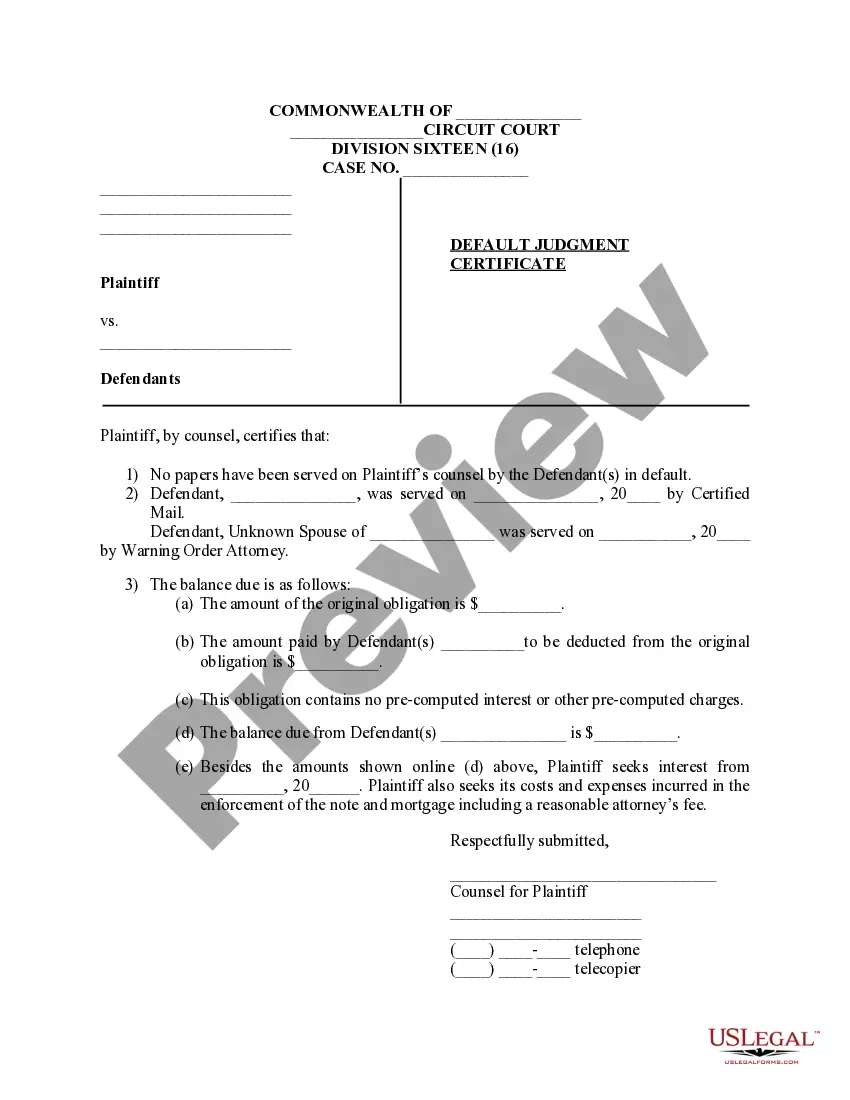

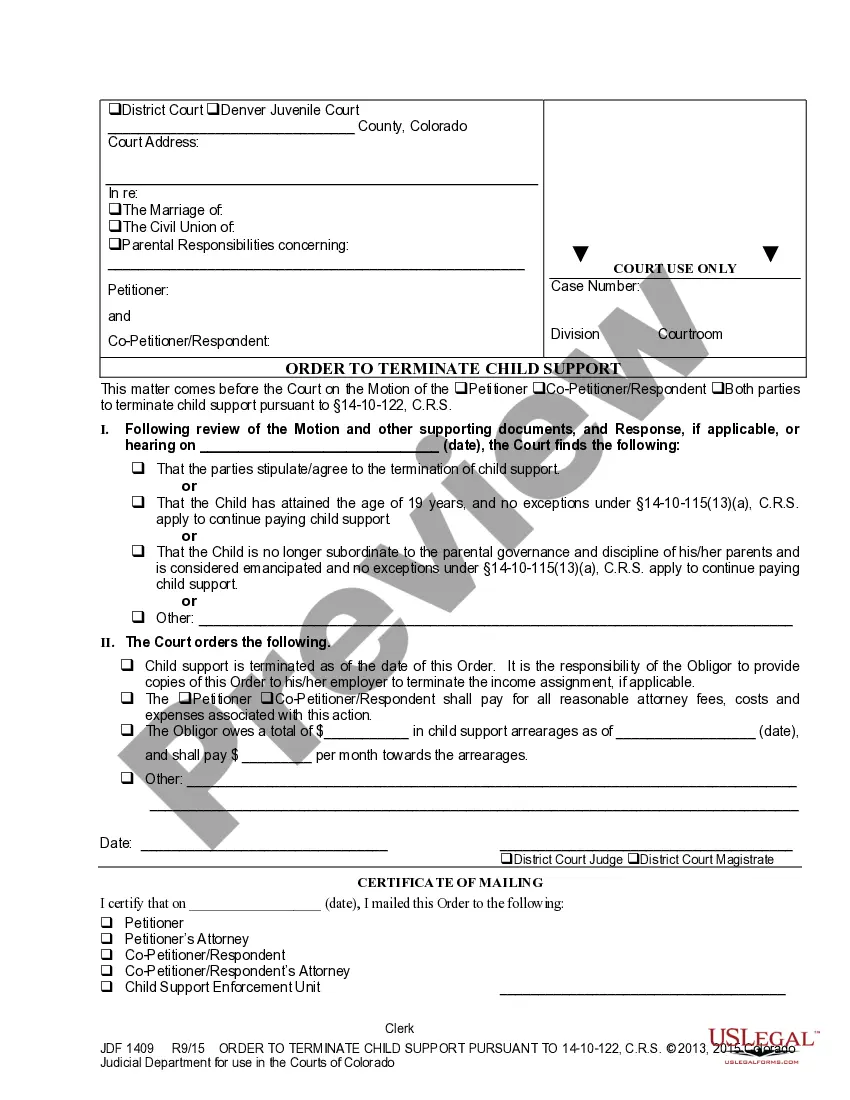
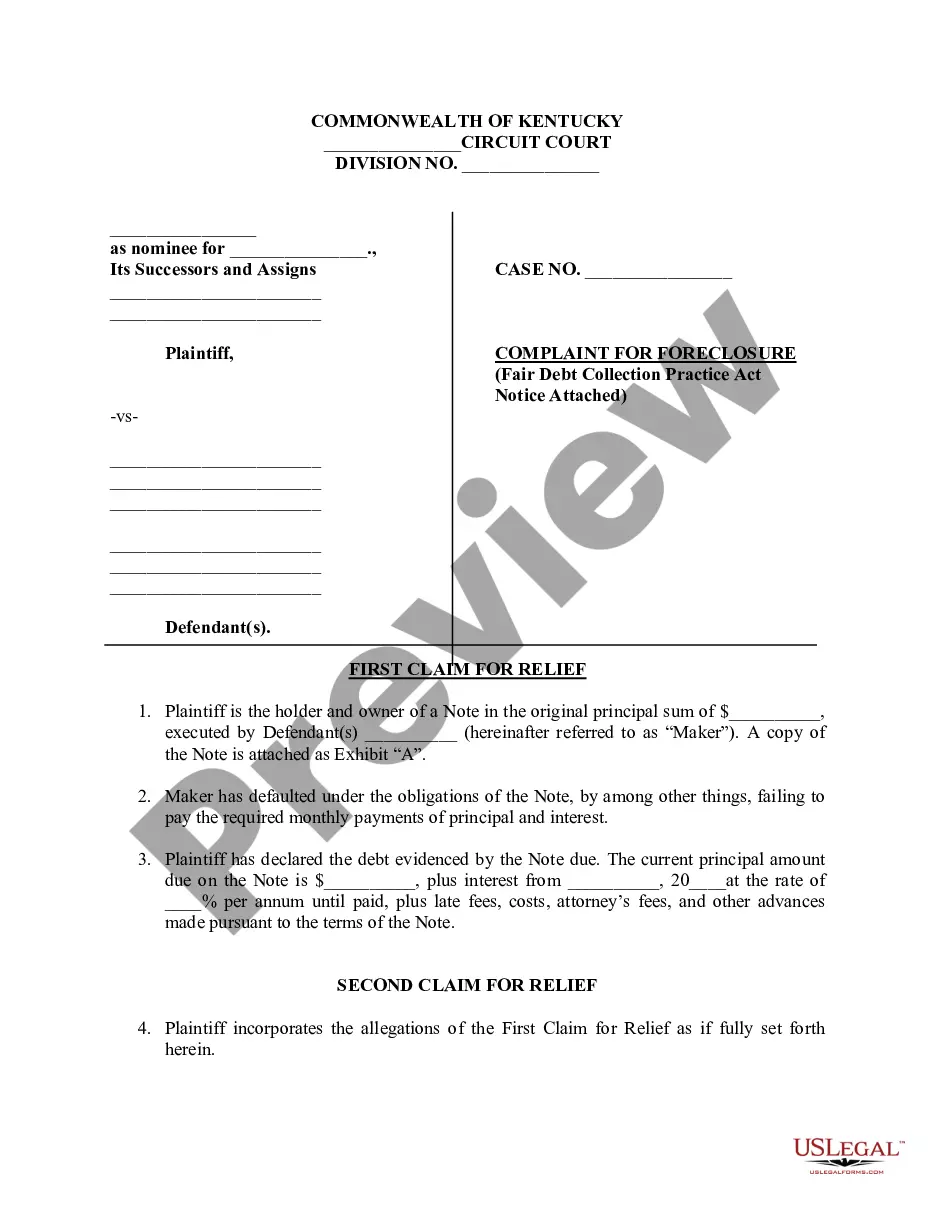
How to fill out Contracting And Construction Law Handbook?
Securing a reliable destination to obtain the latest and pertinent legal templates constitutes a significant portion of navigating bureaucratic processes.
Identifying the accurate legal documents necessitates precision and meticulousness, which underscores the importance of sourcing Construction Law In exclusively from trusted providers, such as US Legal Forms.
Eliminate the hassle associated with your legal documentation. Browse the comprehensive US Legal Forms catalog to discover legal templates, assess their applicability to your situation, and download them instantly.
- Employ the library navigation or search function to locate your template.
- Examine the form’s description to confirm it aligns with the requirements of your state and locality.
- Review the form preview, if available, to ensure the form is indeed what you are looking for.
- If the Construction Law In does not satisfy your criteria, continue searching for the appropriate template.
- Once you are certain about the form’s applicability, download it.
- As a registered member, click Log in to verify and retrieve your chosen forms in My documents.
- If you do not possess an account yet, click Buy now to acquire the form.
- Select the pricing option that meets your needs.
- Proceed to registration to complete your acquisition.
- Finalize your order by selecting a payment method (credit card or PayPal).
- Choose the document format for downloading Construction Law In.
- Once you have the form on your device, you can alter it using the editor or print it and fill it out by hand.
Form popularity
FAQ
When drafting construction contracts, avoid vague language that can lead to misunderstandings. Ensure that you do not overlook important details such as timelines and payment schedules. Additionally, steer clear of incorporating unclear termination clauses, as these can create disputes. Knowing construction law in your area allows you to identify common pitfalls and create a clearer contract.
To fill out a contractor agreement effectively, start by clearly identifying the parties involved, including their contact information. Next, outline the scope of work, specifying the tasks to be completed and any deadlines. Be sure to include payment terms, including amounts and schedules. Familiarizing yourself with construction law in your area can help ensure that you meet any specific legal requirements.
Construction law in the United States encompasses various regulations that govern construction contracts, worker safety, and property rights. These laws ensure that all parties involved in a construction project adhere to legal obligations regarding quality and safety standards. Understanding these laws is crucial for both builders and property owners to avoid disputes and liabilities. For comprehensive legal support and resources, explore what USLegalForms offers.
In Georgia, a builder typically faces liability for their work for up to four years after the completion of the project. This timeframe is defined under the statute of limitations for construction law in Georgia. It is important to document any defects or issues promptly, as waiting too long can hinder your ability to seek remedies. To navigate these complexities effectively, consider consulting USLegalForms for tailored legal resources.
A construction lawyer specializes in legal issues related to the construction industry, such as contract disputes, construction defects, and regulatory compliance. Their role is to advocate for your interests, negotiate contracts, and provide guidance on legal obligations. Utilizing construction law in your planning ensures that you remain protected throughout your project.
To file a complaint against a contractor in Maryland, you can contact the Maryland Home Improvement Commission or the relevant licensing board. Provide details about your experience and any supporting documents you may have. Engaging with professionals knowledgeable in construction law in Maryland can smooth the process and ensure your concerns are addressed effectively.
The rule of construction law refers to the legal principles and regulations governing the construction industry, including contracts, safety, and liability issues. These rules are designed to protect all parties involved, from contractors to homeowners. Familiarity with construction law in your area can help you make informed decisions and mitigate risks.
In Maryland, you typically have 120 days after the last work was completed or materials were supplied to file a mechanic's lien. It is crucial to adhere to this timeline, as failing to file in time can result in losing your right to secure payment. Therefore, understanding the specific aspects of construction law in Maryland can greatly benefit contractors and suppliers alike.
Construction law in covers a range of issues from contracts to liability and project completion. It governs the relationships between parties involved in construction projects, including developers, builders, and contractors. Understanding the applicable laws and regulations is crucial for compliance and preventing disputes. When conflicts arise, construction law in provides frameworks for resolution, ensuring fair outcomes for all parties.
To enter construction law in, you typically start by earning a law degree and passing the bar exam. It’s beneficial to gain experience through internships or clerkships focused on construction projects or litigation. Networking with professionals in the field and possibly joining relevant organizations will also help you get noticed. Furthermore, you might consider accessing platforms like USLegalForms to streamline the process of understanding contracts and legal documentation.