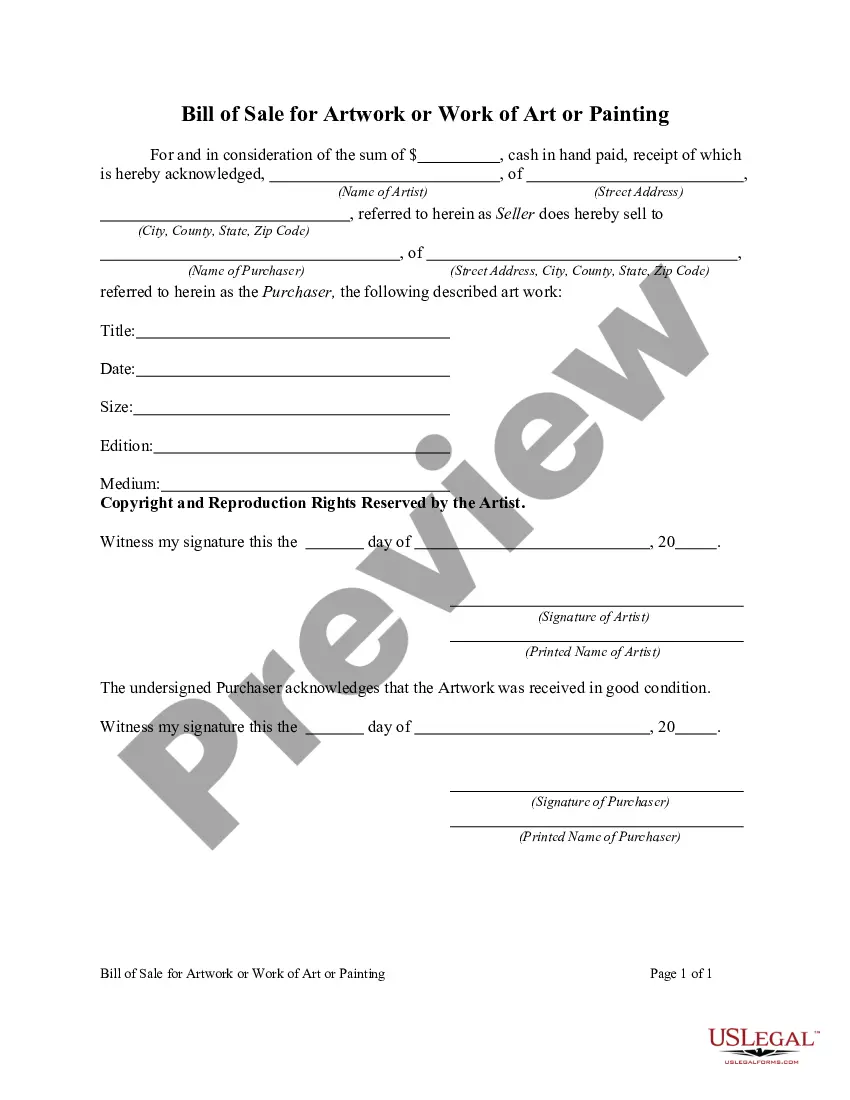
Law Us Legal Force In Utah
Description


Get your form ready online
Our built-in tools help you complete, sign, share, and store your documents in one place.
Make edits, fill in missing information, and update formatting in US Legal Forms—just like you would in MS Word.
Download a copy, print it, send it by email, or mail it via USPS—whatever works best for your next step.
Sign and collect signatures with our SignNow integration. Send to multiple recipients, set reminders, and more. Go Premium to unlock E-Sign.
If this form requires notarization, complete it online through a secure video call—no need to meet a notary in person or wait for an appointment.
We protect your documents and personal data by following strict security and privacy standards.

Make edits, fill in missing information, and update formatting in US Legal Forms—just like you would in MS Word.

Download a copy, print it, send it by email, or mail it via USPS—whatever works best for your next step.

Sign and collect signatures with our SignNow integration. Send to multiple recipients, set reminders, and more. Go Premium to unlock E-Sign.

If this form requires notarization, complete it online through a secure video call—no need to meet a notary in person or wait for an appointment.

We protect your documents and personal data by following strict security and privacy standards.
Looking for another form?









Form popularity
FAQ
Utah Code Annotated §78A-2-301;Filing Fees - Effective July 1, 2023 Type of Filing, Action, or ServiceSubsectionFee Greater than $2,000 and less than $7,500 Subsection (1)(c)(ii) $100.00 $7,500 up to $15,000 Subsection (1)(c)(iii) $185.00 Small Claims Counter Affidavit $2,000 or less Subsection (1)(e)(i) $50.0058 more rows
A notice to show cause is a formal document issued to one party in a dispute. It sets out details of an alleged offence or misconduct. In doing so, the receiving party will have the chance to explain themselves or otherwise face some further consequences.
Legal Examples: A Show Cause Order is issued to a party who has allegedly violated a court order. The individual must appear in court to explain why they should not be held in contempt for failing to comply with the original order, such as not paying court-ordered child support.
Appellate courts often issue orders to show cause to lower courts requesting that the lower court explain why the appellant should not be granted the relief requested by the writ or appeal. An order to show cause is always an interim order (because it is never the first nor the final action in a legal action).
Rebuttal evidence After the defendant has called all of their witnesses and offered all of their exhibits, the plaintiff may call witnesses to rebut, or challenge, any new information introduced by the defendant's witnesses. The judge may allow surrebuttal (a rebuttal to the rebuttal) by the defendant.
Civil Processing requires a notice to the defendant to appear before the court or subjecting the defendant or his property to the jurisdiction of the court. It encompasses all types of writs, orders, summonses, and notices. The Sheriff has the general duty to serve all processes delivered to him.
An order to show cause (O.S.C.), is a court order or the demand of a judge requiring a party to justify or explain why the court should or should not grant a motion or a relief. For example, if a party requests a restraining order from a judge, the judge may need more information.
In Utah, we have an assault statute that does not explicitly mention any reduction in penalties or defenses for mutual combat. Consent might be a defense to assault charges, but this does not always apply.
UTAH AGGRAVATED ASSAULT ATTORNEYS Depending on the outcome of the trial, sentencing can carry hefty fines and up to 15 years in prison. This is why it is so important that you have the necessary criminal defense representation to keep your freedom and to ensure your individual rights are protected.
Presumptions and defenses. Possession of property recently stolen, when no satisfactory explanation of such possession is made, shall be deemed prima facie evidence that the person in possession stole the property.