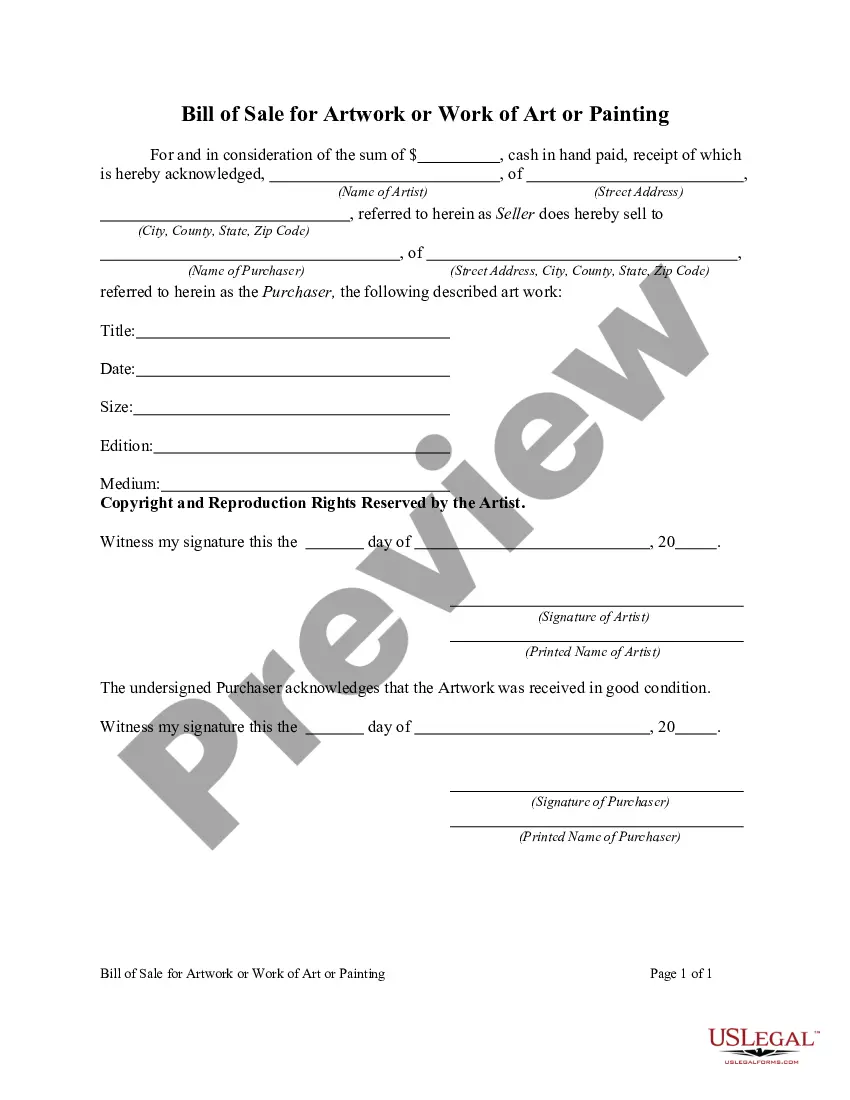
Law Us Legal Withdrawal In Pima
Description



Get your form ready online
Our built-in tools help you complete, sign, share, and store your documents in one place.
Make edits, fill in missing information, and update formatting in US Legal Forms—just like you would in MS Word.
Download a copy, print it, send it by email, or mail it via USPS—whatever works best for your next step.
Sign and collect signatures with our SignNow integration. Send to multiple recipients, set reminders, and more. Go Premium to unlock E-Sign.
If this form requires notarization, complete it online through a secure video call—no need to meet a notary in person or wait for an appointment.
We protect your documents and personal data by following strict security and privacy standards.

Make edits, fill in missing information, and update formatting in US Legal Forms—just like you would in MS Word.

Download a copy, print it, send it by email, or mail it via USPS—whatever works best for your next step.

Sign and collect signatures with our SignNow integration. Send to multiple recipients, set reminders, and more. Go Premium to unlock E-Sign.

If this form requires notarization, complete it online through a secure video call—no need to meet a notary in person or wait for an appointment.

We protect your documents and personal data by following strict security and privacy standards.
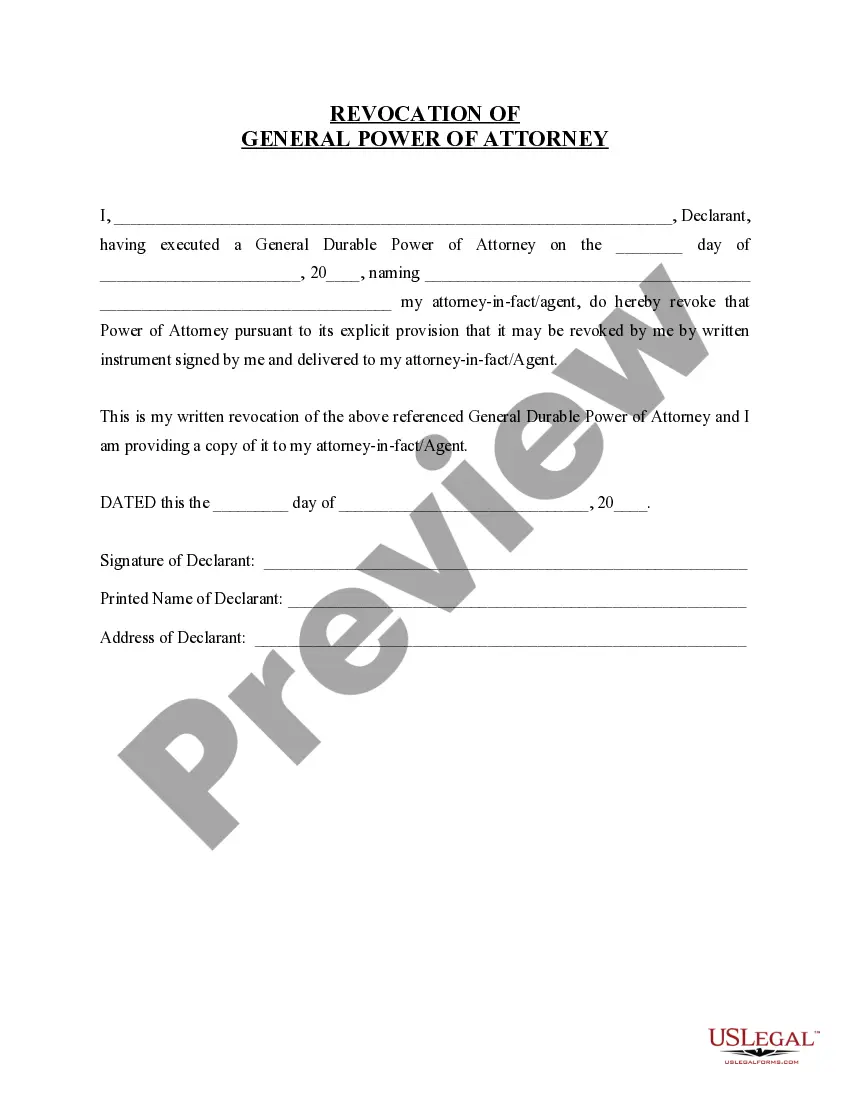
Looking for another form?


Form popularity
FAQ
Parties may obtain discovery regarding any nonprivileged matter that is relevant to any party's claim or defense and proportional to the needs of the case, considering the importance of the issues at stake, the amount in controversy, the parties' relative access to relevant information, the parties' resources, the ...
Rule 68 - Offer of Judgment (a) Time for Making; Procedure. Any party may serve on any other party an offer to allow judgment to be entered in the action. (1)Trial. An offer of judgment must be made more than 30 days before trial begins.
Rule 77 - Trials (a)Setting Cases for Trial. Unless the court has already set a trial on its own or at a resolution management conference or a scheduling conference, any party may file a motion to set a case for trial.
Rule 68 is intended to encourage settlement and avoid protracted litigation. By accepting the defendant's offer, plaintiff agrees to end the litigation on all claims encompassed by his complaint against the offering defendant.
If a petition for dissolution, legal separation, or annulment is pending, a party may file a petition for conciliation services with the clerk. The requesting party must provide a copy of the petition to the conciliation court. (4) Further Proceedings.
Rule 48 - Emergency Temporary Orders (a)Filing and Timing. A party may request temporary orders without notice by filing a verified motion, along with a proposed form of orders and a notice of hearing on the motion. A motion may be filed at the same time or after filing an initial pre-decree or post-decree petition.
Rule 70 - Notice of Settlement (a)Notice of Settlement. An attorney of record and any self-represented party have a duty to give the assigned judge or commissioner prompt notice of the settlement of any matter set for trial, hearing, or argument.
(D) Substitution of Counsel. Counsel may be substituted upon written notice to the court and all parties bearing the written consent of the represented party. The notice must affirm that the substituting attorney is advised of pending court dates and has made suitable arrangements to be prepared.
Send us a letter saying you want to withdraw your legal representative and intend to continue your case without any legal representation. If you do so, USCIS will communicate only with you. The USCIS office where your case is pending. Find the USCIS office address on the most recent notice you received from USCIS.
LBR 2091-1(a) provides a procedure for an attorney to withdraw as counsel, and that withdrawal results in the client no longer being represented by an attorney. The former client is now considered to be a "Self-Represented Party".