Law Books For Beginners Philippines In Wake
Description
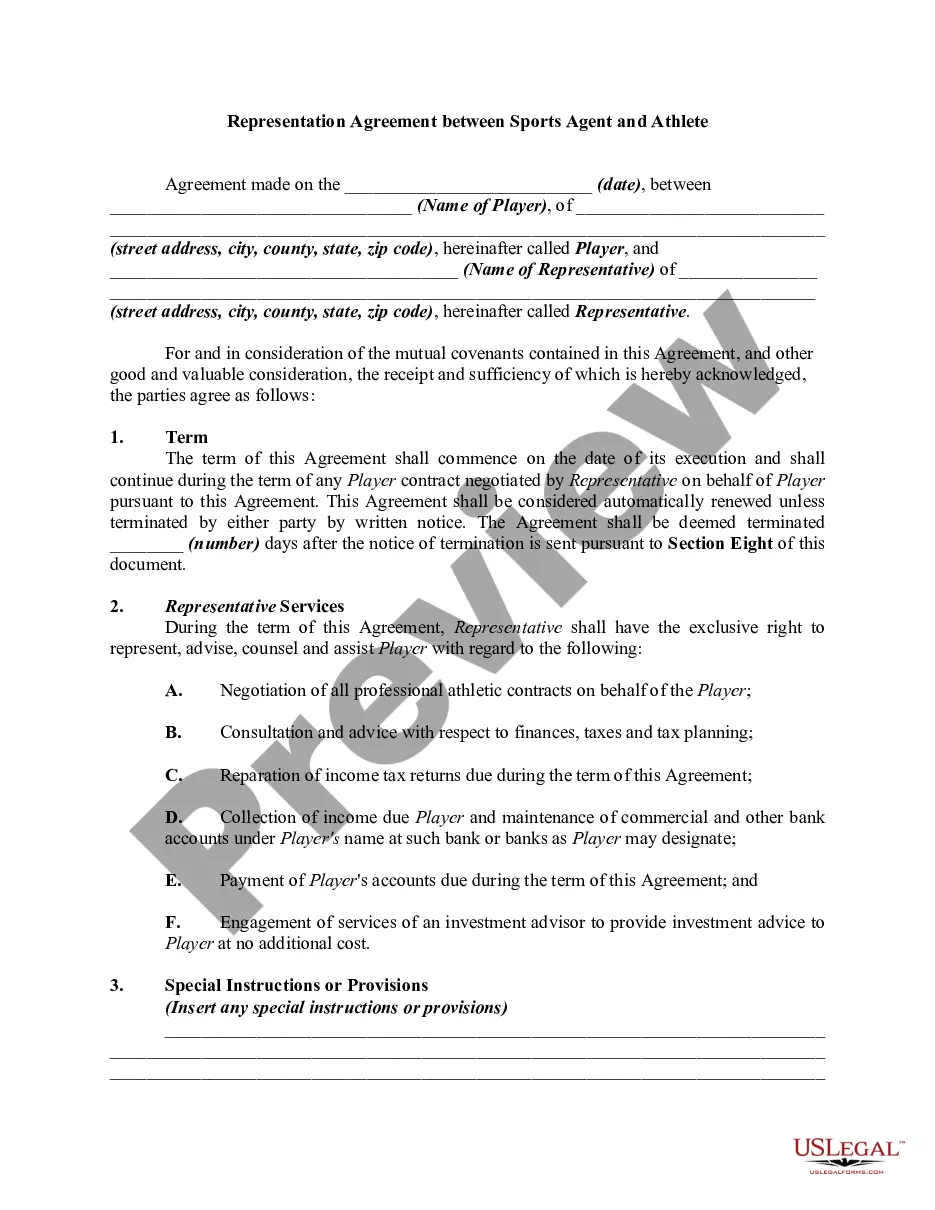
Get your form ready online
Our built-in tools help you complete, sign, share, and store your documents in one place.
Make edits, fill in missing information, and update formatting in US Legal Forms—just like you would in MS Word.
Download a copy, print it, send it by email, or mail it via USPS—whatever works best for your next step.
Sign and collect signatures with our SignNow integration. Send to multiple recipients, set reminders, and more. Go Premium to unlock E-Sign.
If this form requires notarization, complete it online through a secure video call—no need to meet a notary in person or wait for an appointment.
We protect your documents and personal data by following strict security and privacy standards.

Make edits, fill in missing information, and update formatting in US Legal Forms—just like you would in MS Word.

Download a copy, print it, send it by email, or mail it via USPS—whatever works best for your next step.

Sign and collect signatures with our SignNow integration. Send to multiple recipients, set reminders, and more. Go Premium to unlock E-Sign.

If this form requires notarization, complete it online through a secure video call—no need to meet a notary in person or wait for an appointment.

We protect your documents and personal data by following strict security and privacy standards.
Looking for another form?





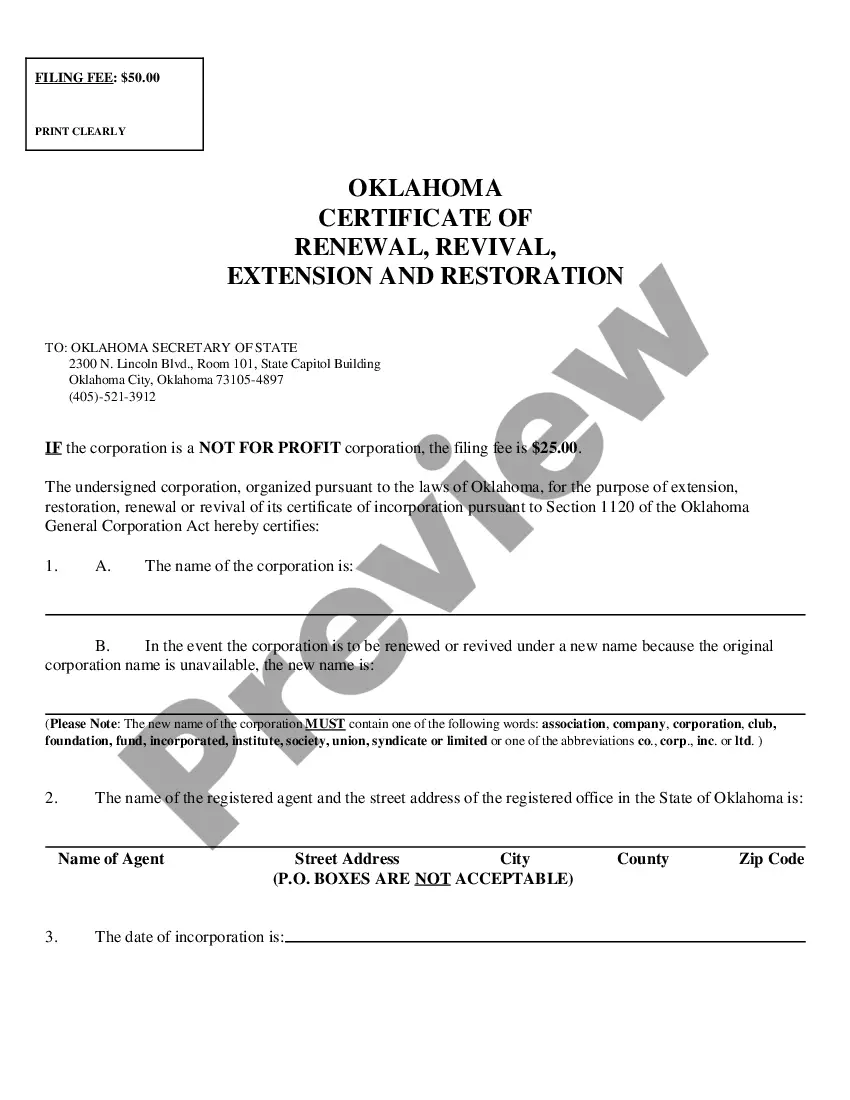
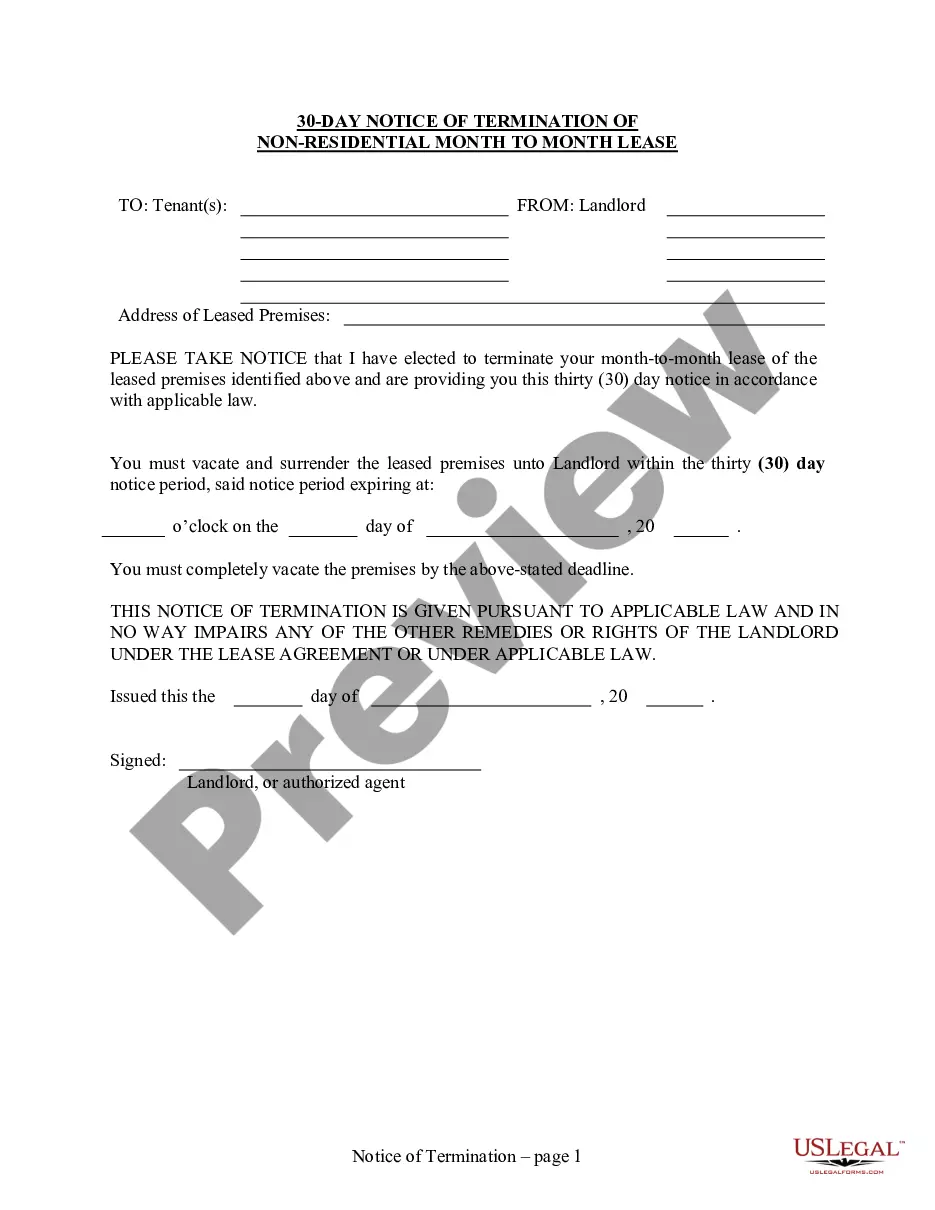



Form popularity
FAQ
Is law school hard in the Philippines? YES, law school in the Philippines is known for its rigorous and demanding nature. Many classes are taught in the infamous Socratic method where law students are randomly called to go “on deck” or recite answers until the law professor is satisfied.
The most practical starting textbook is ``laying down the law'' (lexis) - gives an overview of the basics of law, how statutes and the common law work etc.
Step-by-Step Process Get a Bachelor's Degree. Pass the Law School Entrance Exam. Finish Law School. Law Internship. Pass the Bar Exam and take your Oath.
YES, law school in the Philippines is known for its rigorous and demanding nature. Many classes are taught in the infamous Socratic method where law students are randomly called to go “on deck” or recite answers until the law professor is satisfied.
Passing the Philippine Bar Examination Considered as one of the most rigorous licensure tests in the country, the Bar Exam evaluates candidates on different aspects of Philippine law — including civil law, criminal law, labor law, and legal ethics, among others. In 2023, the passing rate for the Bar Exams was 36.77%.
The 12 Hardest Law Schools to Get Into Yale University. With an acceptance rate of just 6.9%, it's no wonder that Yale is the hardest law school to get into. Stanford University. Harvard University. University of Pennsylvania. University of Virginia. Columbia University. University of Chicago. University of Southern California.
List of ``frequently-prescribed'' books for 1L: Consti- Cruz, Bernas, Nachura; PFR- Tolentino, Paras, Sta. Maria, Legarda, Rabuya, Sempio-Diy; Criminal Law- Reyes; Legal Profession- Agpalo (note: a lot of professors also suggest or prescribe several books for different topics)
The Juris Doctor Program Curriculum The Law School offers a four-year course leading to the degree of Juris Doctor (J.D.). It pioneered the offering of the J.D. program in the Philippines, first conferring the degree to its graduates in 1991.