Law Handbook With Ai In Texas
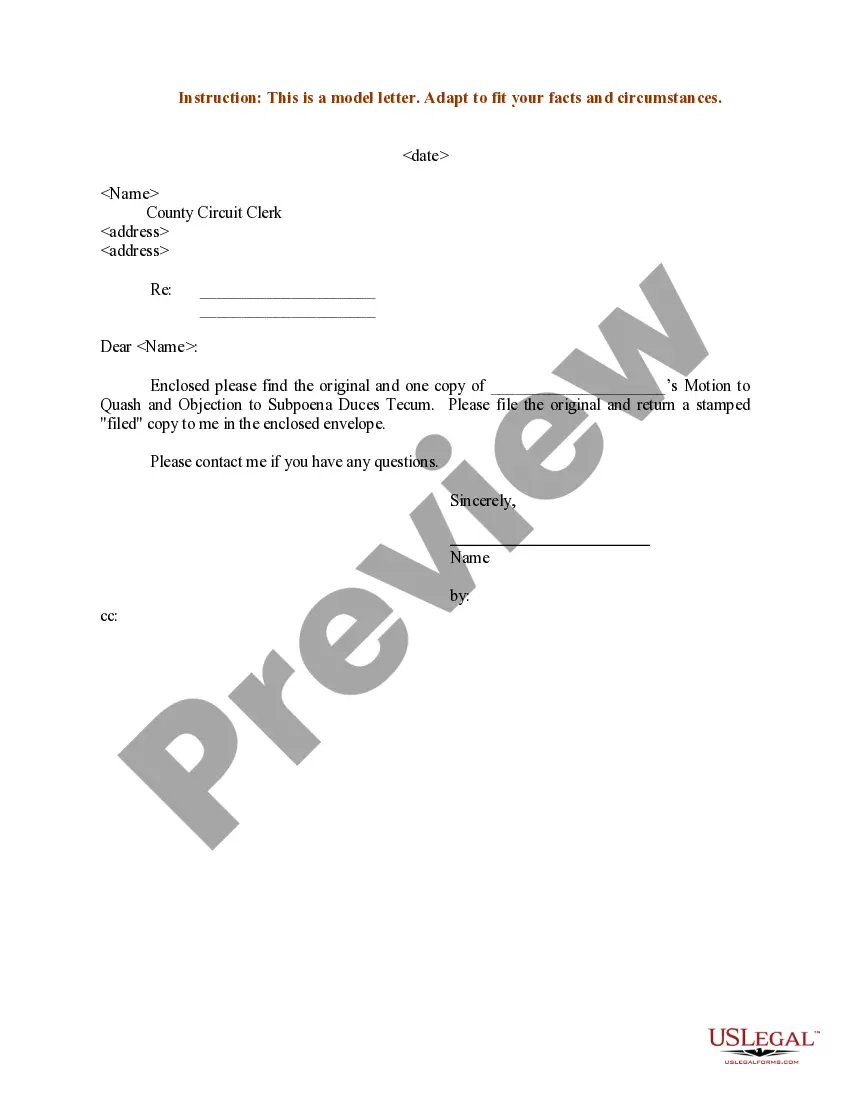
Description
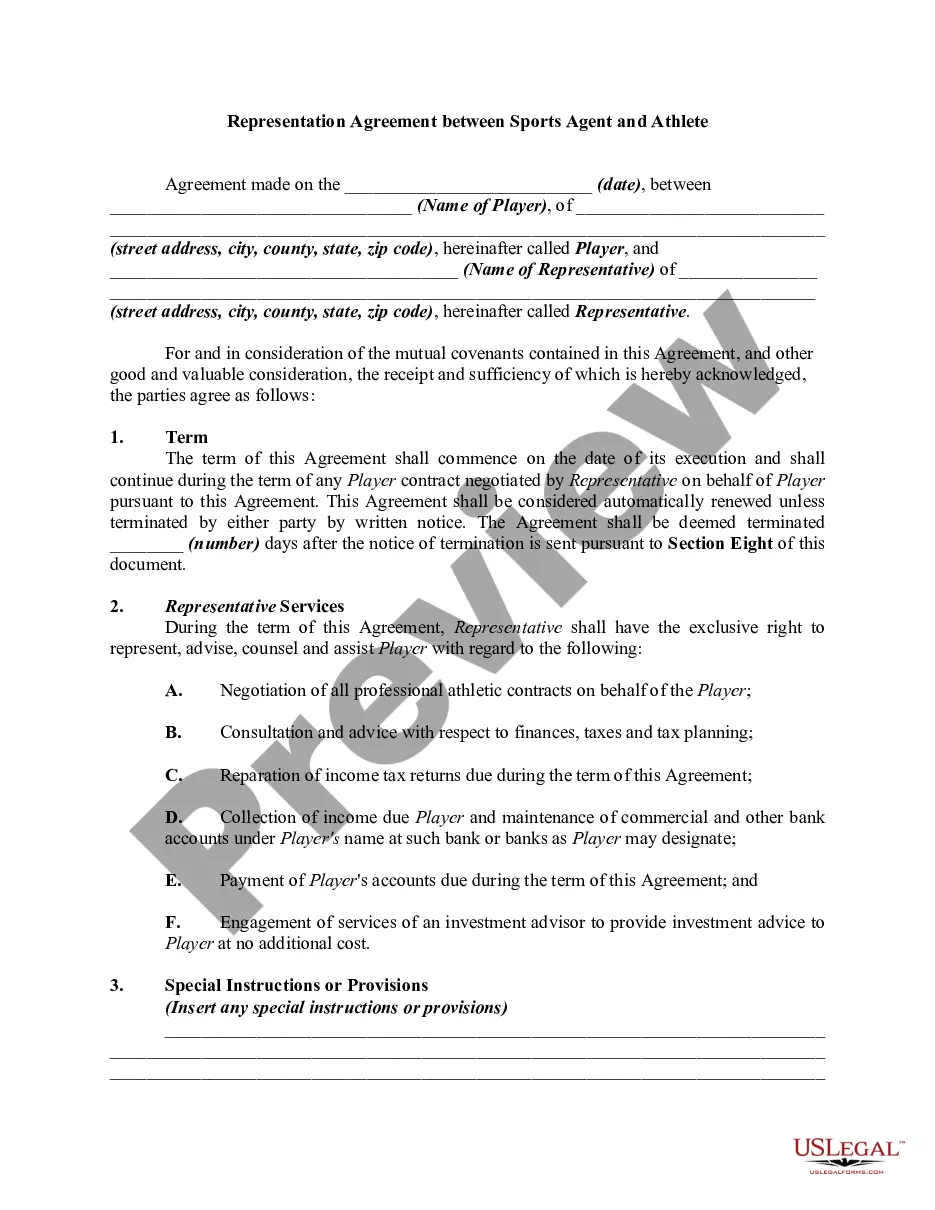
Get your form ready online
Our built-in tools help you complete, sign, share, and store your documents in one place.
Make edits, fill in missing information, and update formatting in US Legal Forms—just like you would in MS Word.
Download a copy, print it, send it by email, or mail it via USPS—whatever works best for your next step.
Sign and collect signatures with our SignNow integration. Send to multiple recipients, set reminders, and more. Go Premium to unlock E-Sign.
If this form requires notarization, complete it online through a secure video call—no need to meet a notary in person or wait for an appointment.
We protect your documents and personal data by following strict security and privacy standards.

Make edits, fill in missing information, and update formatting in US Legal Forms—just like you would in MS Word.

Download a copy, print it, send it by email, or mail it via USPS—whatever works best for your next step.

Sign and collect signatures with our SignNow integration. Send to multiple recipients, set reminders, and more. Go Premium to unlock E-Sign.

If this form requires notarization, complete it online through a secure video call—no need to meet a notary in person or wait for an appointment.

We protect your documents and personal data by following strict security and privacy standards.
Looking for another form?






Form popularity
FAQ
As noted above, there is currently no comprehensive legislation in the US that directly regulates AI. However, the White House Executive Order on AI and proposed legislation at the federal and state level generally seeks to address the following issues: Safety and security. Responsible innovation and development.
Contents. Confidentiality and data protection. Output verification. Create clear policies and provide training on responsible use.
Principles in detail Human, social and environmental wellbeing. Throughout their lifecycle, AI systems should benefit individuals, society and the environment. Human-centred values. Fairness. Privacy protection and security. Reliability and safety. Transparency and explainability. Contestability. Accountability.
As noted above, there is currently no comprehensive legislation in the US that directly regulates AI. However, the White House Executive Order on AI and proposed legislation at the federal and state level generally seeks to address the following issues: Safety and security. Responsible innovation and development.
Hence, AI is highly unlikely to replace human lawyers. Dependence on Technology: Overreliance on AI tools may lead to skill atrophy among legal professionals. AI should be seen as a sidekick in law firms, improving operational efficiency but never taking the wheel from seasoned pros.
One of the most common ways AI is used in law is during the electronic discovery (e-Discovery) process. During e-Discovery, lawyers identify and organize electronically stored information (ESI) in response to a request for production in a lawsuit or investigation.
In 2022, just over 15% of small firms and only 3.7% of solo attorneys were using or interested in AI-based tools. In comparison, in 2023, 20.7 % of small firms and 14.6% of solo attorneys indicated use or interest in such tools.
The AI Act (Regulation (EU) 2024/1689 laying down harmonised rules on artificial intelligence)is the first-ever comprehensive legal framework on AI worldwide. The aim of the rules is to foster trustworthy AI in Europe.
No, you can't take the bar without attending Texas law school. Currently, Texas is not one of the states that allow a person to take the bar exam without attending law school. States that do allow this are: California.
One of the most common ways AI is used in law is during the electronic discovery (e-Discovery) process. During e-Discovery, lawyers identify and organize electronically stored information (ESI) in response to a request for production in a lawsuit or investigation.
