Law Book For Banking In Phoenix
Description
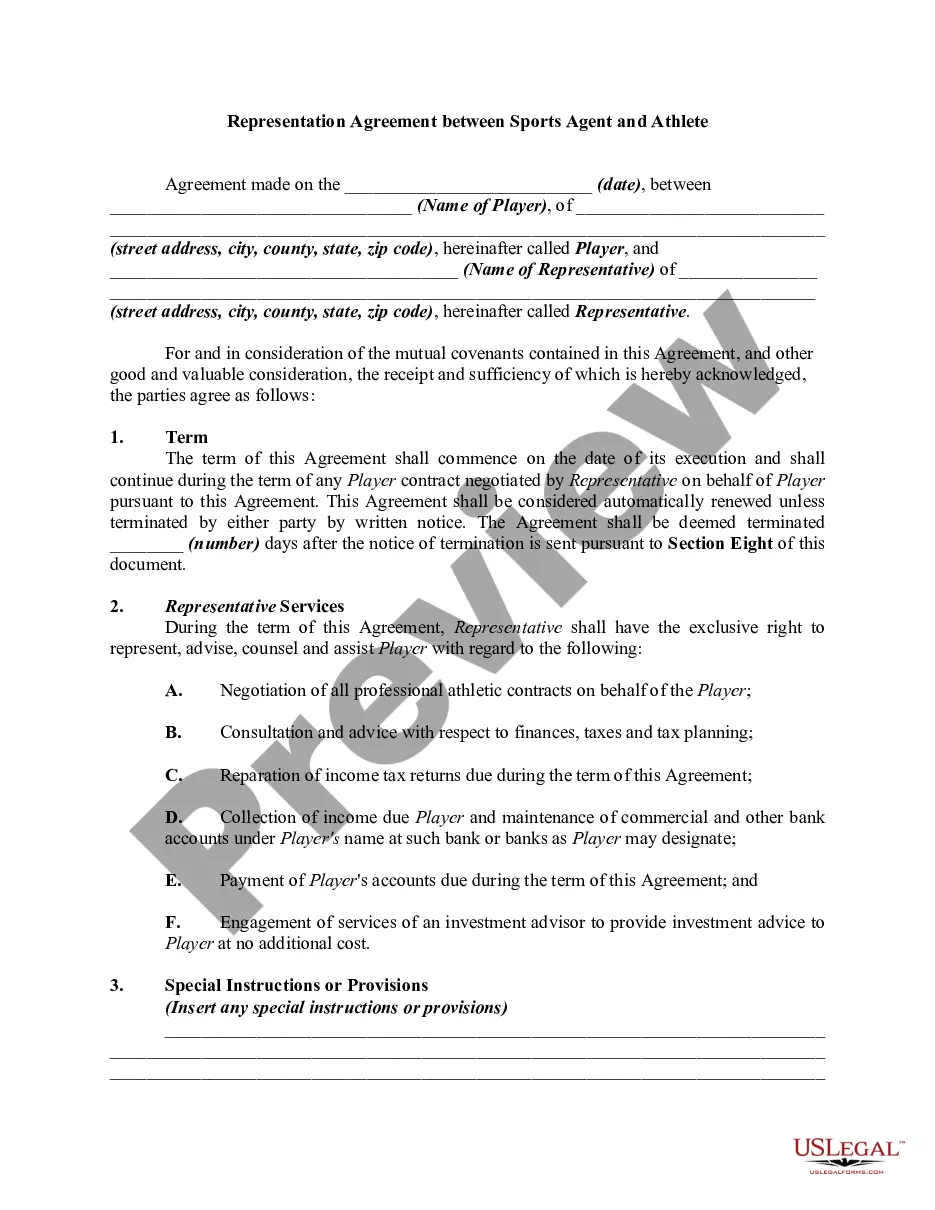
Get your form ready online
Our built-in tools help you complete, sign, share, and store your documents in one place.
Make edits, fill in missing information, and update formatting in US Legal Forms—just like you would in MS Word.
Download a copy, print it, send it by email, or mail it via USPS—whatever works best for your next step.
Sign and collect signatures with our SignNow integration. Send to multiple recipients, set reminders, and more. Go Premium to unlock E-Sign.
If this form requires notarization, complete it online through a secure video call—no need to meet a notary in person or wait for an appointment.
We protect your documents and personal data by following strict security and privacy standards.

Make edits, fill in missing information, and update formatting in US Legal Forms—just like you would in MS Word.

Download a copy, print it, send it by email, or mail it via USPS—whatever works best for your next step.

Sign and collect signatures with our SignNow integration. Send to multiple recipients, set reminders, and more. Go Premium to unlock E-Sign.

If this form requires notarization, complete it online through a secure video call—no need to meet a notary in person or wait for an appointment.

We protect your documents and personal data by following strict security and privacy standards.
Looking for another form?







Form popularity
FAQ
The Superior Court is a court of general jurisdiction over cases relating to criminal felonies, juveniles, families, probate/mental health, tax, and civil. The Judicial Branch, headed by a Presiding Judge, includes the Superior Court, and the departments of Adult and Juvenile Probation.
Among the Office's responsibilities are to: provide public access to the records of the actions of Superior Court; keep a docket; attend each Superior Court session to record the actions of the court; receive, distribute, and preserve official court documents; receive filings for Superior Court actions in civil, ...
The District Court handles misdemeanors where the maximum sentence is 2 ½ years in the House of Corrections. The Superior Court has authority over all crimes and most often handles major felony cases.
The Superior Court is a court of general jurisdiction over cases relating to criminal felonies, juveniles, families, probate/mental health, tax, and civil. The Judicial Branch, headed by a Presiding Judge, includes the Superior Court, and the departments of Adult and Juvenile Probation.
Superior courts serve as both court of first instance for felonies and other cases, as well as an appellate court for matters appealed from municipal and justice courts. The superior court is the state's only general jurisdiction court and it hears the widest variety of cases.
Matters of probate (wills, estates); dissolution or annulment of marriages (divorces); naturalization and the issuance of appropriate documents for these events; and, special cases and proceedings not otherwise provided for, and such other jurisdiction as may be provided by law.
The law governing banks, bank accounts, and lending in the United States is a hybrid of federal and state statutory law. Consumers and businesses usually establish bank accounts in banks and savings associations chartered under state or federal law.
In the U.S., banking is regulated at both the federal and state level. Depending on the type of charter a banking organization has and on its organizational structure, it may be subject to numerous federal and state banking regulations.
The Bank's Board of Directors shall prescribe Branch bylaws regulating the manner in which the Branch board of directors may conduct business of the Branch board.
(NBA)—the organic statute governing the OCC and national banks—as a corporation law and analyzes the business of banking through a corporate law lens.
