Law Handbook With Ai In Pennsylvania
Description
Get your form ready online
Our built-in tools help you complete, sign, share, and store your documents in one place.
Make edits, fill in missing information, and update formatting in US Legal Forms—just like you would in MS Word.
Download a copy, print it, send it by email, or mail it via USPS—whatever works best for your next step.
Sign and collect signatures with our SignNow integration. Send to multiple recipients, set reminders, and more. Go Premium to unlock E-Sign.
If this form requires notarization, complete it online through a secure video call—no need to meet a notary in person or wait for an appointment.
We protect your documents and personal data by following strict security and privacy standards.

Make edits, fill in missing information, and update formatting in US Legal Forms—just like you would in MS Word.

Download a copy, print it, send it by email, or mail it via USPS—whatever works best for your next step.

Sign and collect signatures with our SignNow integration. Send to multiple recipients, set reminders, and more. Go Premium to unlock E-Sign.

If this form requires notarization, complete it online through a secure video call—no need to meet a notary in person or wait for an appointment.

We protect your documents and personal data by following strict security and privacy standards.
Looking for another form?


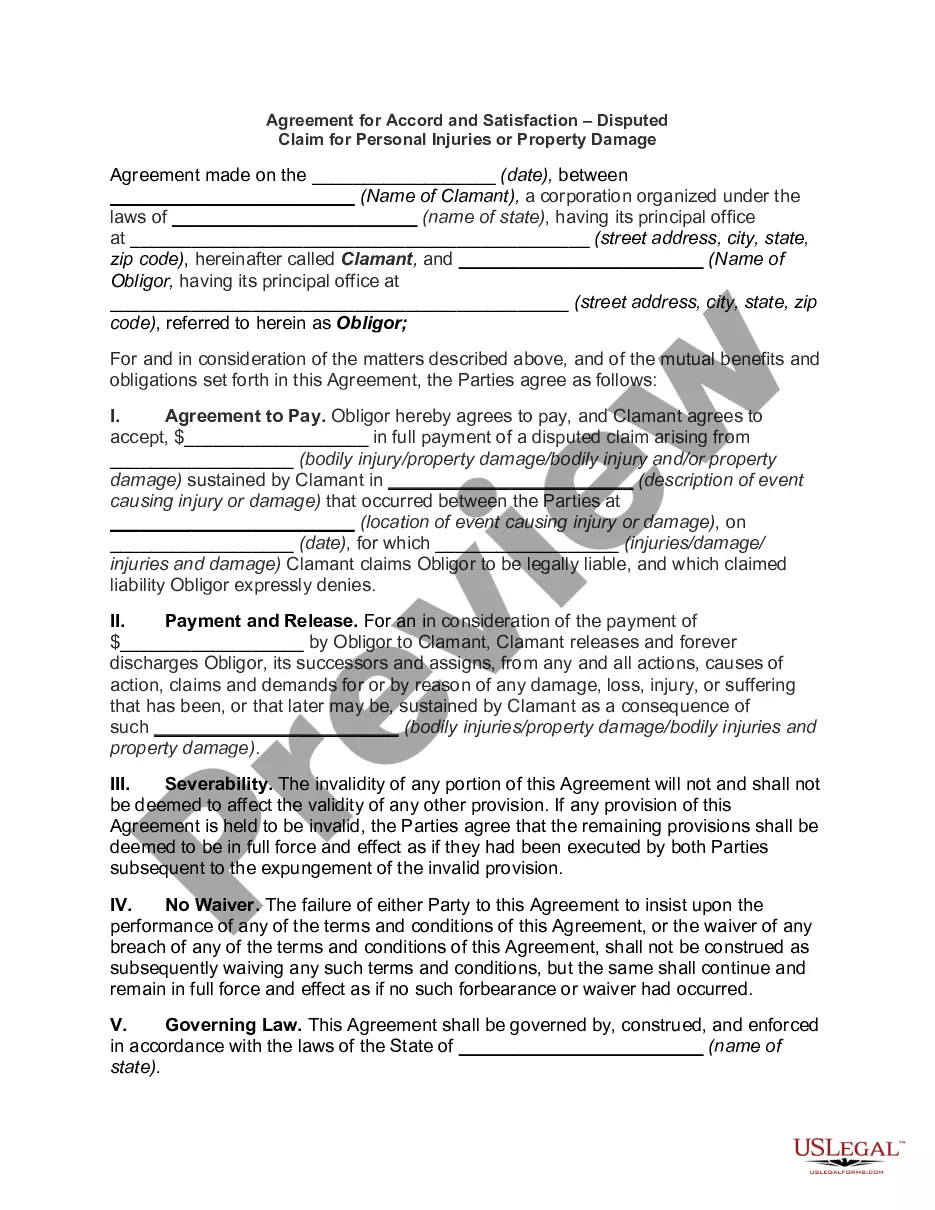


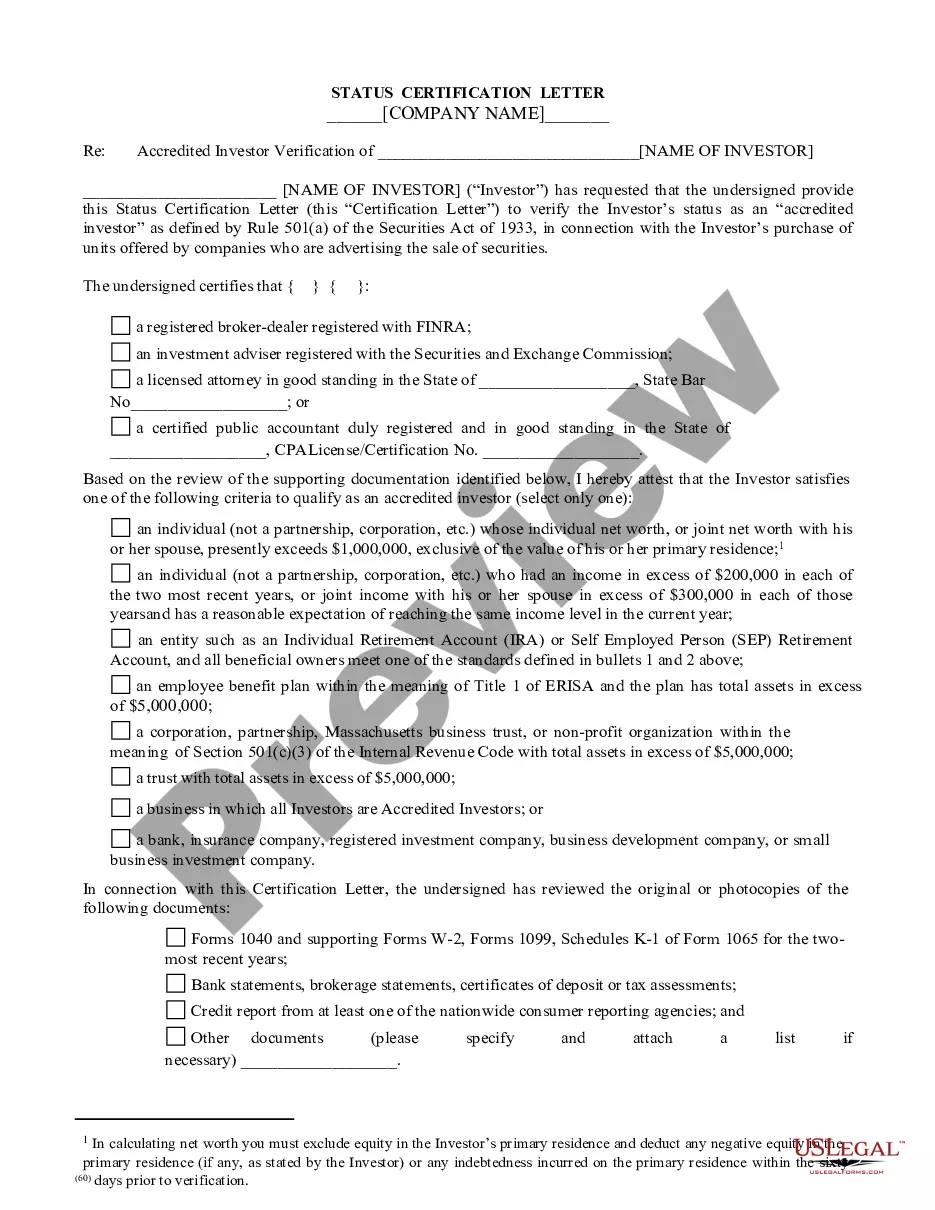

Form popularity
FAQ
11 Best Legal AI Tools CompanyFunctionKnown For Lex Machina Legal analytics Customizable templates Everlaw E-discovery platform Advanced AI Latch Generative AI assistant Complex offerings Smith.ai Virtual receptionist Customizable workflows10 more rows •
As one of the best legal AI solutions, Gavel.io revolutionizes document automation for law firms through its sophisticated cloud-based platform. The system excels in transforming complex legal documents into interactive, web-based forms that streamline client intake and document generation.
Law ChatGPT Uses combination of custom legal data training and sophisticated Artificial Intelligence Technology. Law Chat GPT can produce high-quality legal documents, such as contracts, letters, legal analysis and custom clauses, in a fraction of the time it would take a human lawyer to do so.
One of the most common ways AI is used in law is during the electronic discovery (e-Discovery) process. During e-Discovery, lawyers identify and organize electronically stored information (ESI) in response to a request for production in a lawsuit or investigation.
One of the most common ways AI is used in law is during the electronic discovery (e-Discovery) process. During e-Discovery, lawyers identify and organize electronically stored information (ESI) in response to a request for production in a lawsuit or investigation.
Key Legal Issues in AI Law Privacy and Data Protection: AI systems often require vast amounts of data, raising concerns about user consent, data protection, and privacy. Ensuring compliance with regulations like the GDPR is crucial for companies deploying AI solutions.
AI systems that violate privacy laws, such as HIPAA or state-specific regulations, could expose companies to liability. Civil Rights and Discrimination: AI systems used in areas such as hiring, housing, and healthcare have been shown to perpetuate biases, leading to civil rights violations.
Legal concerns around AI are still evolving. Issues like liability, intellectual property rights, and regulatory compliance are some of the major AI challenges. The accountability question arises when an AI-based decision maker is involved and results in a faulty system or an accident causing potential harm to someone.
Specifically, Character.AI was allegedly trained based on poor quality data sets “widely known for toxic conversations, sexually explicit material, copyrighted data, and even possible child sexual abuse material that produced flawed outputs.” Some of these alleged dangers include the unlicensed practice of ...
