Law Books For Beginners In New York
Description
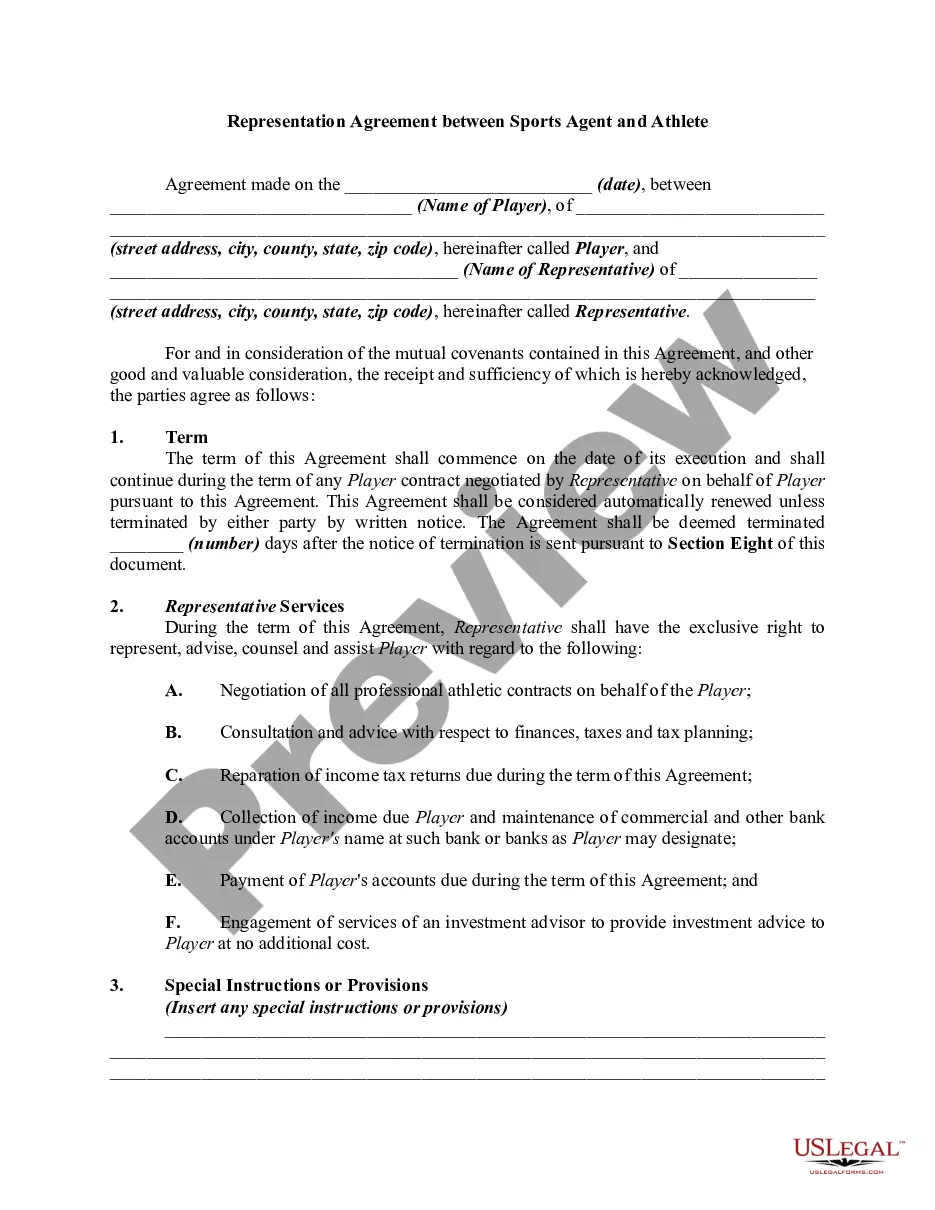
Get your form ready online
Our built-in tools help you complete, sign, share, and store your documents in one place.
Make edits, fill in missing information, and update formatting in US Legal Forms—just like you would in MS Word.
Download a copy, print it, send it by email, or mail it via USPS—whatever works best for your next step.
Sign and collect signatures with our SignNow integration. Send to multiple recipients, set reminders, and more. Go Premium to unlock E-Sign.
If this form requires notarization, complete it online through a secure video call—no need to meet a notary in person or wait for an appointment.
We protect your documents and personal data by following strict security and privacy standards.

Make edits, fill in missing information, and update formatting in US Legal Forms—just like you would in MS Word.

Download a copy, print it, send it by email, or mail it via USPS—whatever works best for your next step.

Sign and collect signatures with our SignNow integration. Send to multiple recipients, set reminders, and more. Go Premium to unlock E-Sign.

If this form requires notarization, complete it online through a secure video call—no need to meet a notary in person or wait for an appointment.

We protect your documents and personal data by following strict security and privacy standards.
Looking for another form?

Form popularity
FAQ
A law book is a collection of many books that talk about laws. These books can include things like rules, reports of cases, summaries of laws, and even dictionaries. They help people understand what the laws are and how they work.
Can I Take the Bar Without Going To Law School In New York? In New York, a person must complete a year of law school and three years of study in a law office under New York Bar Admission Rules Section 520.4. Once all that is completed, an applicant can take the bar exam.
Wyoming, New York and Maine allow lawyers to practice without earning a J.D. degree, although they must have at least some law school experience. A legal apprenticeship may be able to substitute for one or two years or school.
There are several ways to become a lawyer in New York. The traditional route is to get an undergraduate degree, take the Law School Admission Test, obtain a Juris Doctor (JD) or Doctor of Jurisprudence degree from an American Bar Association approved law school, and pass the New York State Bar Exam.
Wyoming, New York and Maine allow lawyers to practice without earning a J.D. degree, although they must have at least some law school experience. A legal apprenticeship may be able to substitute for one or two years or school.
California. An apprenticeship in California must contain four years of studying in a law office with a supervising attorney that has at least five years of active law practice in California. You will need to study a minimum of 18 hours a week, with five of those hours being under the direct supervision of the attorney.
The NYLE is a 50-item, two-hour, open-book, multiple-choice test administered online.
To get started, review our application checklist. Transfer and visiting students can learn more about their requirements here. Note that all candidates for J.D. admission must have earned a bachelor's degree from a regionally accredited college or university, or the foreign equivalent.
Although you can learn the law without law school and become a self-taught lawyer, you will not be able to qualify as a lawyer by simply reading about the law. Aside from learning the laws, you must also learn how to apply them in the right scenarios.