Law Book For Beginners In Miami-Dade
Description
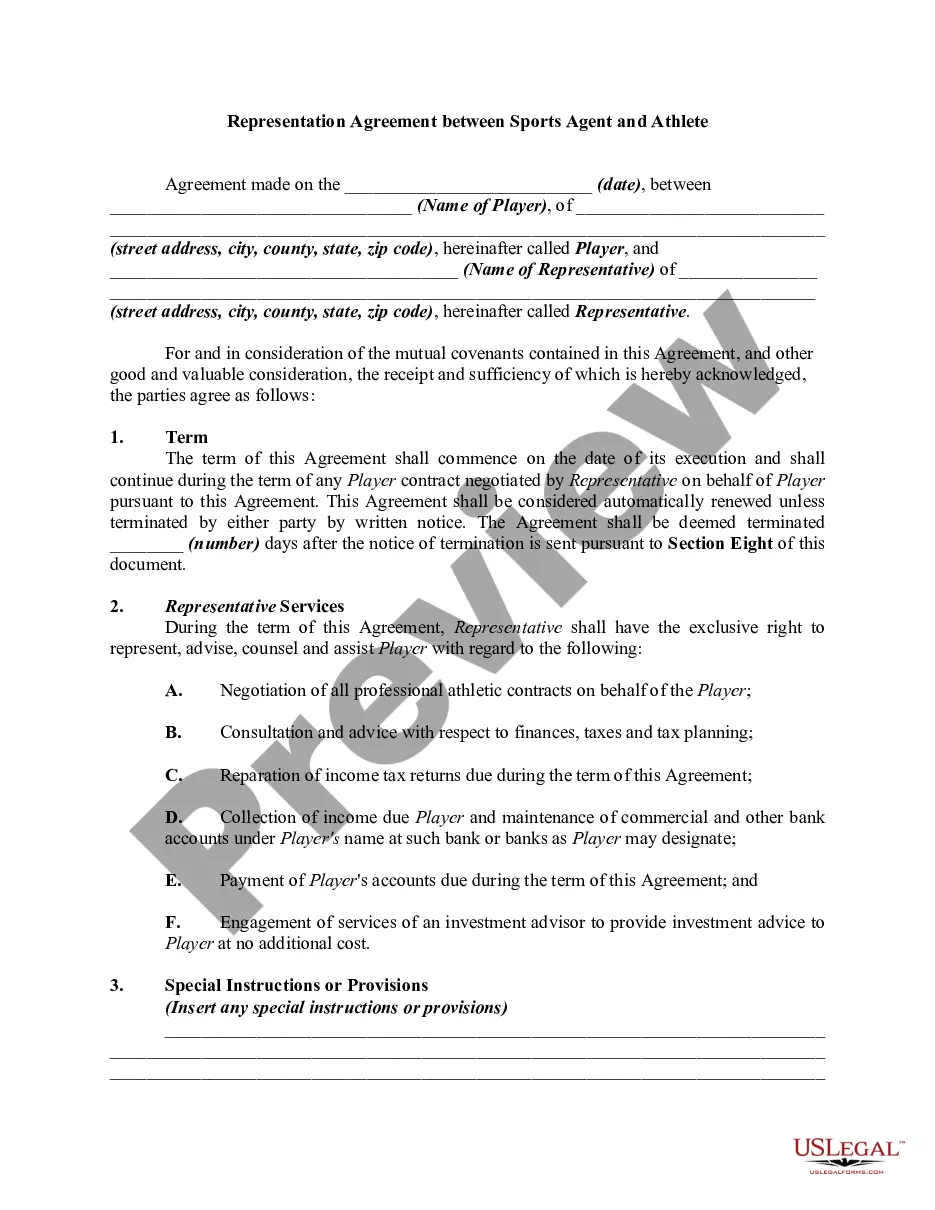
Get your form ready online
Our built-in tools help you complete, sign, share, and store your documents in one place.
Make edits, fill in missing information, and update formatting in US Legal Forms—just like you would in MS Word.
Download a copy, print it, send it by email, or mail it via USPS—whatever works best for your next step.
Sign and collect signatures with our SignNow integration. Send to multiple recipients, set reminders, and more. Go Premium to unlock E-Sign.
If this form requires notarization, complete it online through a secure video call—no need to meet a notary in person or wait for an appointment.
We protect your documents and personal data by following strict security and privacy standards.

Make edits, fill in missing information, and update formatting in US Legal Forms—just like you would in MS Word.

Download a copy, print it, send it by email, or mail it via USPS—whatever works best for your next step.

Sign and collect signatures with our SignNow integration. Send to multiple recipients, set reminders, and more. Go Premium to unlock E-Sign.

If this form requires notarization, complete it online through a secure video call—no need to meet a notary in person or wait for an appointment.

We protect your documents and personal data by following strict security and privacy standards.
Looking for another form?
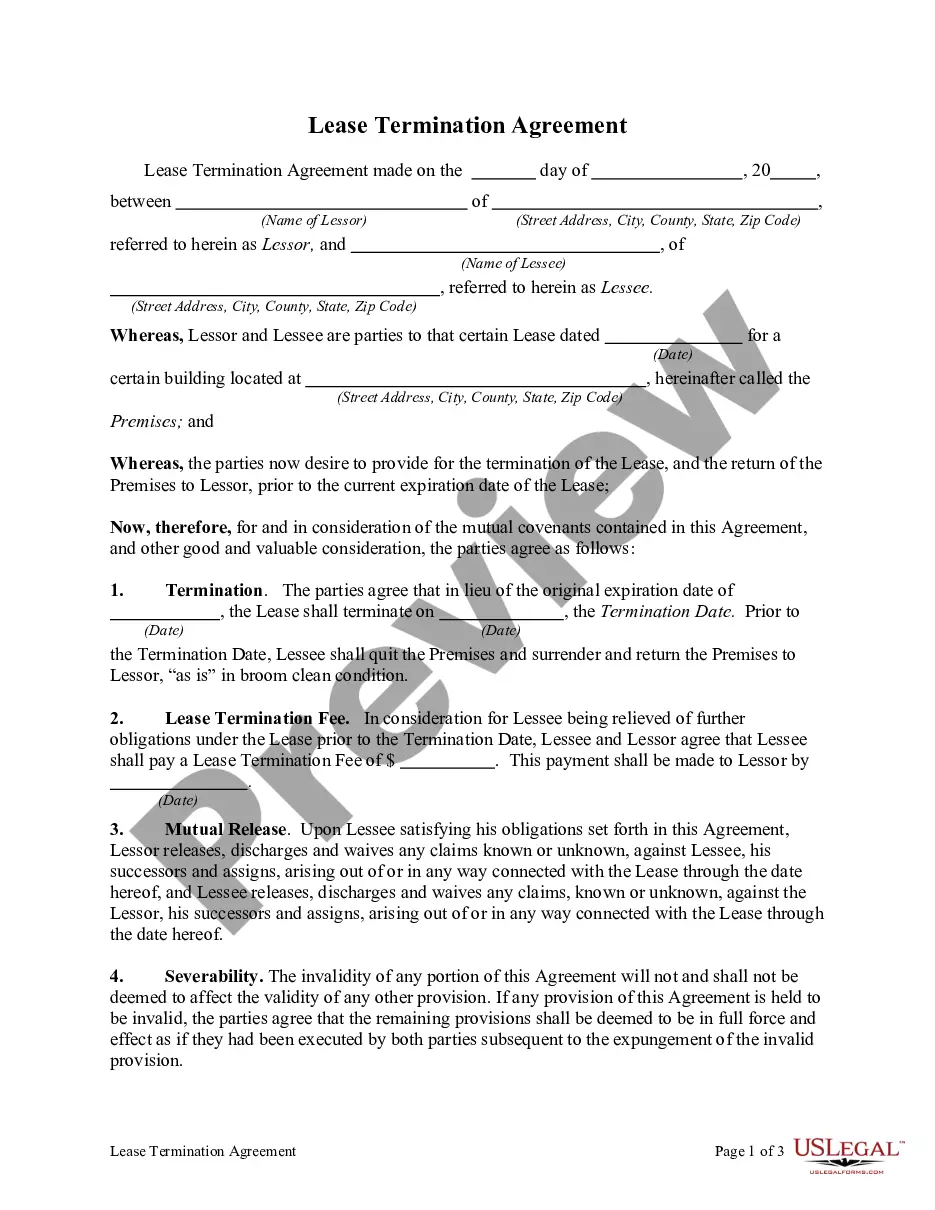





Form popularity
FAQ
You are not required to submit a request for public records in writing. If you do not choose to use our online form, you may call 305-499-8729 with your request.
All Notices of Commencement must be record via the Clerk of Courts. To view recording options available, please visit Clerk of Courts. You may eRecord your document through one of our approved vendors. With this option, you retain your original document and the recorded image is available the next day.
The standard is more relaxed in the civil justice system. Instead, the plaintiff must prove his case by a preponderance of the evidence. Under this standard, a plaintiff can prevail and win a civil case by showing that more likely than not everything he has said is true and he is entitled to a legal remedy.
Timeline of How to File a Lawsuit Step 1: File a Complaint. Plaintiff files a complaint and summons with the local county court. Step 2: Answer Complaint. Step 3: Discovery. Step 4: Failing to Respond to Discovery. Step 5: Conclusion of Lawsuit.
This information is for pro se litigants who wish to represent themselves in a civil law case. What this means is that you are either the petitioner or the respondent in a case and do not have a lawyer. You are encouraged to consult with a lawyer before proceeding further.
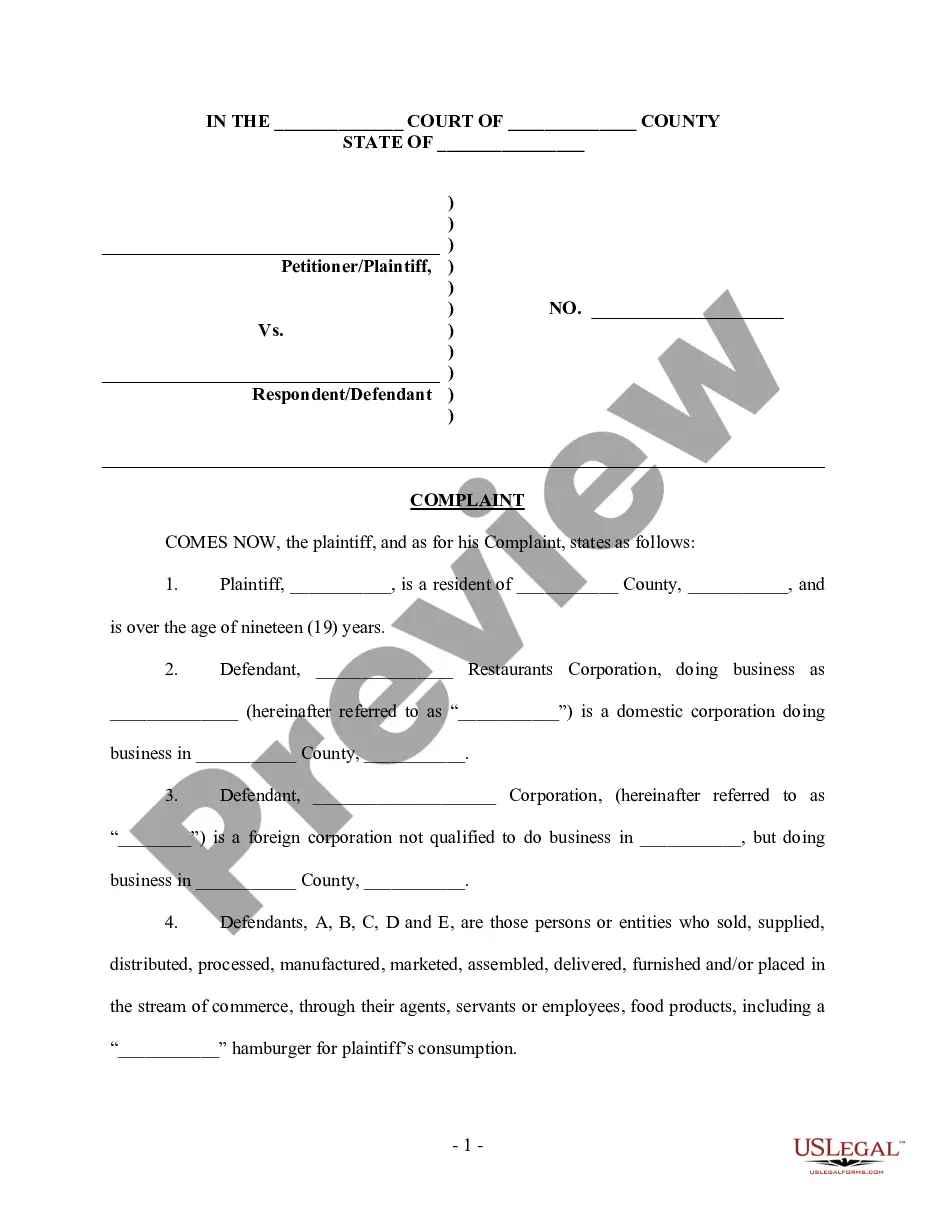
You start a lawsuit by filing a complaint. In some circumstances, you file a petition or a motion. The court has several complaint forms that you may use in drafting your complaint. The forms are available online and at the Pro Se Intake Unit.
Forms can be filed electronically online once completed, signed and notarized. First-time users will need to create an account. Please choose “Self-Represented Litigant” as the filer role when registering. Before you file, please make sure it is signed and notarized as required.
Many people have successfully represented themselves. Others have gone to court and found that their case was more complicated or that the court process was more difficult than they expected. These are some things to consider when deciding whether to represent yourself: Are you good at completing paperwork?
Seven Tips When Representing Yourself In Court Make a good impression. If you dress nicely, it tells the judge that you respect the courtroom and care about your case. Be respectful. Know what to ask. Arrive early. Tell your story. Come prepared. Use a lawyer if you need help.
The right to appear pro se in a civil case in federal court is contained in a statute 28 U.S.C. § 1654. Thus, anyone can appear pro se, and anyone who appears before the Court without an attorney is considered pro se.
