Law Book For Beginners In Maryland
Description
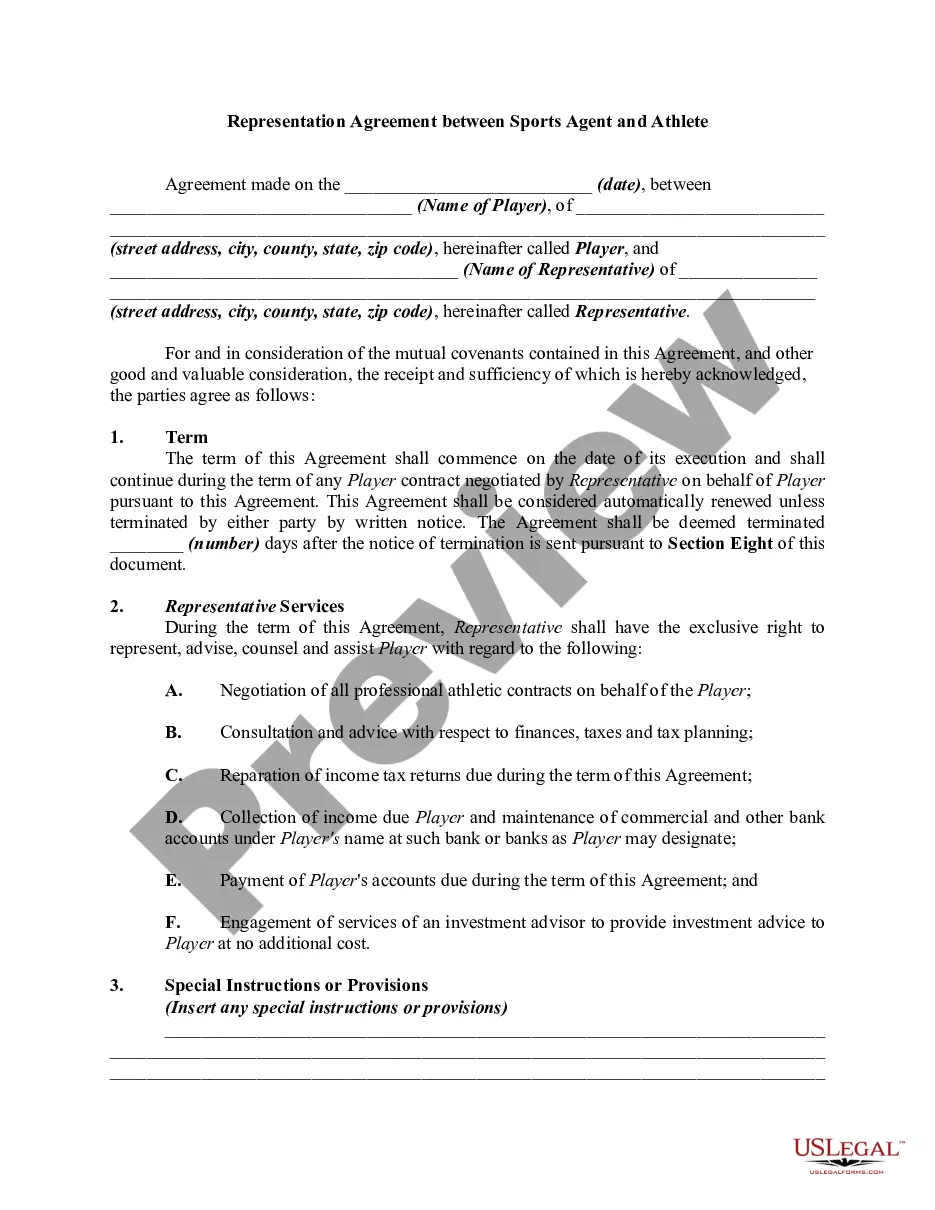
Get your form ready online
Our built-in tools help you complete, sign, share, and store your documents in one place.
Make edits, fill in missing information, and update formatting in US Legal Forms—just like you would in MS Word.
Download a copy, print it, send it by email, or mail it via USPS—whatever works best for your next step.
Sign and collect signatures with our SignNow integration. Send to multiple recipients, set reminders, and more. Go Premium to unlock E-Sign.
If this form requires notarization, complete it online through a secure video call—no need to meet a notary in person or wait for an appointment.
We protect your documents and personal data by following strict security and privacy standards.

Make edits, fill in missing information, and update formatting in US Legal Forms—just like you would in MS Word.

Download a copy, print it, send it by email, or mail it via USPS—whatever works best for your next step.

Sign and collect signatures with our SignNow integration. Send to multiple recipients, set reminders, and more. Go Premium to unlock E-Sign.

If this form requires notarization, complete it online through a secure video call—no need to meet a notary in person or wait for an appointment.

We protect your documents and personal data by following strict security and privacy standards.
Looking for another form?









Form popularity
FAQ
There are no general rules related to the time period to file a case. However, you almost always have at least a year to file a civil lawsuit. Depending on the type of case or civil action, it could be much longer. Different statutes of limitations apply to different types of cases and causes of action.
In Maryland, for most civil actions you have a period of three years after the act which caused you the harm to file a lawsuit. However, by law some types of cases have a different limitation period. For example, the limitation period for assault, libel, or slander is one year.
Anyone can file criminal charges simply by swearing out a charging document before a commissioner. Maryland law allows individuals to initiate criminal charges through a District Court commissioner.
filing is available in all Maryland jurisdictions. filing is offered by multiple filing service providers. Contact information for certified vendors can be found here.
In Maryland, for most civil actions you have a period of three years after the act which caused you the harm to file a lawsuit. However, by law some types of cases have a different limitation period. For example, the limitation period for assault, libel, or slander is one year.
Rule 1-311 - Signing of Pleadings and Other Papers (a) Requirement. Every pleading and paper of a party represented by an attorney shall be signed by at least one attorney who has been admitted to practice law in this State and who complies with Rule 1-312.
Generally speaking, the statute of limitations for personal injury cases in Maryland is three years and all cases must be fully resolved within the three-year period.
From law ebooks on administrative law, the constitution, and our courts, we carry a diverse selection for you to read on your device. Whether you're a student, a lawyer, or simply an inquiring mind, you'll get quick access to the best legal books and amazing law-related titles that help demystify the legal system.
The United States Code is the Code of Laws of the United States of America (also referred to as Code of Laws of the United States, United States Code, U.S. Code, or U.S.C.) and is a compilation and codification of all the general and permanent Federal laws of the United States.
Steps Step 1: The bill is drafted. Step 2: The bill is introduced. Step 3: The bill goes to committee. Step 4: Subcommittee review of the bill. Step 5: Committee mark up of the bill. Step 6: Voting by the full chamber on the bill. Step 7: Referral of the bill to the other chamber. Step 8: The bill goes to the president.
