Law Book For Tax In Illinois
Description
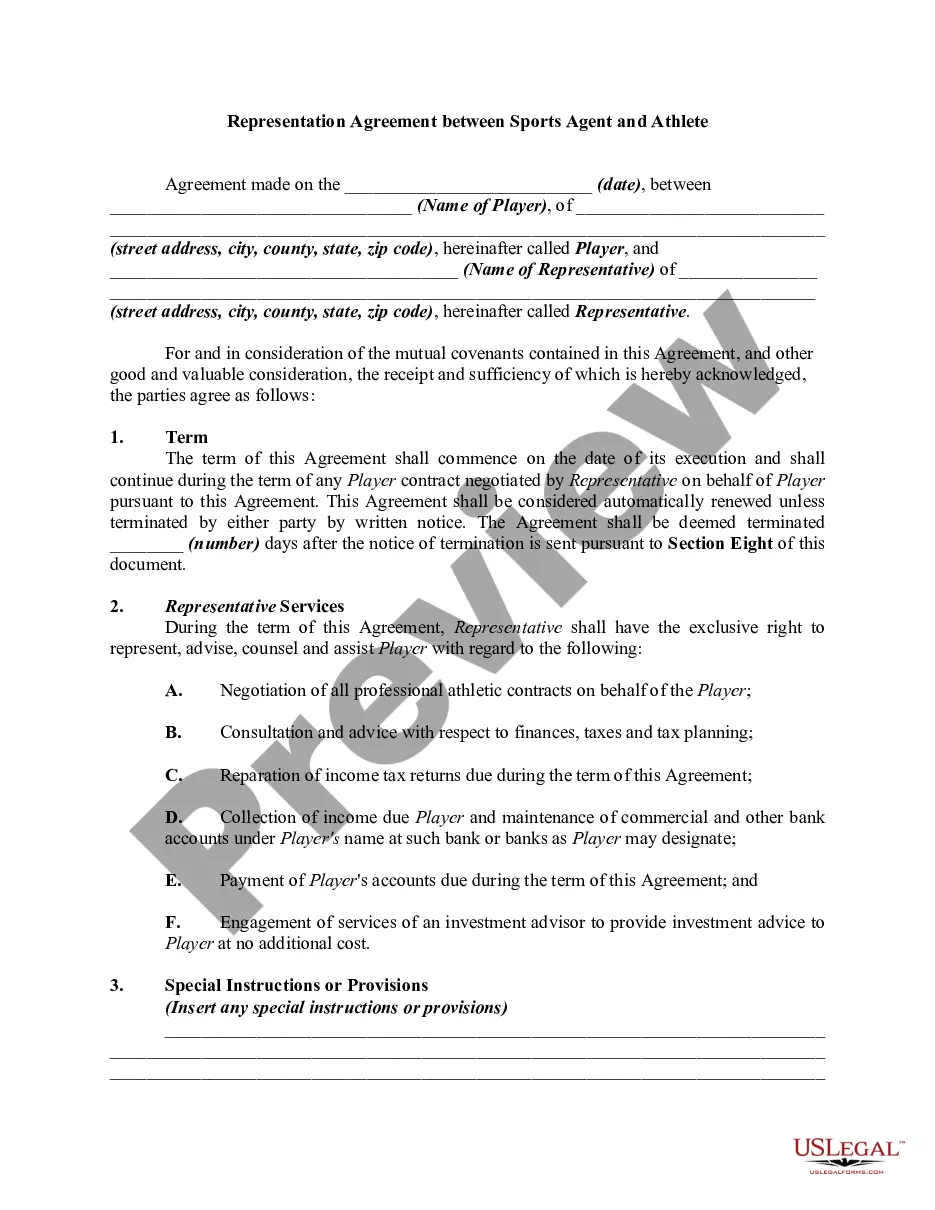
Get your form ready online
Our built-in tools help you complete, sign, share, and store your documents in one place.
Make edits, fill in missing information, and update formatting in US Legal Forms—just like you would in MS Word.
Download a copy, print it, send it by email, or mail it via USPS—whatever works best for your next step.
Sign and collect signatures with our SignNow integration. Send to multiple recipients, set reminders, and more. Go Premium to unlock E-Sign.
If this form requires notarization, complete it online through a secure video call—no need to meet a notary in person or wait for an appointment.
We protect your documents and personal data by following strict security and privacy standards.

Make edits, fill in missing information, and update formatting in US Legal Forms—just like you would in MS Word.

Download a copy, print it, send it by email, or mail it via USPS—whatever works best for your next step.

Sign and collect signatures with our SignNow integration. Send to multiple recipients, set reminders, and more. Go Premium to unlock E-Sign.

If this form requires notarization, complete it online through a secure video call—no need to meet a notary in person or wait for an appointment.

We protect your documents and personal data by following strict security and privacy standards.
Looking for another form?







Form popularity
FAQ
Remote seller sales tax rule changes The Illinois House and Senate approved SB 3362 on . The bill requires remote sellers to collect local sales taxes using destination rates.
On August 9, 2024, Illinois Governor J.B. Pritzker signed into law SB 3362, requiring retailers that are shipping goods to Illinois from a location outside of Illinois to administer sales tax on a destination basis, with general merchandise tax rates ranging from 6.25 percent to 11 percent.
The state levies a 6.25 percent sales tax statewide, but municipalities can add up to 4.75 percent in local sales tax. The combined average sales tax rate is 8.85 percent, ing to 2024 Tax Foundation data.
Bonus depreciation: The bonus depreciation deduction will be 60% in 2024. Gift tax exclusions: The annual gift tax exclusion increased to $18,000 in 2024, and the lifetime exclusion increased to $13.61 million. Qualified adoption expenses: The maximum credit for adoption expenses increased to $16,810 for 2024.
Most senior homeowners are eligible for this exemption if they are 65 years of age or older (born in 1958 or prior) and own and occupy their property as their principal place of residence. Once this exemption is applied, the Assessor's Office automatically renews it for you each year.
Two sources are the Internal Revenue Code (IRC) and IRS publications. You can also call the IRS, consult publications for tax professionals or those written for consumers, hire a tax professional, or get volunteer tax assistance through VITA.
Most people who don't file or who file late will only incur penalties and related financial consequences. The IRS only recommends criminal charges in cases involving tax evasion or criminal tax fraud. In criminal cases, not filing is usually a misdemeanor, but it can become a felony in some cases.
The Truth in Taxation law requires a taxing district to compare the amount of its proposed aggregate property tax levy, to the amount of taxes extended for the district in the prior year.
Illinois has a flat 4.95 percent individual income tax rate. Illinois has a 9.5 percent corporate income tax rate. Illinois also has a 6.25 percent state sales tax rate and an average combined state and local sales tax rate of 8.86 percent.
Late-filing (or nonfiling) penalty The first tier rate is the lesser of $250 or two percent (2%) of the tax required to be shown due on the return and reduced by timely payments or credits. If a return is timely filed but cannot be processed, you have 30 days to correct the return before penalty is due.
