Law Books For Beginners In Georgia
Description
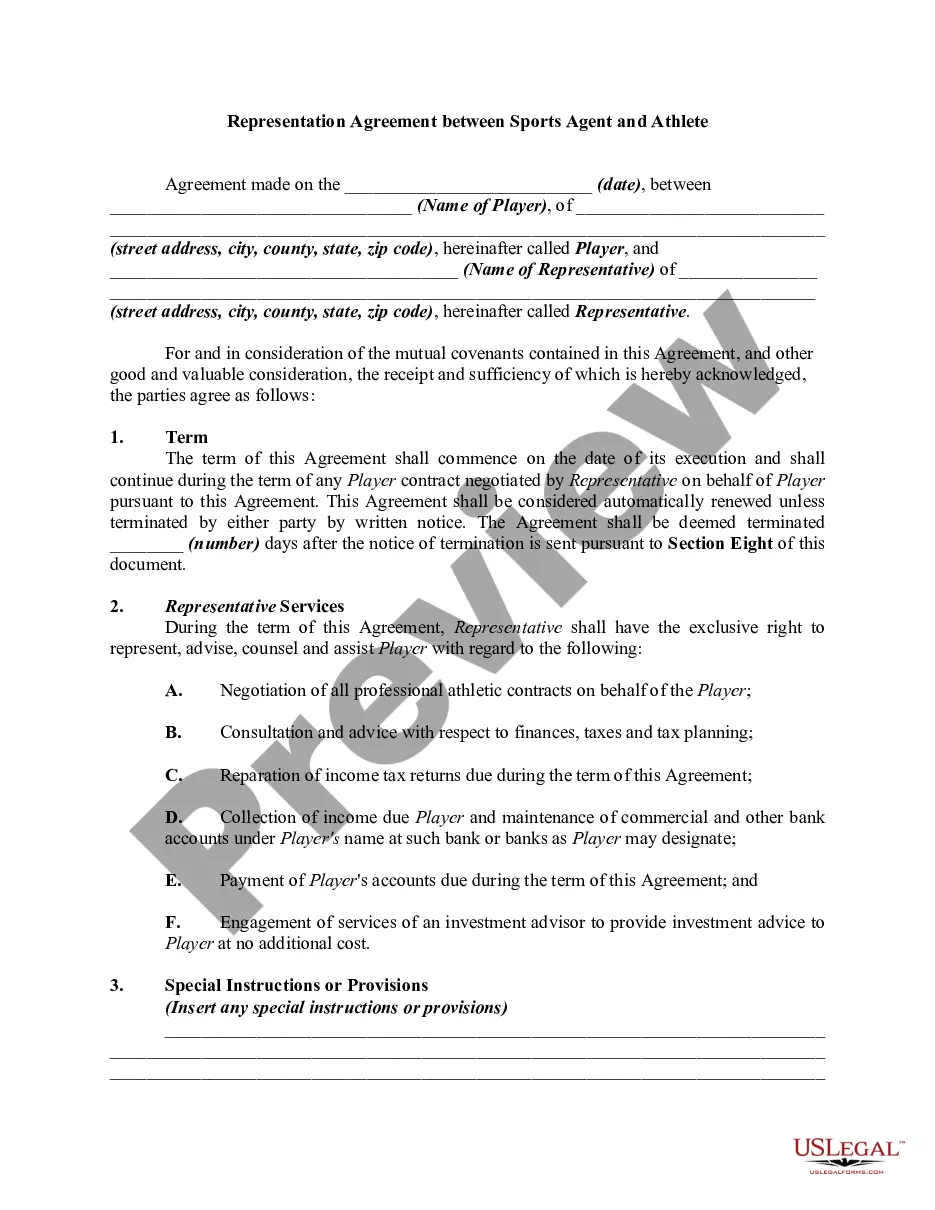
Get your form ready online
Our built-in tools help you complete, sign, share, and store your documents in one place.
Make edits, fill in missing information, and update formatting in US Legal Forms—just like you would in MS Word.
Download a copy, print it, send it by email, or mail it via USPS—whatever works best for your next step.
Sign and collect signatures with our SignNow integration. Send to multiple recipients, set reminders, and more. Go Premium to unlock E-Sign.
If this form requires notarization, complete it online through a secure video call—no need to meet a notary in person or wait for an appointment.
We protect your documents and personal data by following strict security and privacy standards.

Make edits, fill in missing information, and update formatting in US Legal Forms—just like you would in MS Word.

Download a copy, print it, send it by email, or mail it via USPS—whatever works best for your next step.

Sign and collect signatures with our SignNow integration. Send to multiple recipients, set reminders, and more. Go Premium to unlock E-Sign.

If this form requires notarization, complete it online through a secure video call—no need to meet a notary in person or wait for an appointment.

We protect your documents and personal data by following strict security and privacy standards.
Looking for another form?


Form popularity
FAQ
The most practical starting textbook is ``laying down the law'' (lexis) - gives an overview of the basics of law, how statutes and the common law work etc.
Public Domain Books Online Google Books. HathiTrust. Internet Archive. Project Gutenberg.
National Comparison: Overview of Facts. GSU Law is tied for #32 in terms of lowest student to faculty ratio (5.). GSU Law ranks #33 in terms of student selectivity with an acceptance rate of 30.0% among those who applied for admission.
Entering law school in Georgia requires candidates to obtain a bachelor's degree in a relevant discipline and to pass the Law School Admission Test (LSAT). After passing the LSAT, candidates pursue their Juris Doctor (J.D.) degree at a law school accredited by the American Bar Association.
Besides test scores and undergraduate performance, the personal statement file and letters of recommendation weigh in on GSU College of Law's decision to grant applicants admission. Currently, Georgia State University College of Law has an acceptance rate of 30%.
Qualified Candidates are First Year J.D. applicants who are recent graduates, currently enrolled or will graduate from Georgia State University who have: a minimum cumulative undergraduate GPA of 3.50; and. scored above the 85th percentile nationally on the SAT or ACT at time of administration.
GSU Law School is considered a Moderately Competitive law school, which accepts only 28% of its applicants.
UGA Law School is considered a Moderately Competitive law school, which accepts only 33% of its applicants.
The most practical starting textbook is ``laying down the law'' (lexis) - gives an overview of the basics of law, how statutes and the common law work etc.
