Law Book For Tax In Georgia
Description
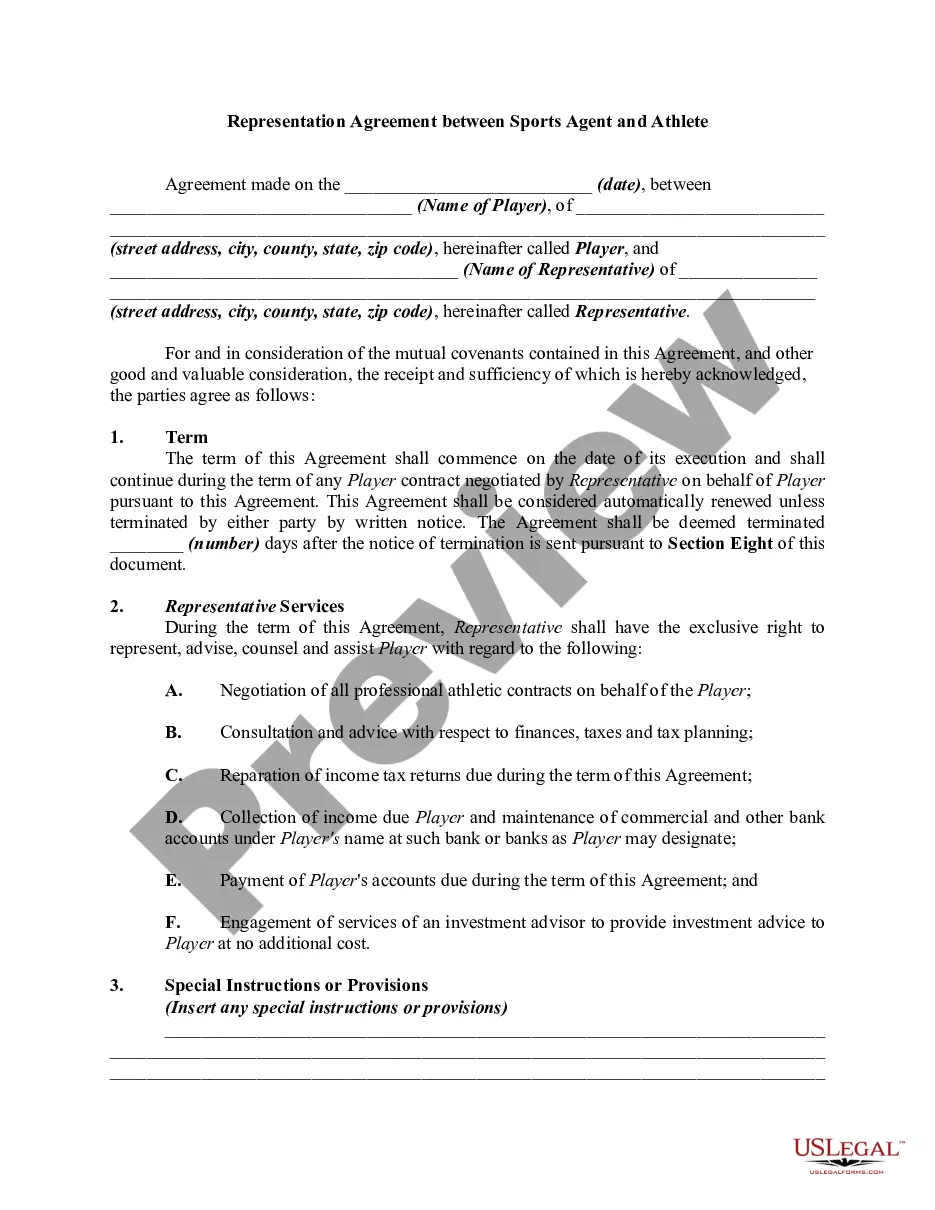
Get your form ready online
Our built-in tools help you complete, sign, share, and store your documents in one place.
Make edits, fill in missing information, and update formatting in US Legal Forms—just like you would in MS Word.
Download a copy, print it, send it by email, or mail it via USPS—whatever works best for your next step.
Sign and collect signatures with our SignNow integration. Send to multiple recipients, set reminders, and more. Go Premium to unlock E-Sign.
If this form requires notarization, complete it online through a secure video call—no need to meet a notary in person or wait for an appointment.
We protect your documents and personal data by following strict security and privacy standards.

Make edits, fill in missing information, and update formatting in US Legal Forms—just like you would in MS Word.

Download a copy, print it, send it by email, or mail it via USPS—whatever works best for your next step.

Sign and collect signatures with our SignNow integration. Send to multiple recipients, set reminders, and more. Go Premium to unlock E-Sign.

If this form requires notarization, complete it online through a secure video call—no need to meet a notary in person or wait for an appointment.

We protect your documents and personal data by following strict security and privacy standards.
Looking for another form?







Form popularity
FAQ
Income taxes are the cornerstone of Georgia's revenue system, accounting for half of state funds. Sales taxes are the second largest revenue source, slightly less than a quarter of annual collections. A reliable revenue system requires both types of taxes.
Georgia has a flat 5.49 percent individual income tax rate. Georgia has a 5.75 percent corporate income tax rate. Georgia also has a 4.00 percent state sales tax rate and an average combined state and local sales tax rate of 7.38 percent.
An individual is recognised as a tax resident of Georgia if one was actually located in Georgia for 183 days or more in any continuous 12-month period ending in the current tax year. The status of resident or non-resident is established for each tax period.
Does Georgia offer any income tax relief for retirees? Yes. A retirement exclusion is allowed provided the taxpayer is 62 years of age or older, or the taxpayer is totally and permanently disabled.
Georgia is highly favorable for retirees in terms of tax friendliness. The state does not tax Social Security benefits, withdrawals from pensions and retirement accounts are only partially taxed, and anyone over 62 or who are permanently disabled can qualify for a retirement income exclusion of $65,000.
Some goods are exempt from sales tax under Georgia law. Examples include some prescription drugs, medical supplies, and manufacturing equipment. Non-prepared food items are exempt from state sales tax, but are subject to local sales taxes.
You can use Form 2848, Power of Attorney and Declaration of Representative for this purpose. Your signature on the Form 2848 allows the individual or individuals named to represent you before the IRS and to receive your tax information for the matter(s) and tax year(s)/period(s) specified on the Form 2848.
Submit the completed Form RD-1061 through the Georgia Tax Center (GTC) or to the Department employee handling your inquiry.
Follow these steps to become a tax preparer in the state of Georgia: Determine whose taxes you want to prepare. Complete your education. Familiarize yourself with tax forms. Learn about tax preparation technology and the internet. Pass the IRS Tax Return Preparer test. Register as a third-party filer in Georgia.
Submit the completed Form RD-1061 through the Georgia Tax Center (GTC) or to the Department employee handling your inquiry.
