Law Book For Beginners In Cook
Description
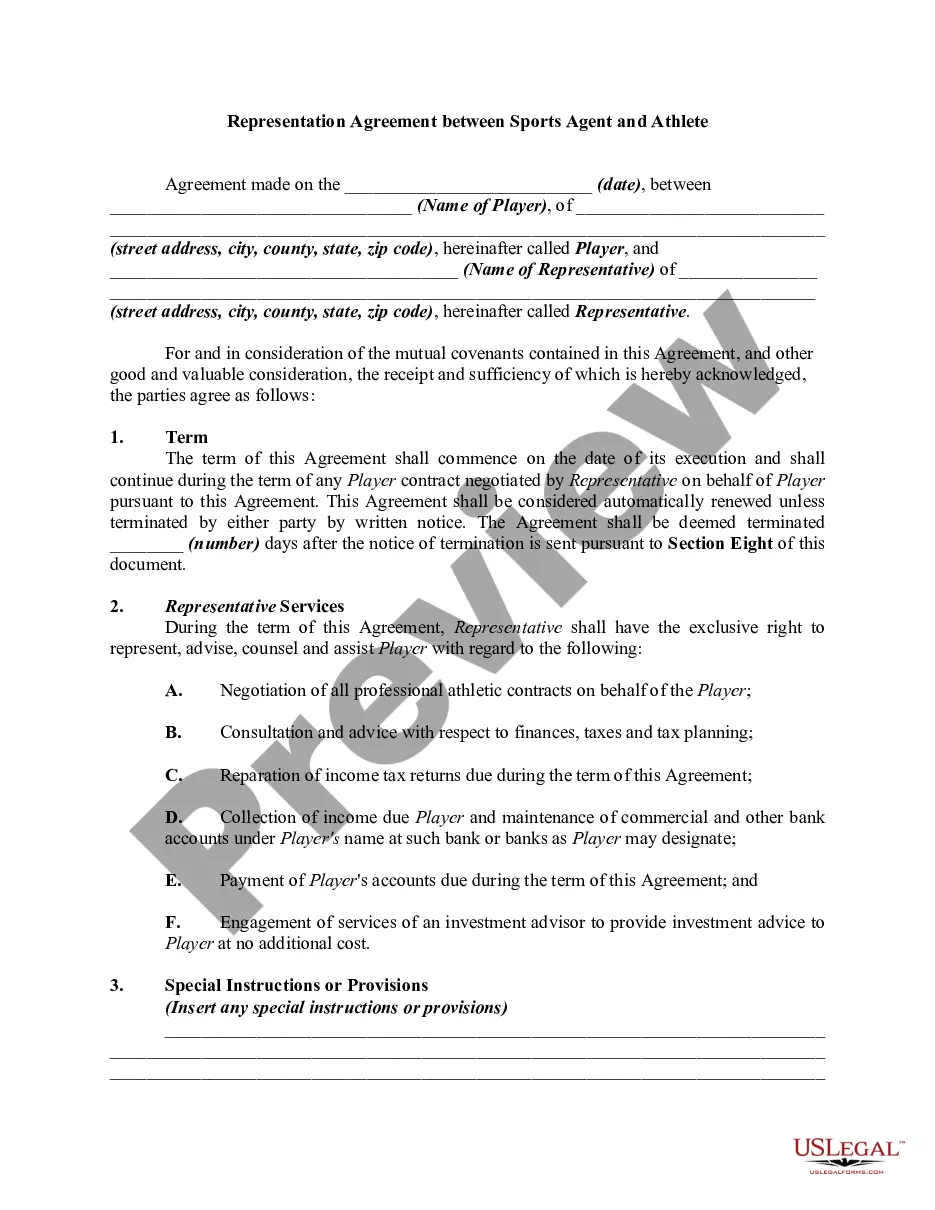
Get your form ready online
Our built-in tools help you complete, sign, share, and store your documents in one place.
Make edits, fill in missing information, and update formatting in US Legal Forms—just like you would in MS Word.
Download a copy, print it, send it by email, or mail it via USPS—whatever works best for your next step.
Sign and collect signatures with our SignNow integration. Send to multiple recipients, set reminders, and more. Go Premium to unlock E-Sign.
If this form requires notarization, complete it online through a secure video call—no need to meet a notary in person or wait for an appointment.
We protect your documents and personal data by following strict security and privacy standards.

Make edits, fill in missing information, and update formatting in US Legal Forms—just like you would in MS Word.

Download a copy, print it, send it by email, or mail it via USPS—whatever works best for your next step.

Sign and collect signatures with our SignNow integration. Send to multiple recipients, set reminders, and more. Go Premium to unlock E-Sign.

If this form requires notarization, complete it online through a secure video call—no need to meet a notary in person or wait for an appointment.

We protect your documents and personal data by following strict security and privacy standards.
Looking for another form?










Form popularity
FAQ
In general cookbooks, the chapters should follow through the order of the courses of a meal, from appetisers to dessert. Baking can come first or last. Within each section, recipes should follow a logical order, such as from simple to complex, alphabetically, or grouped by main ingredient.
Introduction – List points that you'd like to cover in your introduction. Perhaps a brief history of the subject, your personal relationship to the subject, and your favorite tips for success, etc. Ingredients and Equipment Guide – Most cookbook authors include this in a cookbook, but it's not necessary.
What makes an award-winning cookbook? Here are 5 tips: 1. Decide whom your book is for and know why it needs to exist. Readers come to recipes for all kinds of reasons. 2. It's not about you. 3. Voice matters more than anything. 4. You can't write great recipes alone. 5. Tiny oversights make a big difference.
The main body of text can begin with a message from the author with a personal message, information on the background of the cookbook and any interesting features of the cookbook. Some authors' introductions contain extra information such as special utensils or tools required, or health information.
The 7 questions of a cookbook reviewer Question 1: Is it useful? ... Question 2: Is it thoughtful? ... Question 3: Is it new? ... Question 4: Does it tell a story? ... Question 5: Is it well-designed? ... Question 6: Is it focused? ... Question 7: Is it the best of its kind?
When you create a cookbook of your own for personal use, it is automatically copyrighted and you do not have to apply for a copyright from the US. Copyright Office. But if you want to protect your cookbook as your intellectual property so that others cannot profit from it, you must have your cookbook copyrighted.
Take these steps to make it happen. Brainstorm family recipes. Think of some of your favorite recipes that you loved growing up. Collect the recipes from relatives. Curate the collection and write them up. Design or find a consistent format. Cook (and take pictures).
Write clear instructions: Write clear, concise instructions for each recipe. Include ingredient lists, preparation steps, and cooking times. Consider adding tips and variations to help readers customize the recipe to their liking. Include high-quality photos: Photos can make or break a cookbook.
Use Textbooks and Resources: Utilize recommended textbooks, online courses, and legal journals to deepen your understanding. Summarize Key Points: As you read, take notes that summarize important concepts and rules. Create Outlines: Organize your notes into outlines to make it easier to review and study for exams.
Can You Become a Lawyer If You're Self-Taught? Although you can learn the law without law school and become a self-taught lawyer, you will not be able to qualify as a lawyer by simply reading about the law. Aside from learning the laws, you must also learn how to apply them in the right scenarios.