Law Book For Banking In California
Description
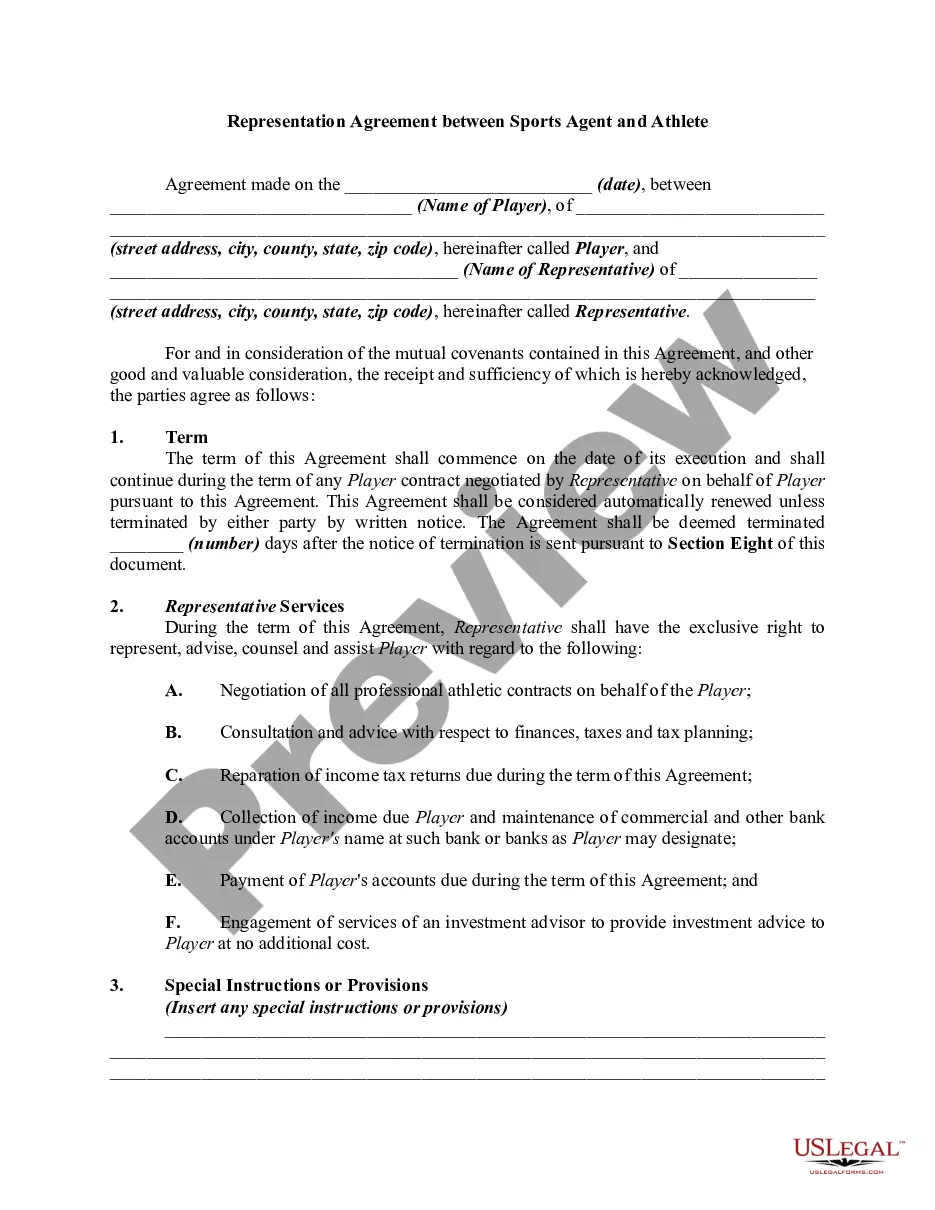
Get your form ready online
Our built-in tools help you complete, sign, share, and store your documents in one place.
Make edits, fill in missing information, and update formatting in US Legal Forms—just like you would in MS Word.
Download a copy, print it, send it by email, or mail it via USPS—whatever works best for your next step.
Sign and collect signatures with our SignNow integration. Send to multiple recipients, set reminders, and more. Go Premium to unlock E-Sign.
If this form requires notarization, complete it online through a secure video call—no need to meet a notary in person or wait for an appointment.
We protect your documents and personal data by following strict security and privacy standards.

Make edits, fill in missing information, and update formatting in US Legal Forms—just like you would in MS Word.

Download a copy, print it, send it by email, or mail it via USPS—whatever works best for your next step.

Sign and collect signatures with our SignNow integration. Send to multiple recipients, set reminders, and more. Go Premium to unlock E-Sign.

If this form requires notarization, complete it online through a secure video call—no need to meet a notary in person or wait for an appointment.

We protect your documents and personal data by following strict security and privacy standards.
Looking for another form?



Form popularity
FAQ
Research and Comply with Regulatory Oversight. Practice Strict Financial Discipline, Always. Assess All of Your Options. Draft a Detailed Business Plan. Secure Finances. Register as a Legal Business Entity. Obtain an Employer Identification Number. Apply for Charters.
The law governing banks, bank accounts, and lending in the United States is a hybrid of federal and state statutory law. Consumers and businesses usually establish bank accounts in banks and savings associations chartered under state or federal law.
A Beginner's Guide to Starting Your Own Bank Determine a need. Appoint a board of directors. Make sure you have the starting capital. Create a business summary plan. Hire a legal team. Establish a risk management infrastructure. Hire a public face. Apply for all charters.
Five Important U.S. Banking Laws. National Bank Act of 1864. Federal Reserve Act of 1913. Glass-Steagall Act of 1933. Bank Secrecy Act of 1970. Dodd-Frank Wall Street Reform and Consumer Protection Act of 2010. The Bottom Line.
Starting Your Own Bank Both the U.S. and offshore banking industry is regulated heavily. In the U.S., a license can be granted by federal and state charter. New charter applications are screened and have to pass a rigorous government scrutinizing.
The banking book is a term for assets on a bank's balance sheet that are expected to be held to maturity, usually consisting of customer loans to and deposits from retail and corporate customers.
Obtain a Bank License and Other Necessary Permits Apply for a banking license and a Certificate of Occupancy (CO). INC Authority can handle startup and registration procedures, speeding up the process. After chartering your bank, obtain insurance from the Federal Deposit Insurance Corporation (FDIC).
You will need to get licensed as a business and apply for a banking charter from the state in order to open your bank. It's important to make sure that you are properly registered with all of the necessary government agencies before you start operations.
Regulation requires that banks maintain a minimum net worth, usually expressed as a percent of their assets, to protect their depositors and other creditors. Another part of bank regulation is restrictions on the types of investments banks are allowed to make.
Integrity. Neutrality. Reliability. Transparency. Looking out for public benefits and respect for environment. Combat Against Laundering of Proceeds of Crime and Financing of Terrorism. Prevention of Information Abuse. Avoiding unfair competition between banks.
