Meeting Minutes For Company In Miami-Dade
Description
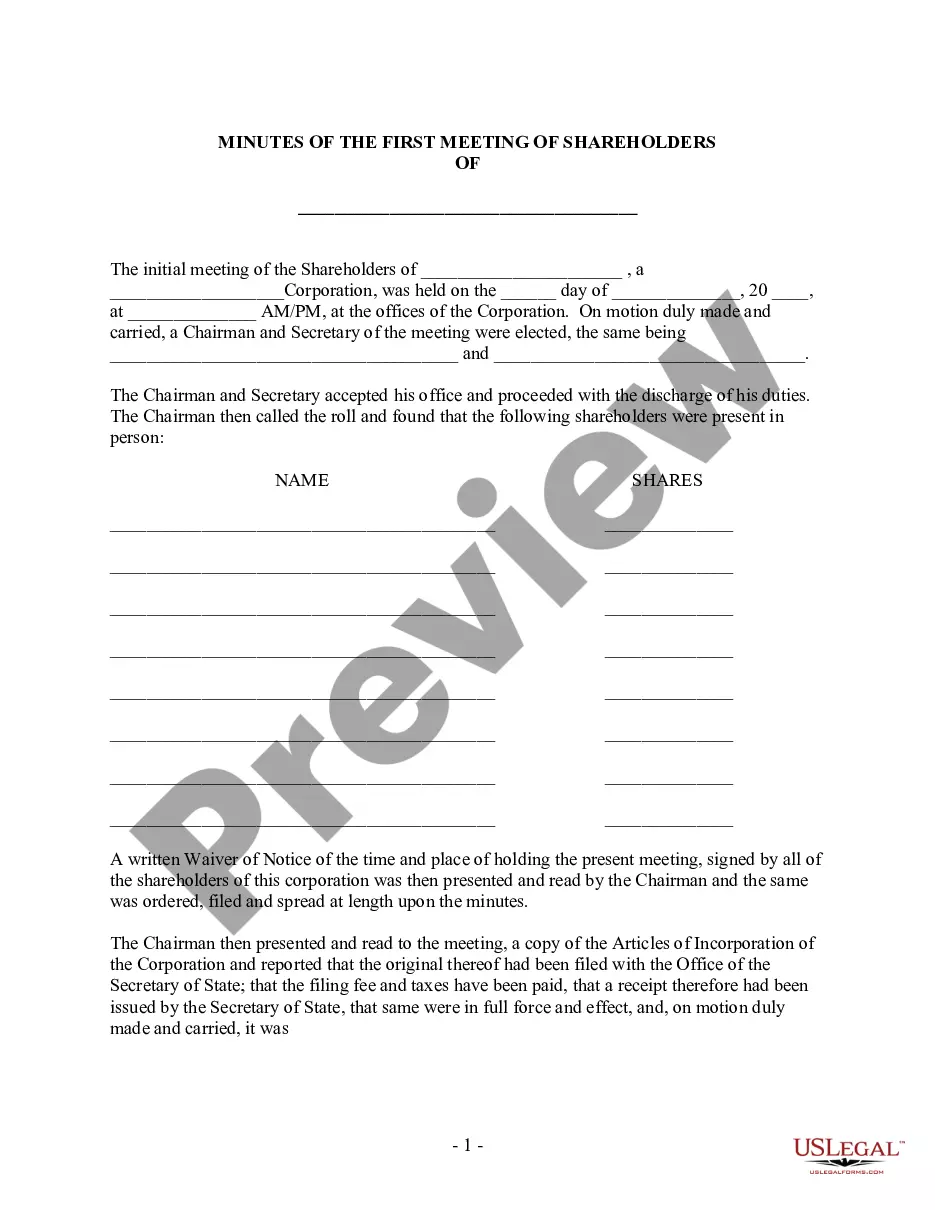
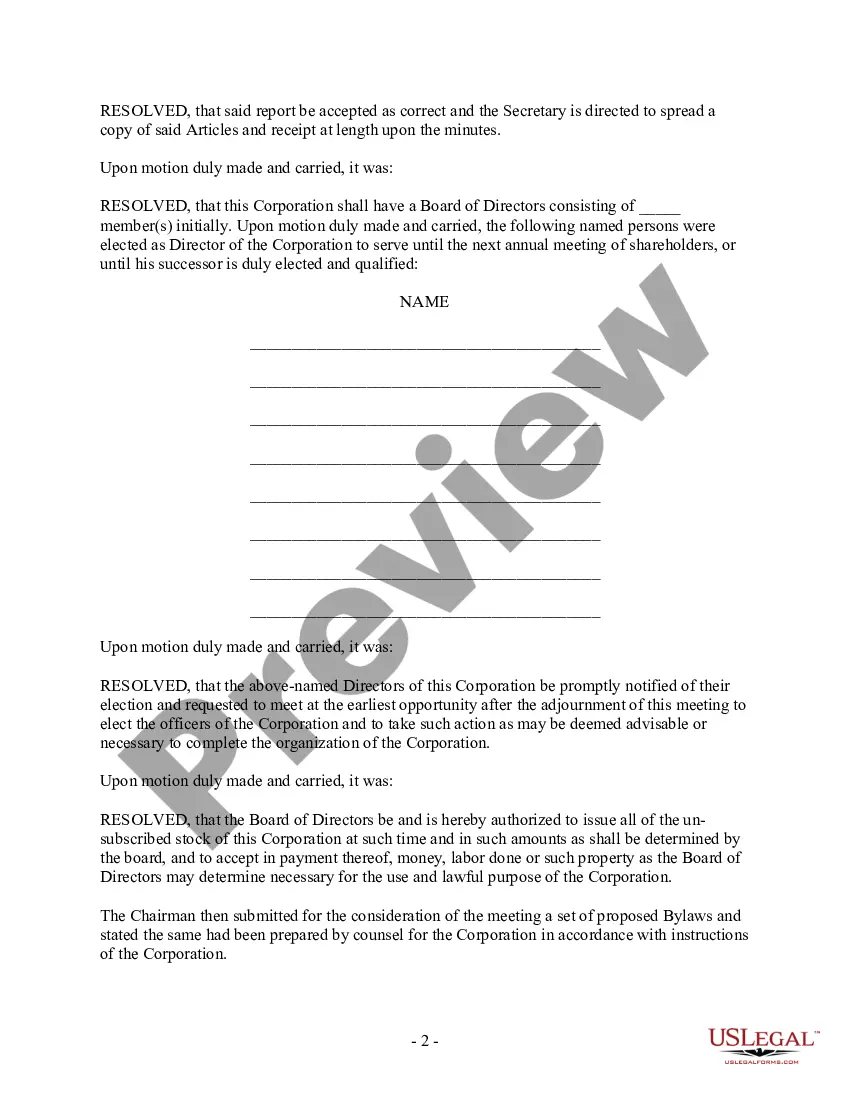
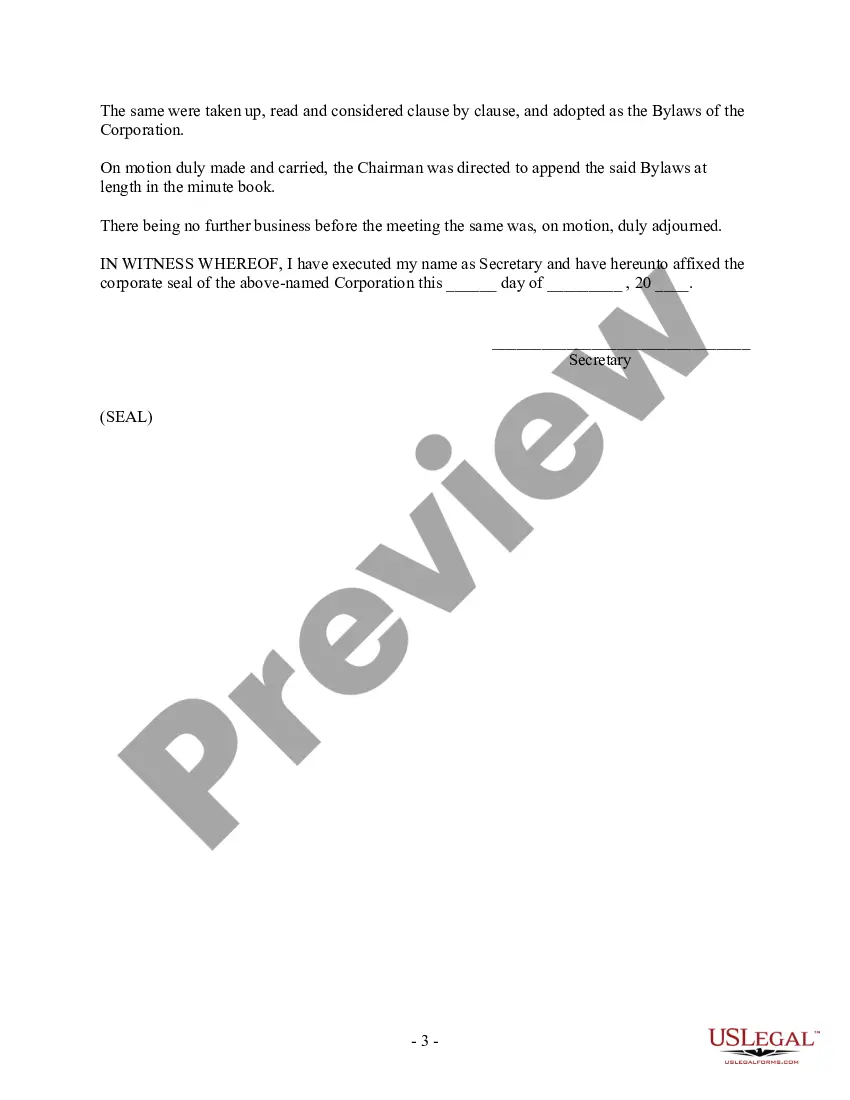



Get your form ready online
Our built-in tools help you complete, sign, share, and store your documents in one place.
Make edits, fill in missing information, and update formatting in US Legal Forms—just like you would in MS Word.
Download a copy, print it, send it by email, or mail it via USPS—whatever works best for your next step.
Sign and collect signatures with our SignNow integration. Send to multiple recipients, set reminders, and more. Go Premium to unlock E-Sign.
If this form requires notarization, complete it online through a secure video call—no need to meet a notary in person or wait for an appointment.
We protect your documents and personal data by following strict security and privacy standards.

Make edits, fill in missing information, and update formatting in US Legal Forms—just like you would in MS Word.

Download a copy, print it, send it by email, or mail it via USPS—whatever works best for your next step.

Sign and collect signatures with our SignNow integration. Send to multiple recipients, set reminders, and more. Go Premium to unlock E-Sign.

If this form requires notarization, complete it online through a secure video call—no need to meet a notary in person or wait for an appointment.

We protect your documents and personal data by following strict security and privacy standards.
Looking for another form?

Form popularity
FAQ
Meeting minutes are notes that are recorded during a meeting. They highlight the key issues that are discussed, motions proposed or voted on, and activities to be undertaken. The minutes of a meeting are usually taken by a designated member of the group.
Meeting minutes are notes that are recorded during a meeting. They highlight the key issues that are discussed, motions proposed or voted on, and activities to be undertaken. The minutes of a meeting are usually taken by a designated member of the group.
(1) Every company shall cause minutes of the proceedings of every general meeting of any class of shareholders or creditors, and every resolution passed by postal ballot and every meeting of its Board of Directors or of every committee of the Board, to be prepared and signed in such manner as may be prescribed and kept ...
How to write meeting minutes Organization name. Meeting purpose. Start and end times. Date and location. List of attendees and absentees, if necessary. Space for important information like motions passed or deadlines given. Space for your signature and the meeting leader's signature.
Documents are recorded at the Clerk of the Courts, MIAMI-DADE COUNTY RECORDER, COURTHOUSE EAST, 22 N.W. First Street, 1st Floor, Miami, FL 33128. You can record the Notice of Commencement by mail. The original Notice should be sent to the County Recorder, P.O. Box 011711, Flagler Station, Miami, Florida 33101.
To take effective meeting minutes, the secretary should include: Date of the meeting. Time the meeting was called to order. Names of the meeting participants and absentees. Corrections and amendments to previous meeting minutes. Additions to the current agenda. Whether a quorum is present. Motions taken or rejected.
What happens if a minute book is not maintained? If evidence is uncovered that a corporate entity's actions are not documented in historic or active record keeping, the shareholders, members, and management could lose personal liability protection – a situation referred to as “piercing the corporate veil.”
What Should Be Included in Meeting Minutes? Date and time of the meeting. Names of the meeting participants and those unable to attend (e.g., “regrets”) Acceptance or corrections/amendments to previous meeting minutes. Decisions made about each agenda item, for example: Actions taken or agreed to be taken. Next steps.
How to write meeting minutes reports Make an outline. Prior to the meeting, create an outline by picking or designing a template. Include factual information. Write down the purpose. Record decisions made. Add details for the next meeting. Be concise. Consider recording. Edit and proofread.
What to include in a meeting agenda Clarify and define goals. Ask participants for input. List key questions for discussion. Identify the purpose of each task. Allocate time to spend on each agenda item. Identify who leads each topic. End each meeting with a review.