Requesting Discovery Form For Chronic Medication In Wayne
Description
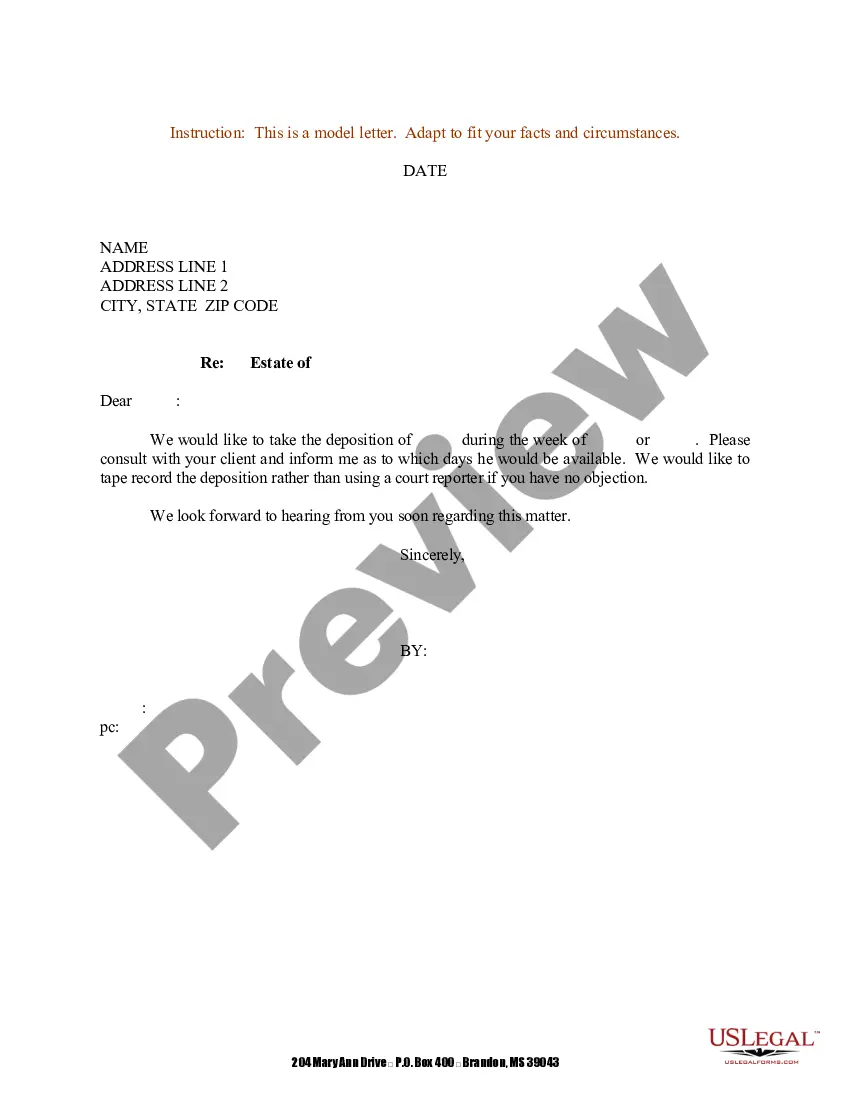
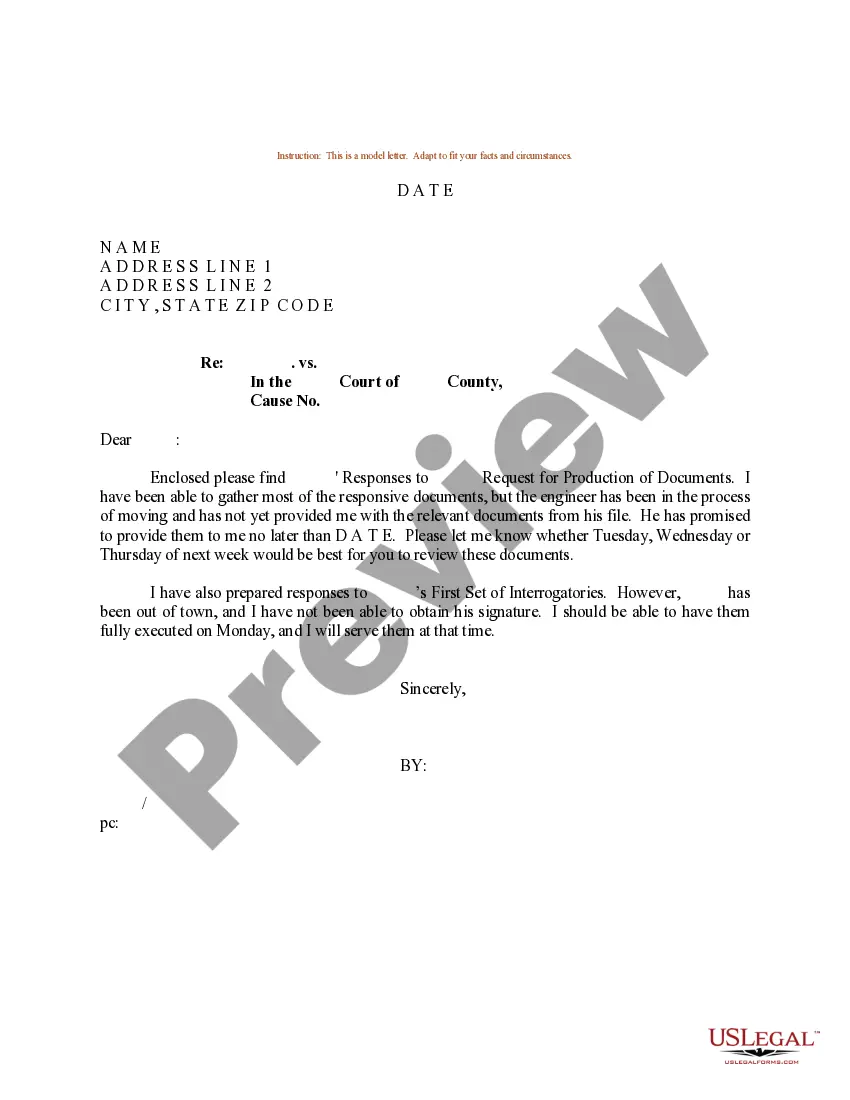
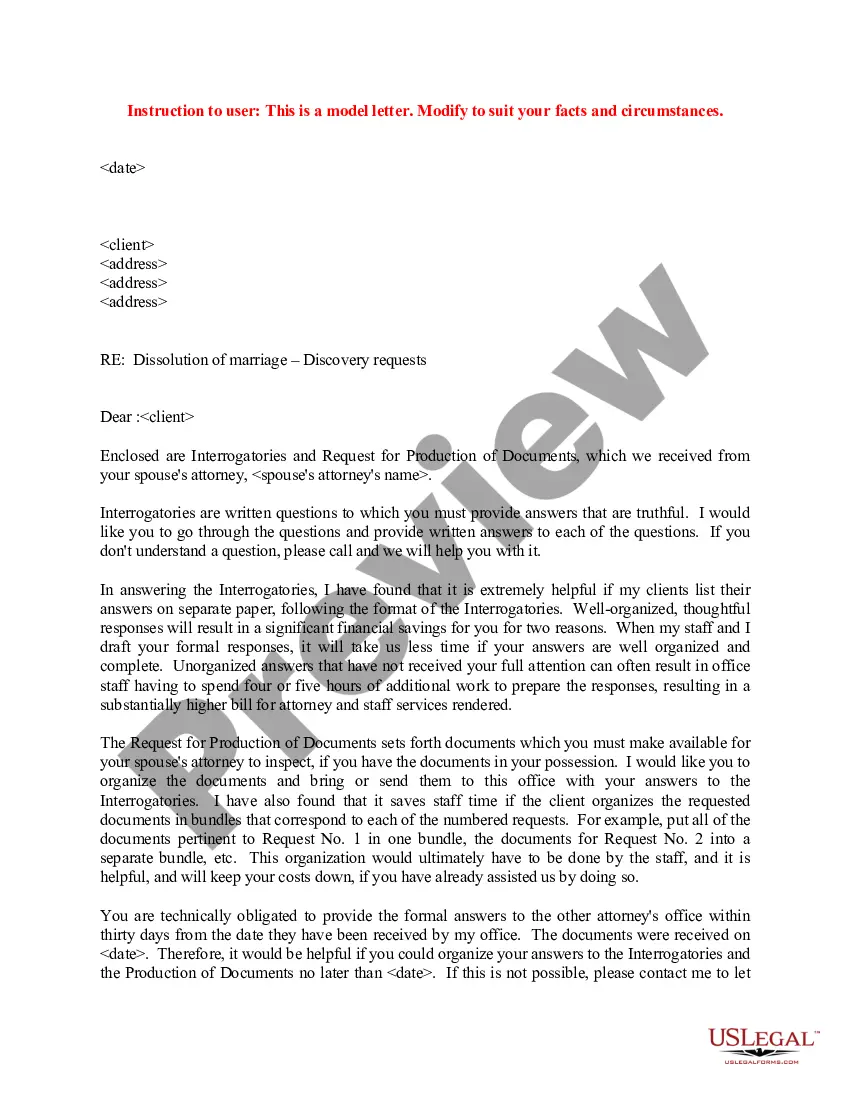
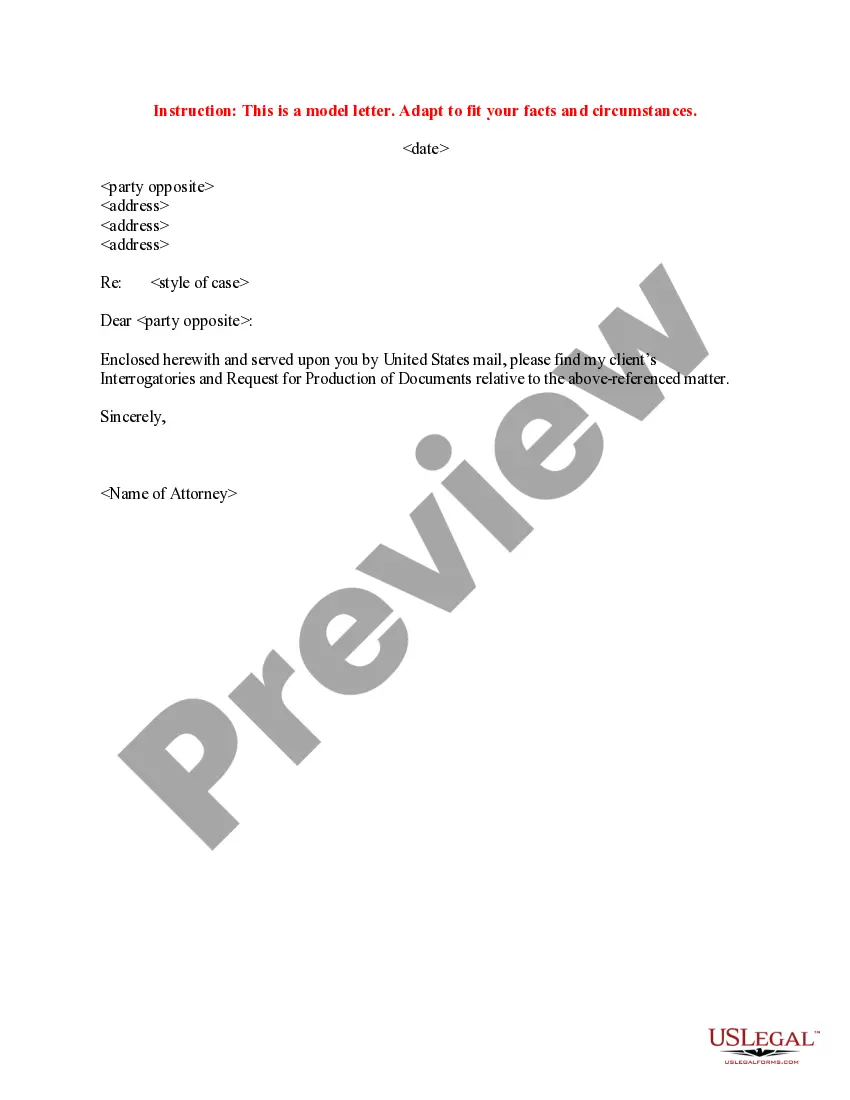
Get your form ready online
Our built-in tools help you complete, sign, share, and store your documents in one place.
Make edits, fill in missing information, and update formatting in US Legal Forms—just like you would in MS Word.
Download a copy, print it, send it by email, or mail it via USPS—whatever works best for your next step.
Sign and collect signatures with our SignNow integration. Send to multiple recipients, set reminders, and more. Go Premium to unlock E-Sign.
If this form requires notarization, complete it online through a secure video call—no need to meet a notary in person or wait for an appointment.
We protect your documents and personal data by following strict security and privacy standards.

Make edits, fill in missing information, and update formatting in US Legal Forms—just like you would in MS Word.

Download a copy, print it, send it by email, or mail it via USPS—whatever works best for your next step.

Sign and collect signatures with our SignNow integration. Send to multiple recipients, set reminders, and more. Go Premium to unlock E-Sign.

If this form requires notarization, complete it online through a secure video call—no need to meet a notary in person or wait for an appointment.

We protect your documents and personal data by following strict security and privacy standards.
Looking for another form?








Form popularity
FAQ
A: Medication that is taken on a daily basis for a period exceeding 6 months is defined as Chronic medication.
Your doctor needs to complete a Request for additional cover for approved Chronic Disease List conditions form and submit it for review. It is important to note that an appeals process does not guarantee an automatic approval for the additional cover.
Requirements: Two or more chronic conditions expected to last at least 12 months (or until the death of the patient) Patient consent (verbal or signed)
Many people struggle with this concept because it can become confusing. Acute medication is meant to be used for a short amount of time in order to treat an illness or condition that is short-term, usually less than a month. Whereas chronic medication is meant for several months to years.
You use discovery to get information or evidence from the other side in a lawsuit that will help you make your case. In order to get the information you need, you must make a request using a specific procedure and written format, within a specific timeframe.
Discovery is the formal process by which the parties to a case in court exchange information about the case. This includes information about the witnesses and evidence to be presented at trial. Its purpose is to make the parties aware of the evidence which may be presented at trial.
Undeniably, if you ignore a request for information, the other party will either ask again or pursue a court order that forces you to provide evidence. This request, a motion to compel, requires submitting a formal request to a judge and asking them to intervene and request information.
A 'Discovery Request' is a legal procedure where organizations are required to identify and disclose relevant data in response to a judicial order or legal proceeding. It involves finding and preserving information from individuals and business systems that may be pertinent to a transaction or dispute.
Provide a brief synopsis (two or three sentences) of the crux of the motion that you are bringing before the court. 2. Give a good explanation of the facts of the case. The relevant scope of your discovery depends on these facts.
Discovery requests typically follow a common format that you can mirror. First, list instructions detailing the request for production. Be sure to mention Rule 34 and Rule 26(b), which outline the scope of the discovery request. It's also necessary to include a section with definitions.

