Requesting Discovery Form Without A Lawyer In Virginia
Description
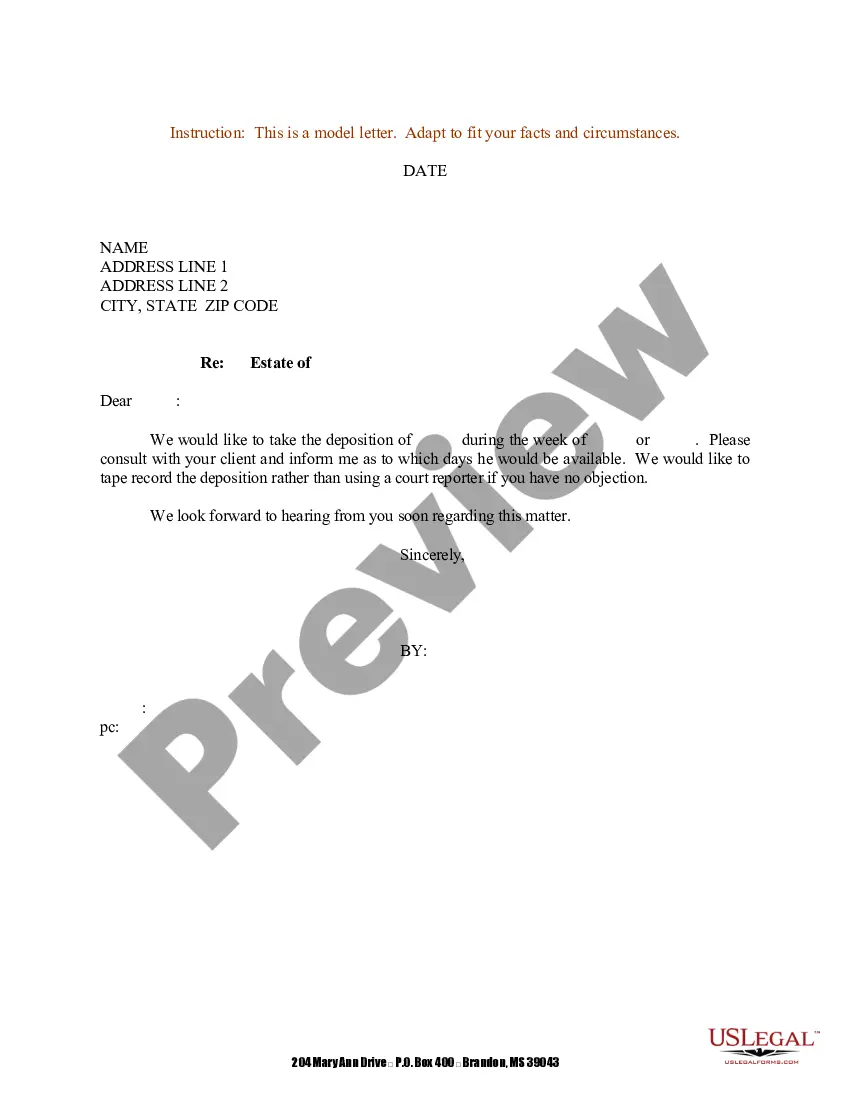
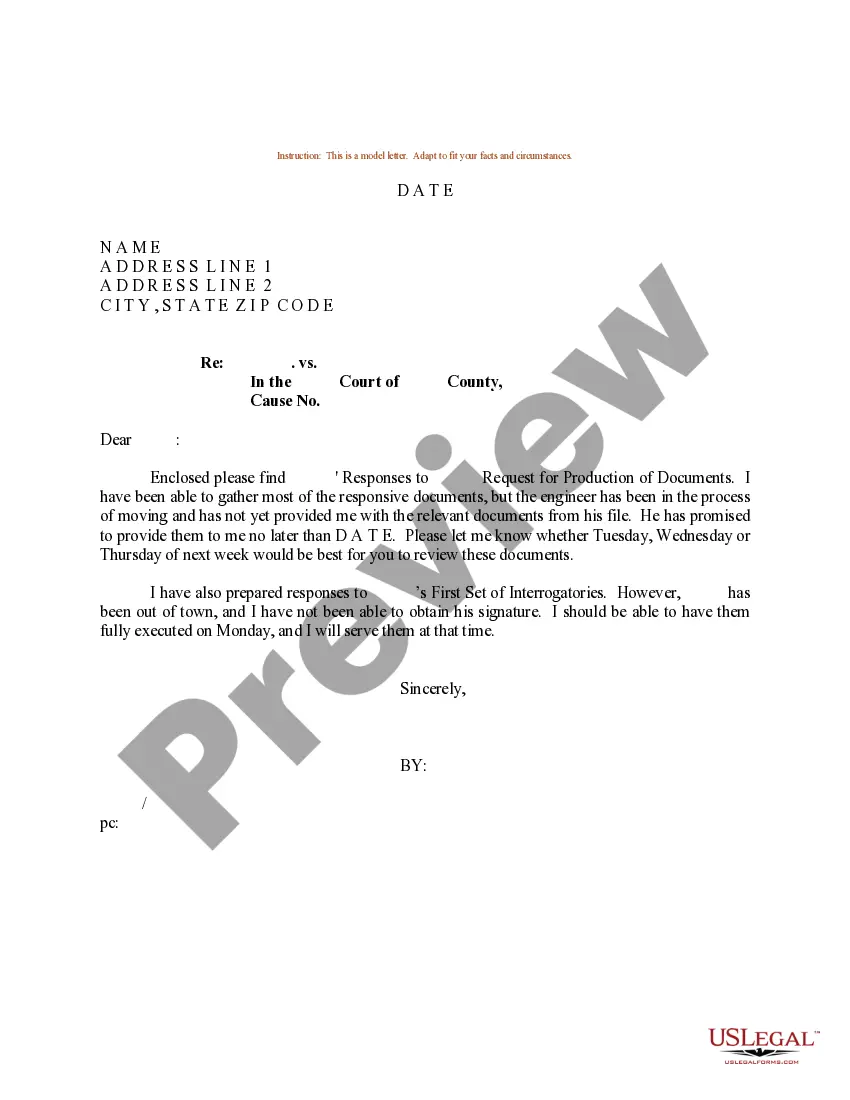
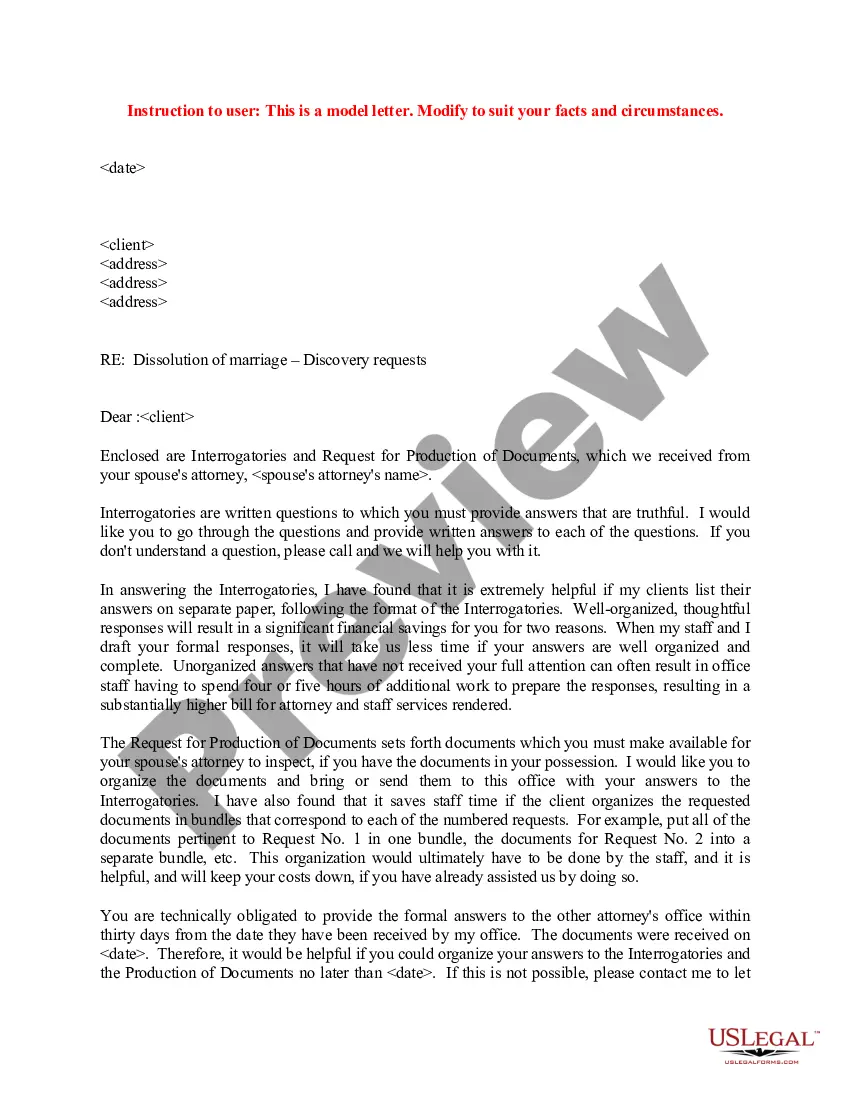
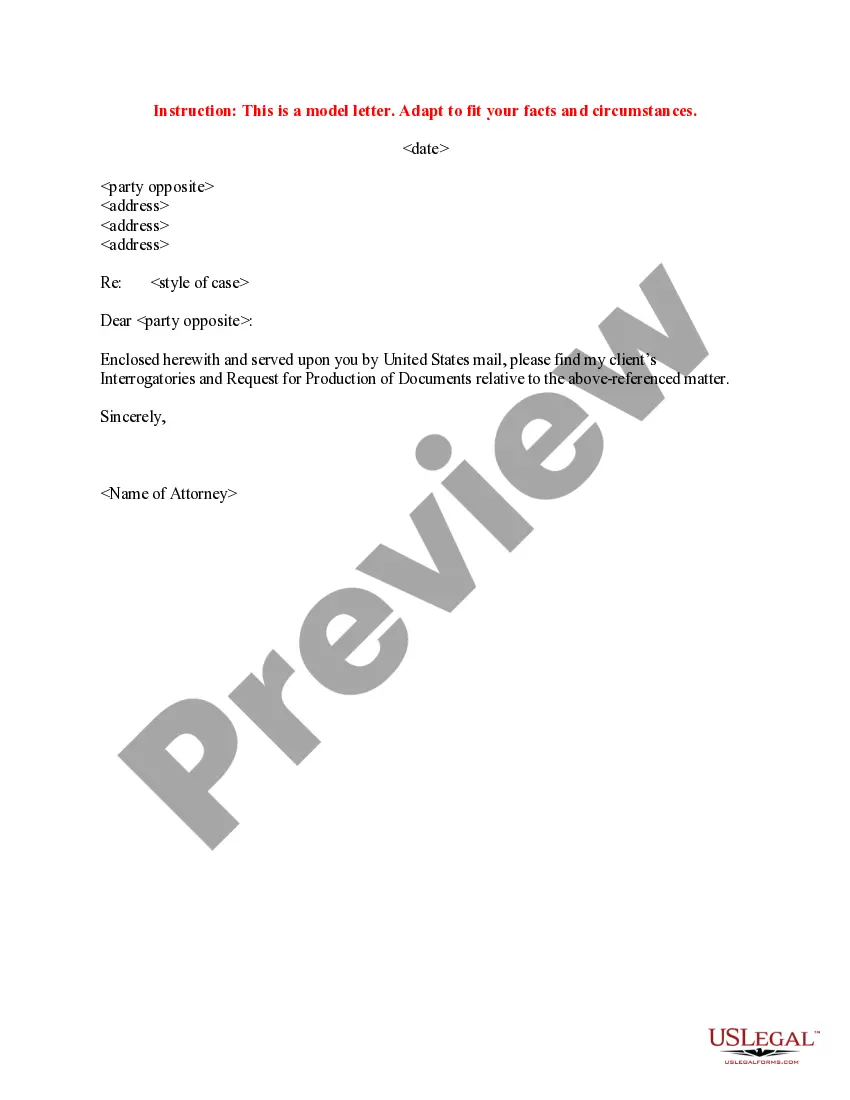
Get your form ready online
Our built-in tools help you complete, sign, share, and store your documents in one place.
Make edits, fill in missing information, and update formatting in US Legal Forms—just like you would in MS Word.
Download a copy, print it, send it by email, or mail it via USPS—whatever works best for your next step.
Sign and collect signatures with our SignNow integration. Send to multiple recipients, set reminders, and more. Go Premium to unlock E-Sign.
If this form requires notarization, complete it online through a secure video call—no need to meet a notary in person or wait for an appointment.
We protect your documents and personal data by following strict security and privacy standards.

Make edits, fill in missing information, and update formatting in US Legal Forms—just like you would in MS Word.

Download a copy, print it, send it by email, or mail it via USPS—whatever works best for your next step.

Sign and collect signatures with our SignNow integration. Send to multiple recipients, set reminders, and more. Go Premium to unlock E-Sign.

If this form requires notarization, complete it online through a secure video call—no need to meet a notary in person or wait for an appointment.

We protect your documents and personal data by following strict security and privacy standards.
Looking for another form?

Form popularity
FAQ
The parties shall complete discovery, including depositions, by 30 days before trial; however, depositions taken in lieu of live testimony at trial will be permitted until 15 days before trial.
You use discovery to get information or evidence from the other side in a lawsuit that will help you make your case. In order to get the information you need, you must make a request using a specific procedure and written format, within a specific timeframe.
I do not have a lawyer. How do I sue someone or file something with the court? Anyone can go to court without a lawyer. If you represent yourself in court, you will file all documents with the Clerk of the Court.
Under the Rules, a written motion must be filed to ask for discovery. It must be filed at least 10 days before trial. What Information Must the Prosecutor Provide? In general, discovery is limited to information that the prosecutor or local law enforcement has.
If you wish to start a civil action in federal court, but do not have an attorney to represent you, you may bring your case on your own. Bringing a case on your own is called proceeding "pro se". The Western District of Virginia has prepared a Pro Se Handbook specifically for the pro se litigant.
You start a lawsuit by filing a complaint. In some circumstances, you file a petition or a motion. The court has several complaint forms that you may use in drafting your complaint. The forms are available online and at the Pro Se Intake Unit.
In general, discovery is limited to information that the prosecutor or local law enforcement has. This is described as information “known to” or “in the possession of” the Commonwealth. The rules sometimes have added requirements such as showing the information is material (relevant to the case).
Requests for admissions and requests for interrogatories may have a page that requires a notarized signature. The original notarized signature should be provided with final answers to discovery to the requesting party. When answering requests for production of documents, copies of documents may be provided.
Each interrogatory shall be answered separately and fully in writing under oath, unless it is objected to, in which event the reasons for objection shall be stated in lieu of an answer. The answers are to be signed by the person making them, and the objections signed by the attorney making them.
