Requesting Discovery Form With Court In San Jose
Description
Get your form ready online
Our built-in tools help you complete, sign, share, and store your documents in one place.
Make edits, fill in missing information, and update formatting in US Legal Forms—just like you would in MS Word.
Download a copy, print it, send it by email, or mail it via USPS—whatever works best for your next step.
Sign and collect signatures with our SignNow integration. Send to multiple recipients, set reminders, and more. Go Premium to unlock E-Sign.
If this form requires notarization, complete it online through a secure video call—no need to meet a notary in person or wait for an appointment.
We protect your documents and personal data by following strict security and privacy standards.

Make edits, fill in missing information, and update formatting in US Legal Forms—just like you would in MS Word.

Download a copy, print it, send it by email, or mail it via USPS—whatever works best for your next step.

Sign and collect signatures with our SignNow integration. Send to multiple recipients, set reminders, and more. Go Premium to unlock E-Sign.

If this form requires notarization, complete it online through a secure video call—no need to meet a notary in person or wait for an appointment.

We protect your documents and personal data by following strict security and privacy standards.
Looking for another form?

Form popularity
FAQ
The discovery process can be divided into two stages: data collection and data processing. The stages are subdivided into phases. Topology deduction takes place during the data processing stage, as the information from the data collection stage is analyzed, interpreted and processed by the stitchers.
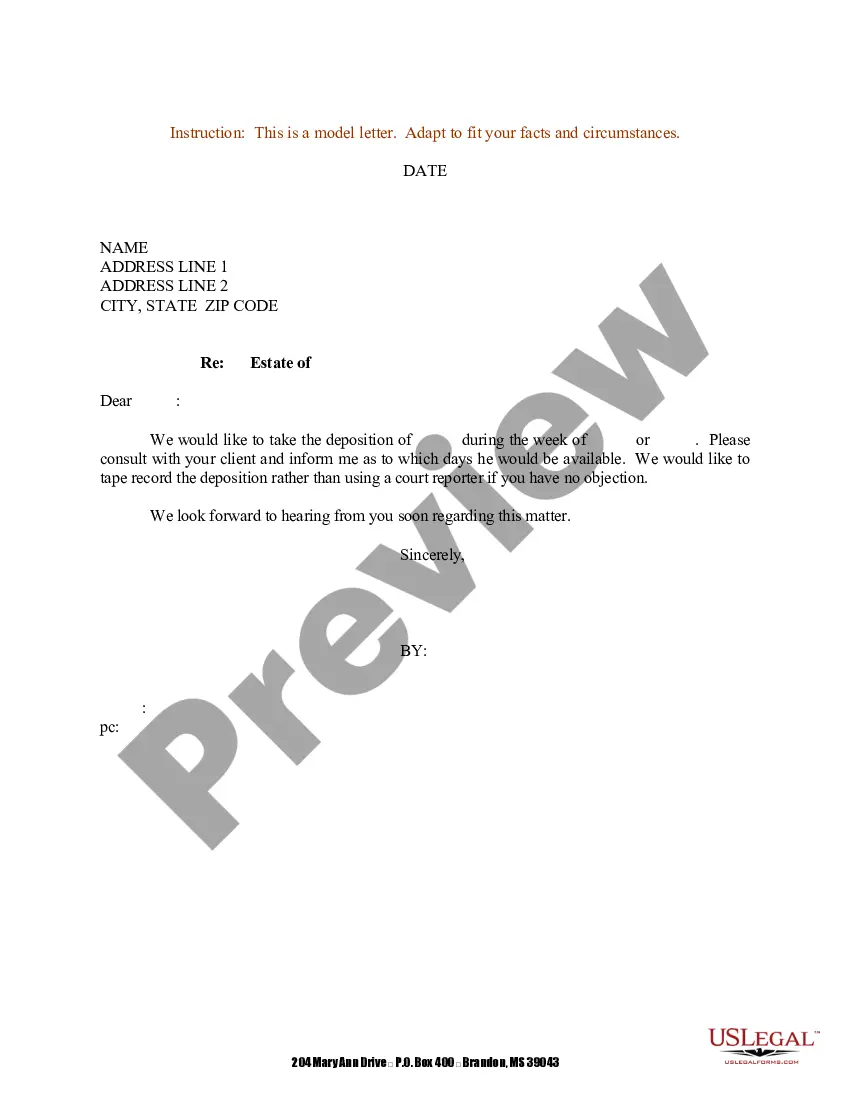
How Does Discovery Work? There are four main types of discovery requests: (1) depositions; (2) interrogatories; (3) requests for admissions; and (4) requests for the production of documents. Depositions are formal witness interviews.
In the United States, there are five basic forms of discovery: depositions, interrogatories, requests for production of documents (or permission to inspect), physical and mental examinations, and requests for admission.
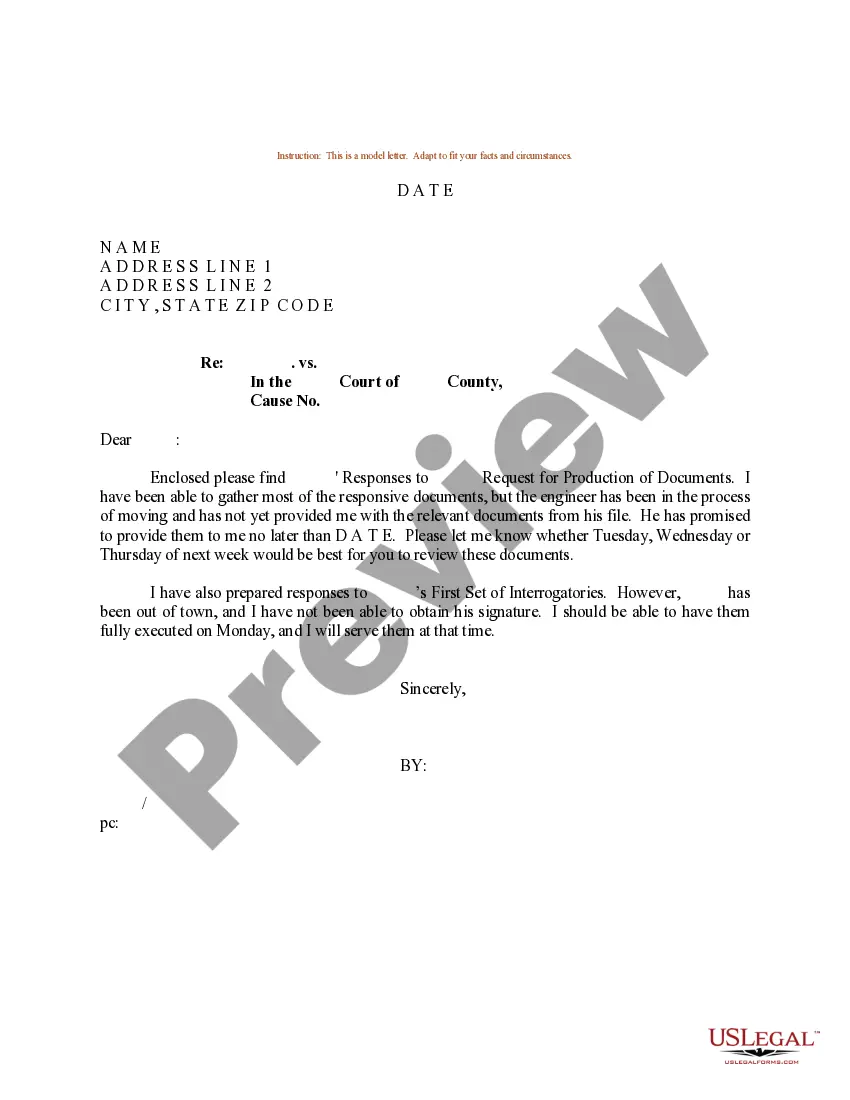
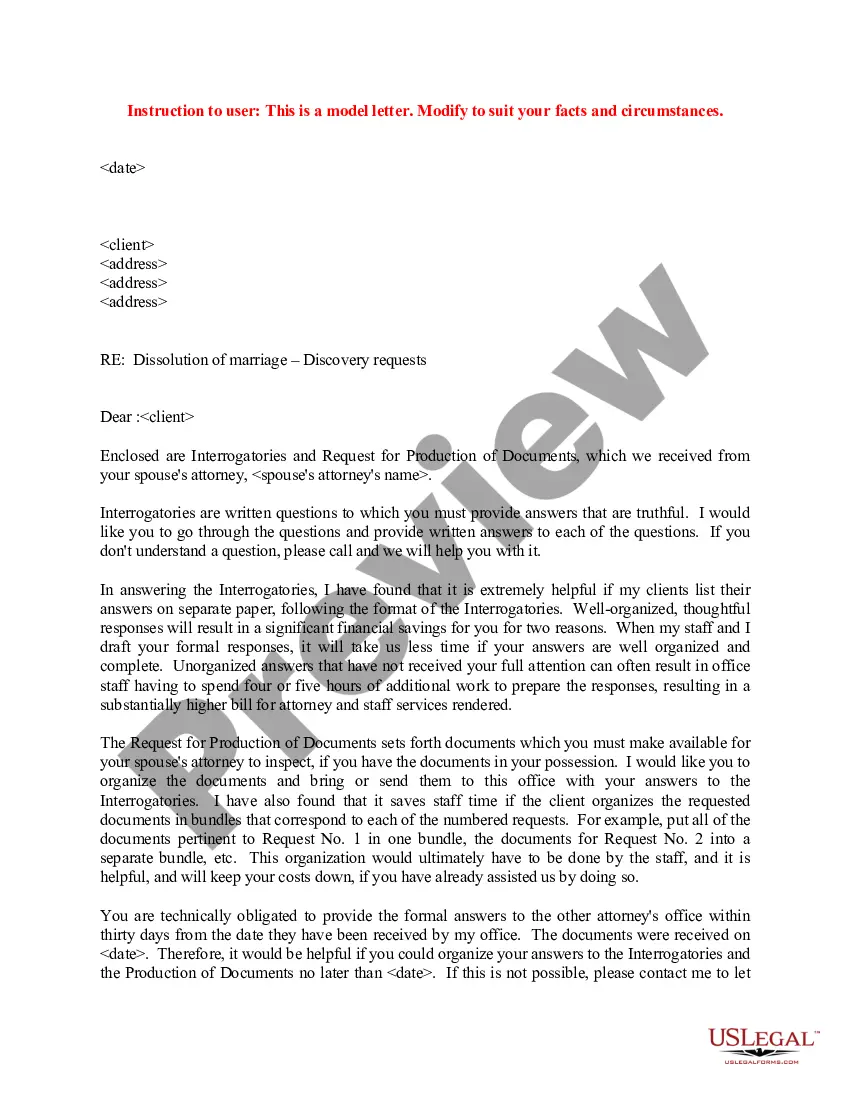
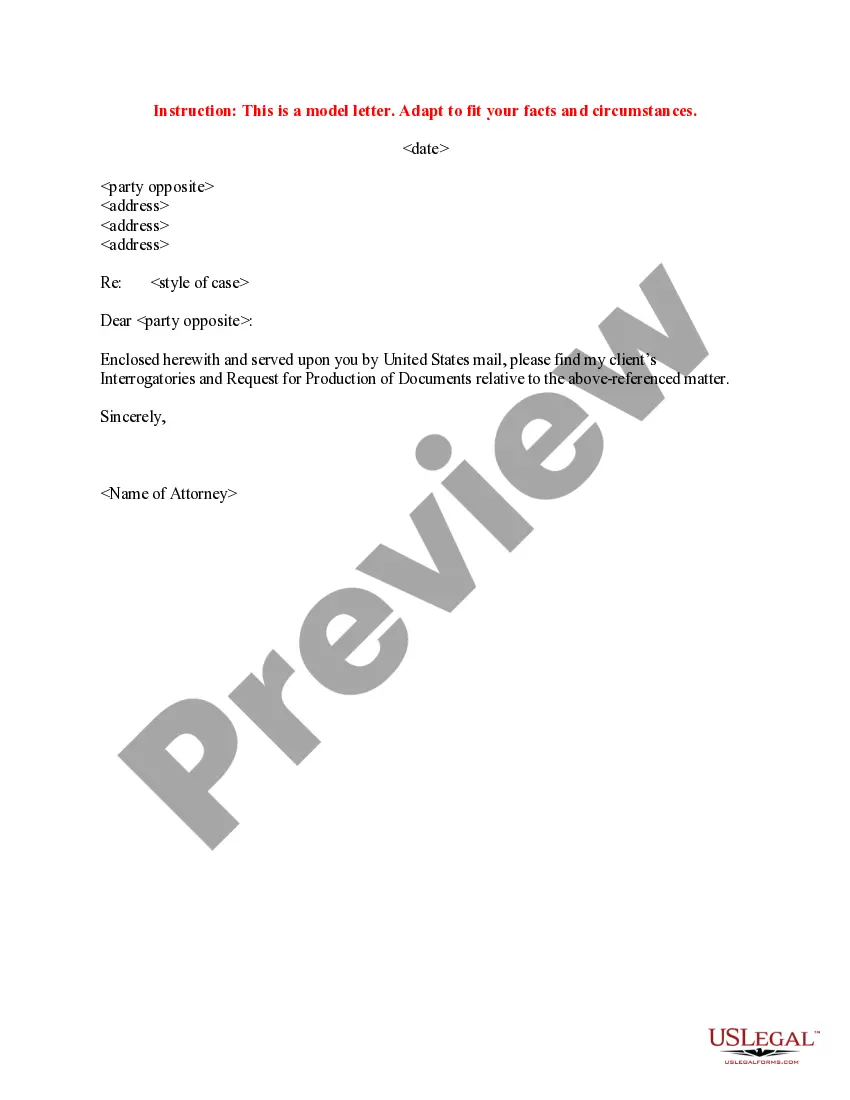
(a) A defendant may propound interrogatories to a party to the action without leave of court at any time. (b) A plaintiff may propound interrogatories to a party without leave of court at any time that is 10 days after the service of the summons on, or appearance by, that party, whichever occurs first.
The Benefits of Discovery for Both Plaintiffs and Defendants Helps plaintiffs and defendants understand the legal issues at play in the case and better prepare for trial. During discovery, each party can obtain facts from the other through requests for admission, interrogatories, documents, depositions, and more.
Discovery learning strategy is a strategy in which the students are not given the content of the lesson in the beginning of the study, but they have to find it by themselves through the six stages namely stimulation, problem statement, data collection, data processing, verification, and generalization.
How Does Discovery Work? There are four main types of discovery requests: (1) depositions; (2) interrogatories; (3) requests for admissions; and (4) requests for the production of documents. Depositions are formal witness interviews.
A discovery plan is an essential part of effectively implementing the best use of formal and informal discovery methods. You need a good road map. A litigation discovery plan provides the scope of discovery and a timeline for implementing the discovery to support legal theories, remedies and to counter defenses.
During the discovery process, parties to a lawsuit may use a variety of tools to obtain information, including written interrogatories, depositions, requests for admissions, and requests for production of documents. The specific discovery tools used will depend on the nature of the case and the issues involved.

