Requesting Discovery Form With Two Points In Nassau
Description
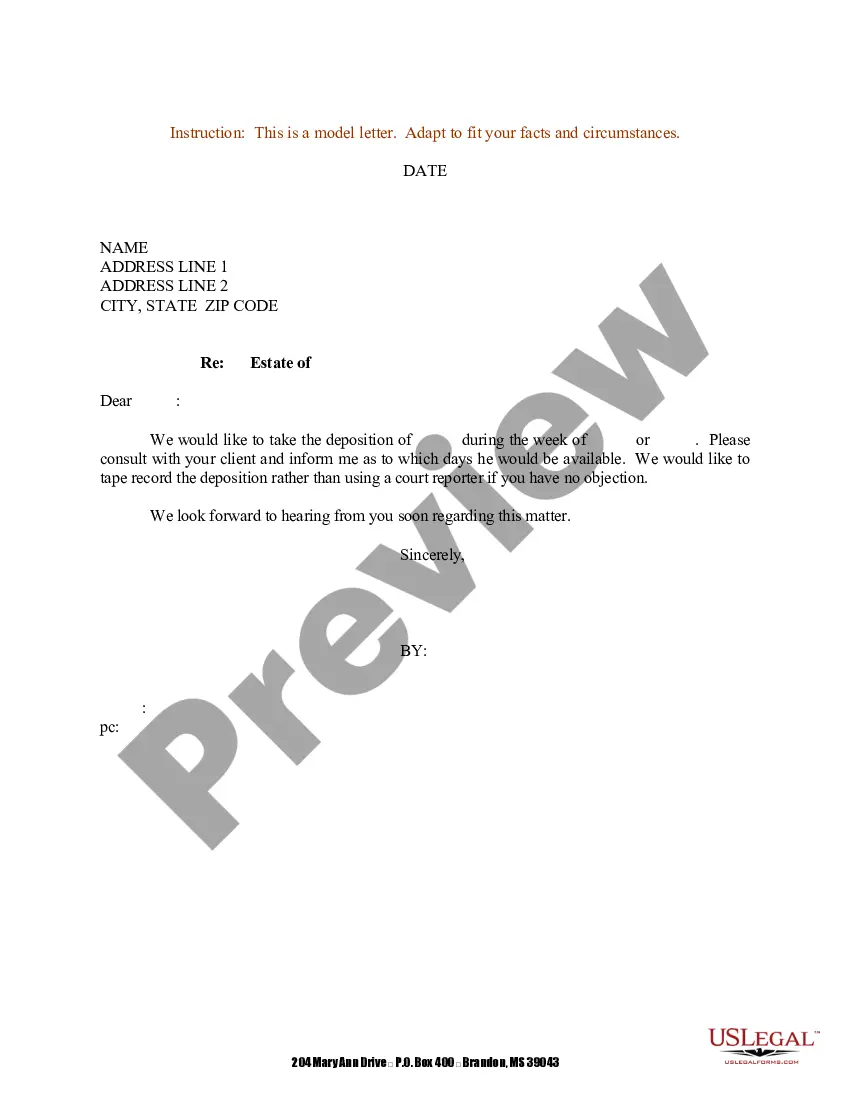
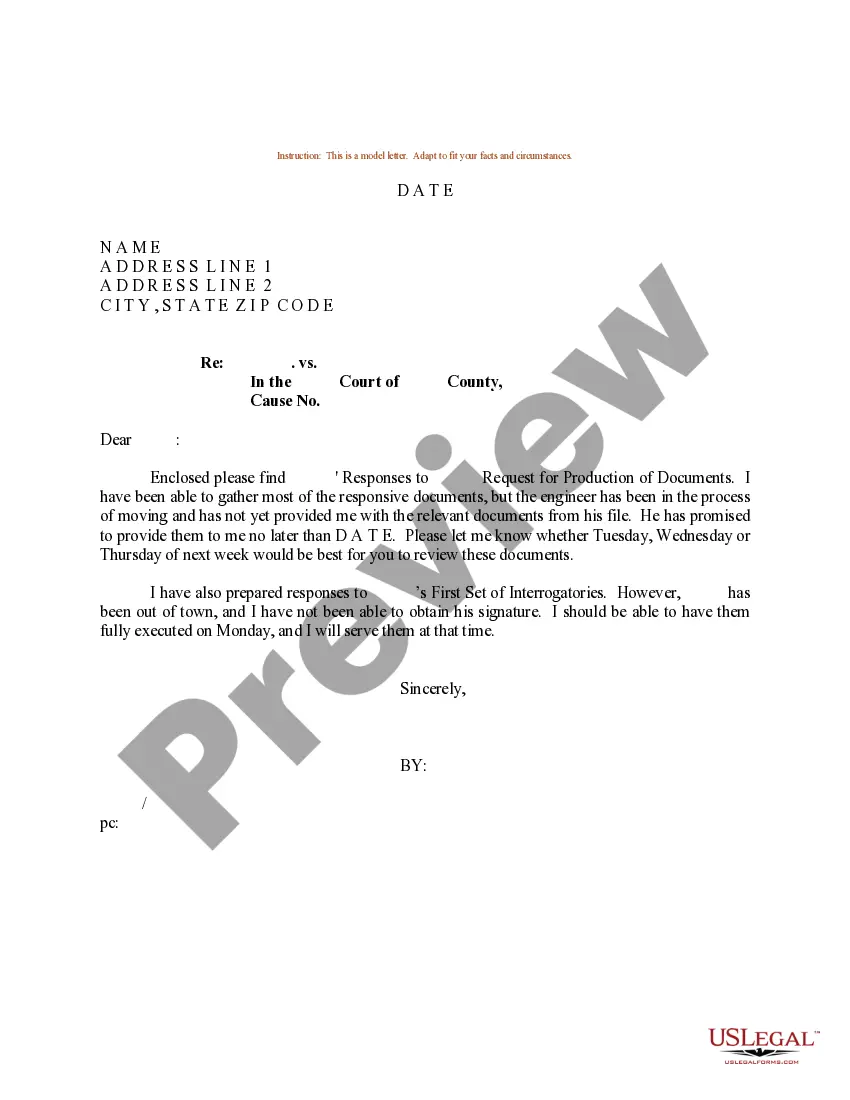
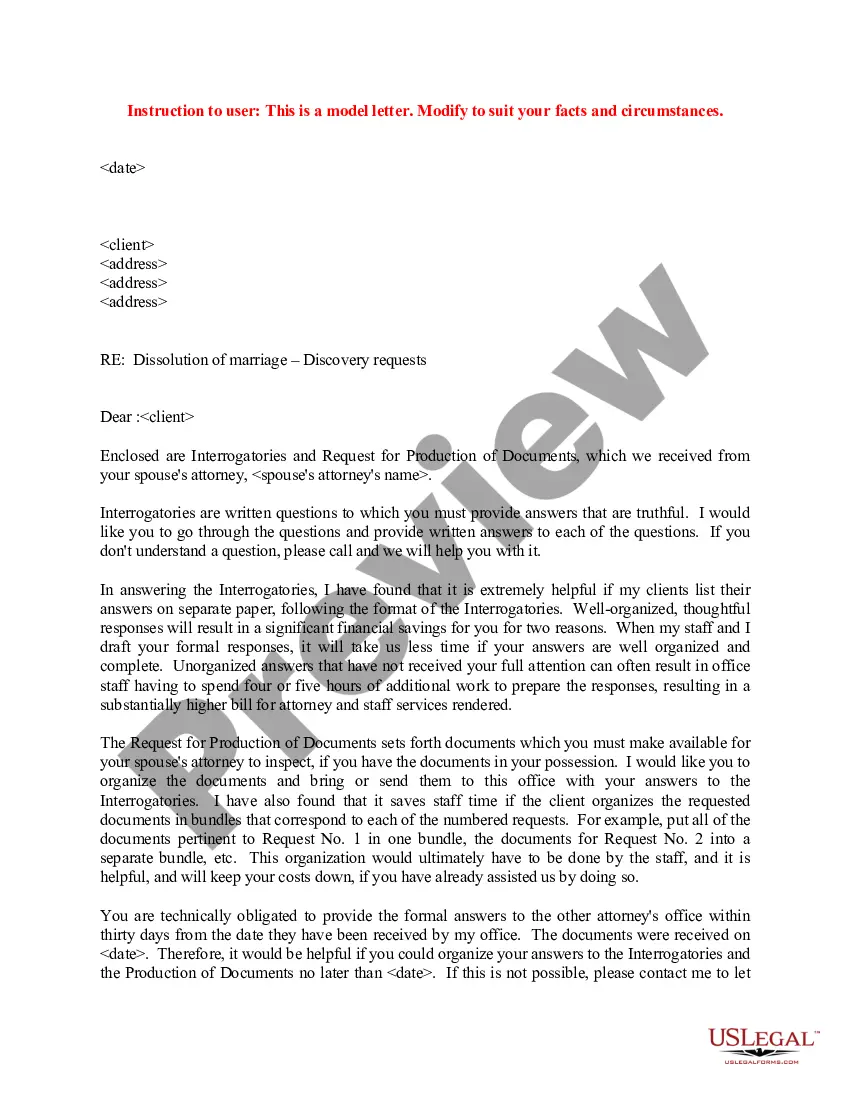
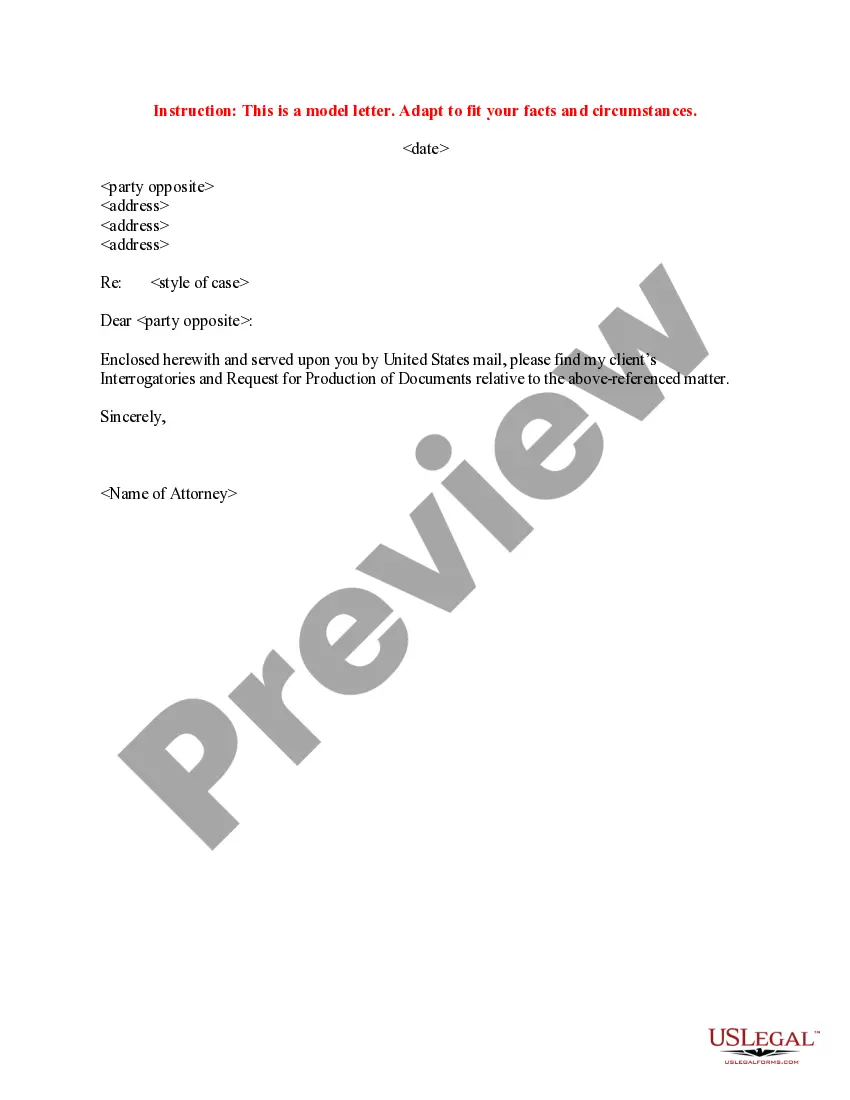
Get your form ready online
Our built-in tools help you complete, sign, share, and store your documents in one place.
Make edits, fill in missing information, and update formatting in US Legal Forms—just like you would in MS Word.
Download a copy, print it, send it by email, or mail it via USPS—whatever works best for your next step.
Sign and collect signatures with our SignNow integration. Send to multiple recipients, set reminders, and more. Go Premium to unlock E-Sign.
If this form requires notarization, complete it online through a secure video call—no need to meet a notary in person or wait for an appointment.
We protect your documents and personal data by following strict security and privacy standards.

Make edits, fill in missing information, and update formatting in US Legal Forms—just like you would in MS Word.

Download a copy, print it, send it by email, or mail it via USPS—whatever works best for your next step.

Sign and collect signatures with our SignNow integration. Send to multiple recipients, set reminders, and more. Go Premium to unlock E-Sign.

If this form requires notarization, complete it online through a secure video call—no need to meet a notary in person or wait for an appointment.

We protect your documents and personal data by following strict security and privacy standards.
Looking for another form?










Form popularity
FAQ
Supplemental discovery is additional stuff or evidence that the Stste has discovered. Whether the new additional evidence is good or bad depends on what it is. He should talk to his lawyer. His release is up to the judge.
When Is Discovery Available? In New York Supreme Court actions (other than actions in the Commercial Division) discovery is generally available after the defendant interposes its answer. If the defendant serves a pre-answer motion to dismiss, however, then discovery is generally stayed until that motion is decided.
22 CRR-NY 202.8-CRR (2) reply affidavits, affirmations, and memoranda shall be no more than 4,200 words and shall not contain any arguments that do not respond or relate to those made in the memoranda in chief.
Generally, the prosecution must provide discovery within a set period after the defense's formal request, often ranging from a few weeks to several months. Evidence should be available to the defense either at the preliminary hearing or after the accused has been indicted by a grand jury.
When Is Discovery Available? In New York Supreme Court actions (other than actions in the Commercial Division) discovery is generally available after the defendant interposes its answer. If the defendant serves a pre-answer motion to dismiss, however, then discovery is generally stayed until that motion is decided.
The rule acknowledges that victims cannot sue for damages they are unaware of, and it adjusts the legal timeline ingly. This rule, however, is not without its limits. New York law specifies certain conditions under which the discovery rule applies, and understanding these specifics is crucial.
Interrogatories are a form of discovery requiring a party to file written answers to questions submitted to that party.

