Requesting Discovery Form With Decimals In Montgomery
Description
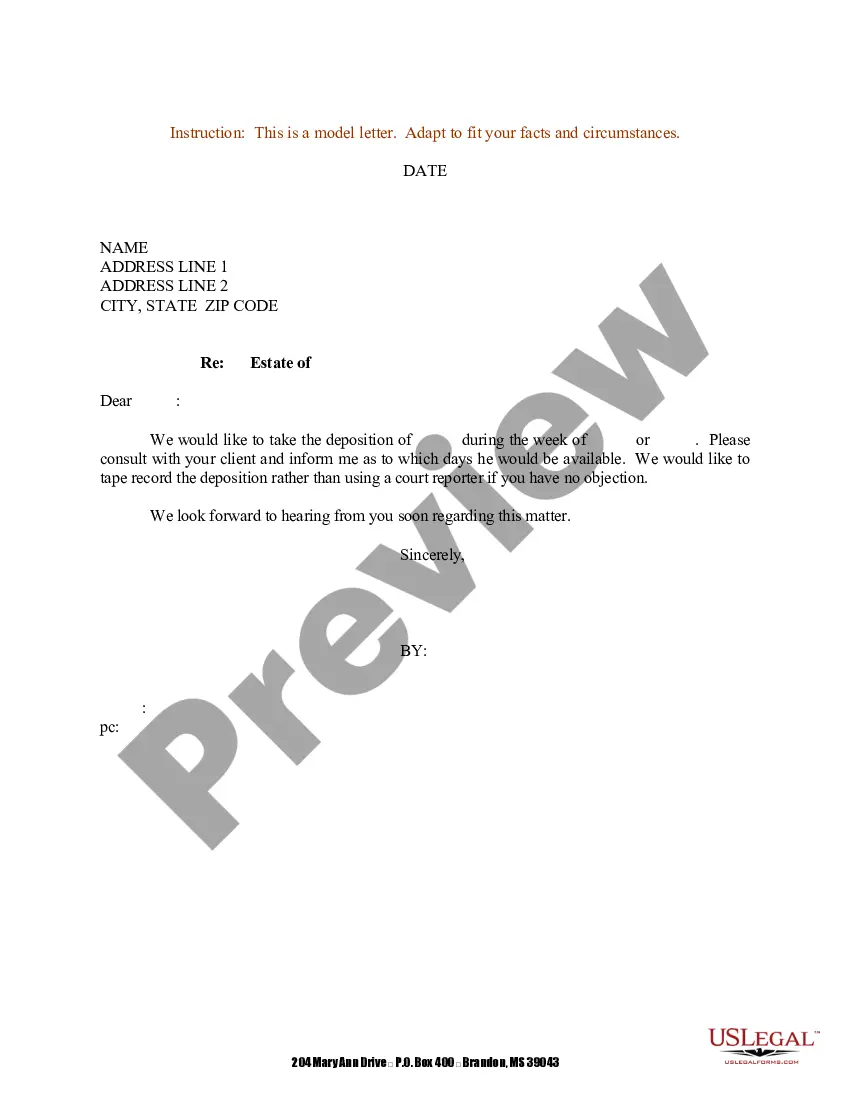
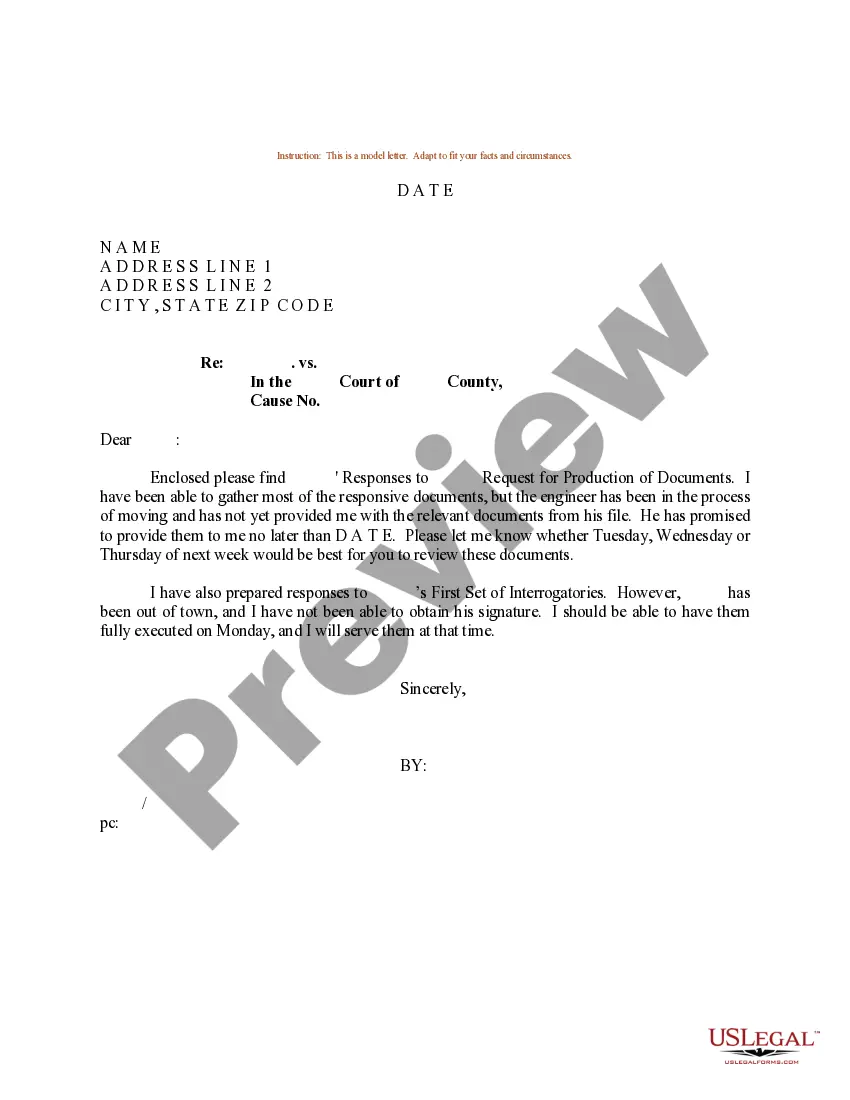
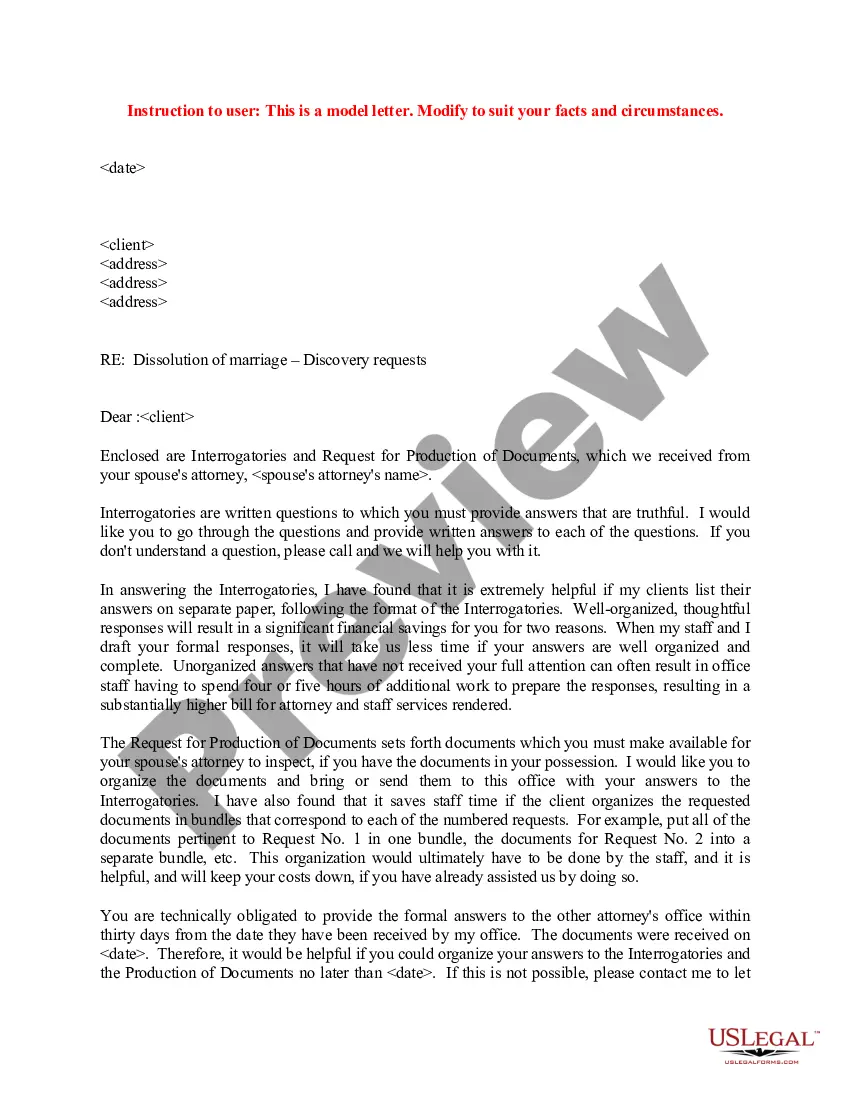
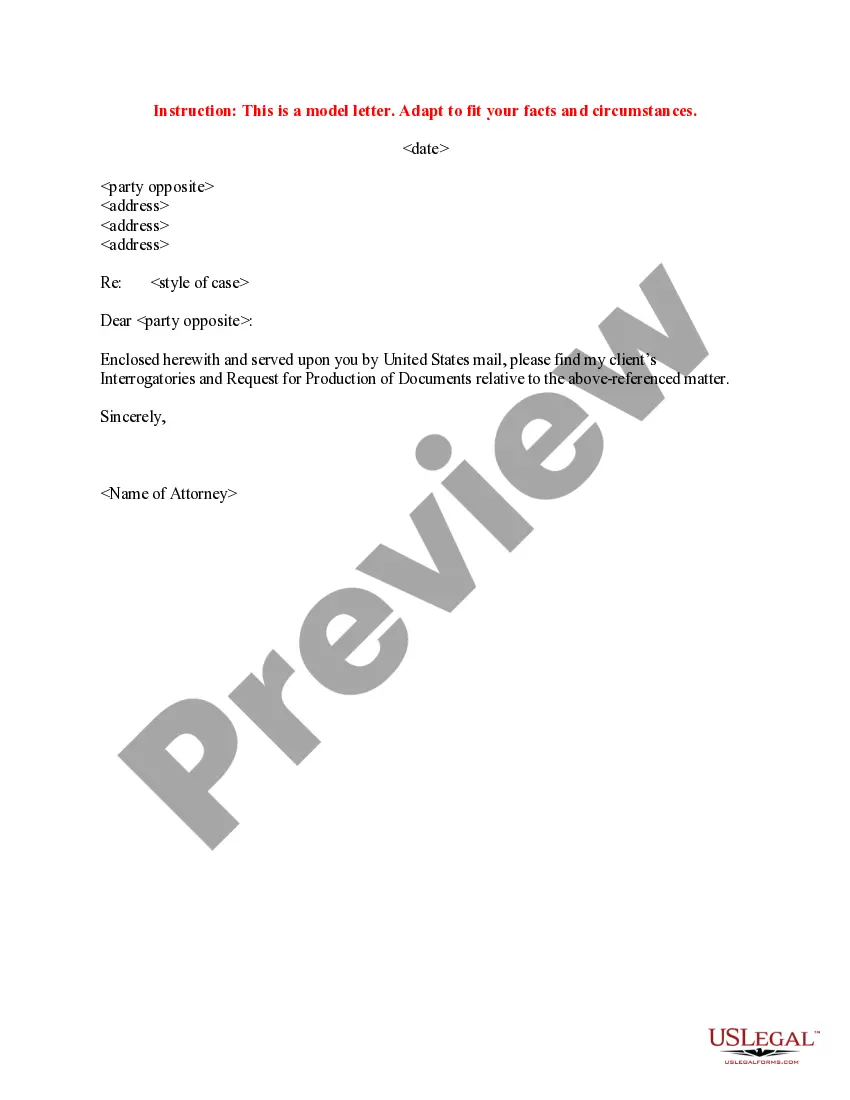
Get your form ready online
Our built-in tools help you complete, sign, share, and store your documents in one place.
Make edits, fill in missing information, and update formatting in US Legal Forms—just like you would in MS Word.
Download a copy, print it, send it by email, or mail it via USPS—whatever works best for your next step.
Sign and collect signatures with our SignNow integration. Send to multiple recipients, set reminders, and more. Go Premium to unlock E-Sign.
If this form requires notarization, complete it online through a secure video call—no need to meet a notary in person or wait for an appointment.
We protect your documents and personal data by following strict security and privacy standards.

Make edits, fill in missing information, and update formatting in US Legal Forms—just like you would in MS Word.

Download a copy, print it, send it by email, or mail it via USPS—whatever works best for your next step.

Sign and collect signatures with our SignNow integration. Send to multiple recipients, set reminders, and more. Go Premium to unlock E-Sign.

If this form requires notarization, complete it online through a secure video call—no need to meet a notary in person or wait for an appointment.

We protect your documents and personal data by following strict security and privacy standards.
Looking for another form?



Form popularity
FAQ
Write out each fact you wish the other party to admit is true. When writing these facts, be as clear and concise as possible. Each request must be for a single fact; do not include multiple facts, compound questions, or subparts.
Examples of Discovery in Law: What Can Be Discovered anything a witness or party saw, heard, or did in connection with the dispute. anything anyone said at a particular time and place (for example, in a business meeting related to the dispute or after a car accident that turned into a lawsuit)
Can You Refuse Discovery In Any Instances? The Interrogatory Is Vague, Overly Broad, and Unduly Burdensome. The Request Is Irrelevant or Not Pertinent to the Matter at Hand. The Information Is Public and Available to Everyone. The Interrogatory Forces a Conclusion. A Violation of Attorney–Client Privilege.
You must respond to each request individually. You do not need to repeat the text of the question, but your responses must be in the same order as the requests, and each response should be labeled with the same number or letter as the request.

