Requesting Discovery Form For Work In Montgomery
Description
Get your form ready online
Our built-in tools help you complete, sign, share, and store your documents in one place.
Make edits, fill in missing information, and update formatting in US Legal Forms—just like you would in MS Word.
Download a copy, print it, send it by email, or mail it via USPS—whatever works best for your next step.
Sign and collect signatures with our SignNow integration. Send to multiple recipients, set reminders, and more. Go Premium to unlock E-Sign.
If this form requires notarization, complete it online through a secure video call—no need to meet a notary in person or wait for an appointment.
We protect your documents and personal data by following strict security and privacy standards.

Make edits, fill in missing information, and update formatting in US Legal Forms—just like you would in MS Word.

Download a copy, print it, send it by email, or mail it via USPS—whatever works best for your next step.

Sign and collect signatures with our SignNow integration. Send to multiple recipients, set reminders, and more. Go Premium to unlock E-Sign.

If this form requires notarization, complete it online through a secure video call—no need to meet a notary in person or wait for an appointment.

We protect your documents and personal data by following strict security and privacy standards.
Looking for another form?
Form popularity
FAQ
A motion to compel asks the court to order the opposing party to respond to discovery by a certain date. These motions are typically acts of last resort, which you should save for when your opponent fails to respond to any of your requests.
Requirements for Motion – The following requirements must be fulfilled for a proper motion to compel interrogatories: Identify the interrogatories in question by name and set number. CRC 3.1345(d). Meet and Confer Declaration Required. CCP 2030.300(b). Separate Statement Required. CRC 3.1345(a)(2).
Motions to compel are often necessary to set the tone in your case and acquire the documents and information you need to win your case. Grounds: When a party who has propounded discovery believes the responses are inadequate, the propounding party may move for a motion to compel a further response.
Some of the simple tactics to follow while filing a motion to compel: Act in good Faith. The State and Federal Rules of Civil Procedure require parties to meet and confer before bringing a motion to compel. Thorough Knowledge of the Case. Limit citing voluminous authorities. Avoid Personal Attacks.
A party may obtain discovery regarding any matter, not privileged, including the existence, description, nature, custody, condition, and location of any documents or other tangible things and the identity and location of persons having knowledge of any discoverable matter, if the matter sought is relevant to the ...
This motion is particularly relevant under the California Penal Code 1054, which governs the discovery process in criminal cases. The purpose of this motion is to request an order from a judge that compels the prosecution to provide specific evidence or information pertinent to the defense of the accused.
A party may obtain discovery regarding any matter, not privileged, including the existence, description, nature, custody, condition, and location of any documents or other tangible things and the identity and location of persons having knowledge of any discoverable matter, if the matter sought is relevant to the ...
Seek a protective order from the court pursuant to Rule 2-403, which allows a court to enter an order that protects a party from annoyance, embarrassment, oppression, or undue burden or expense related to the discovery request.
In a limited civil case (cases less than $25,000, or $35,000 if filed after Jan. 1, 2024) you may ask each party only 35 questions total, whether they are form interrogatories, special interrogatories, requests for admission, or requests for production of documents.
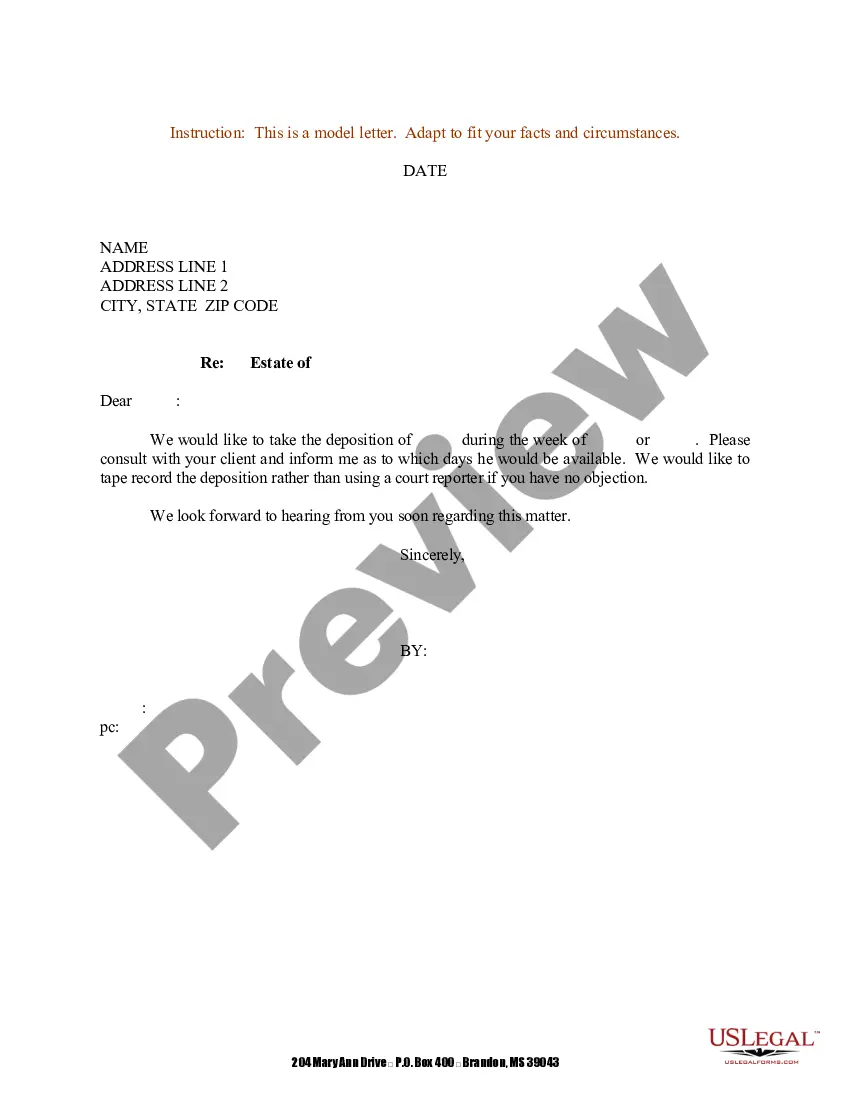
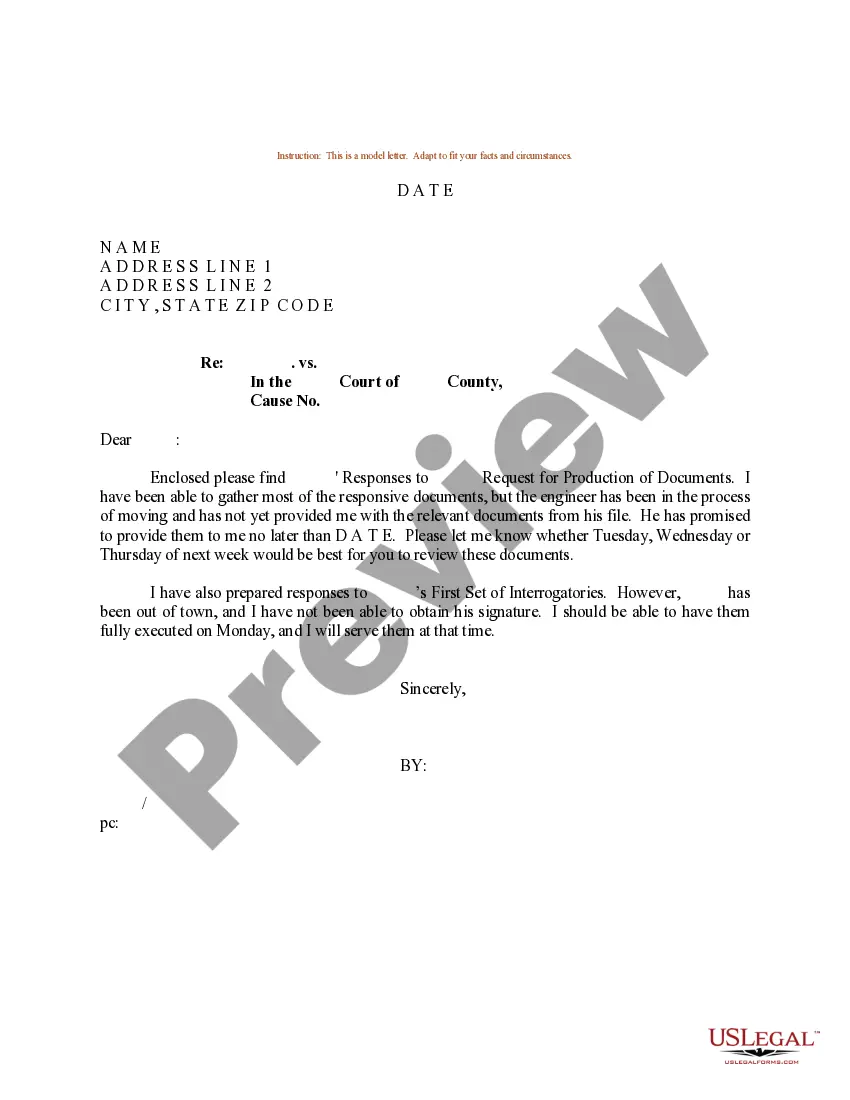
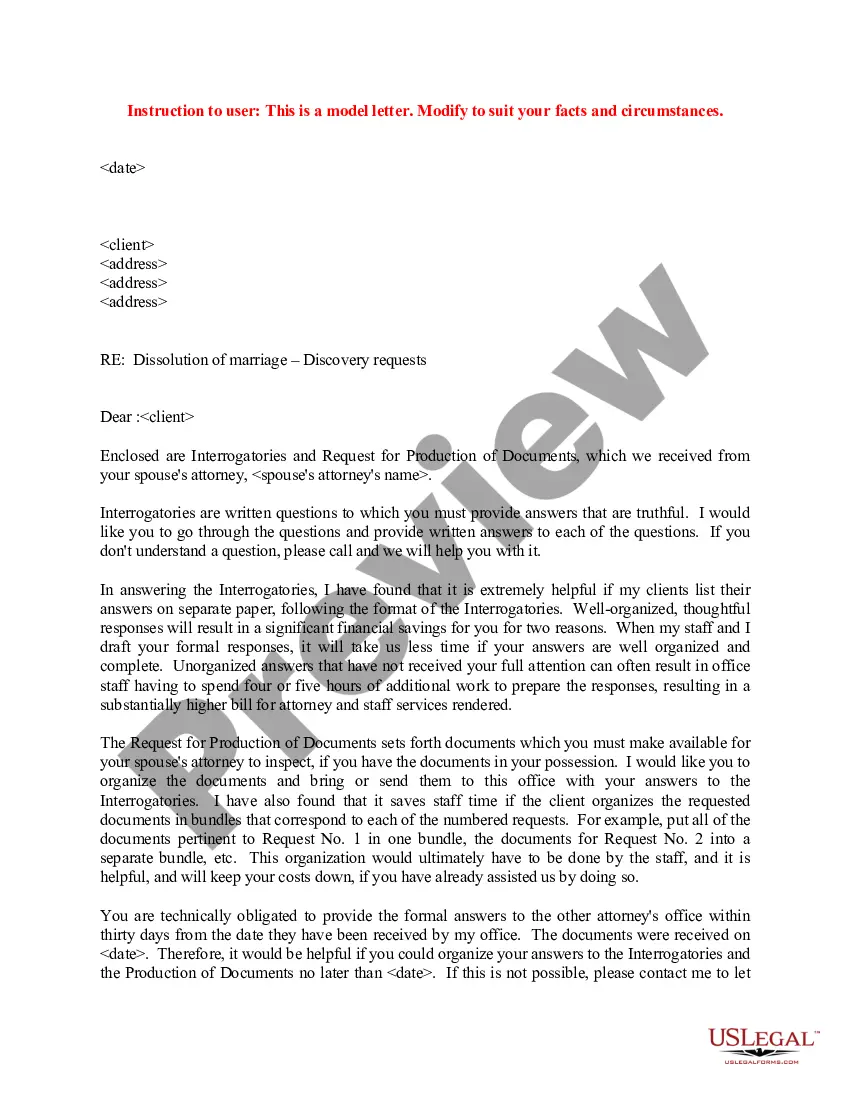
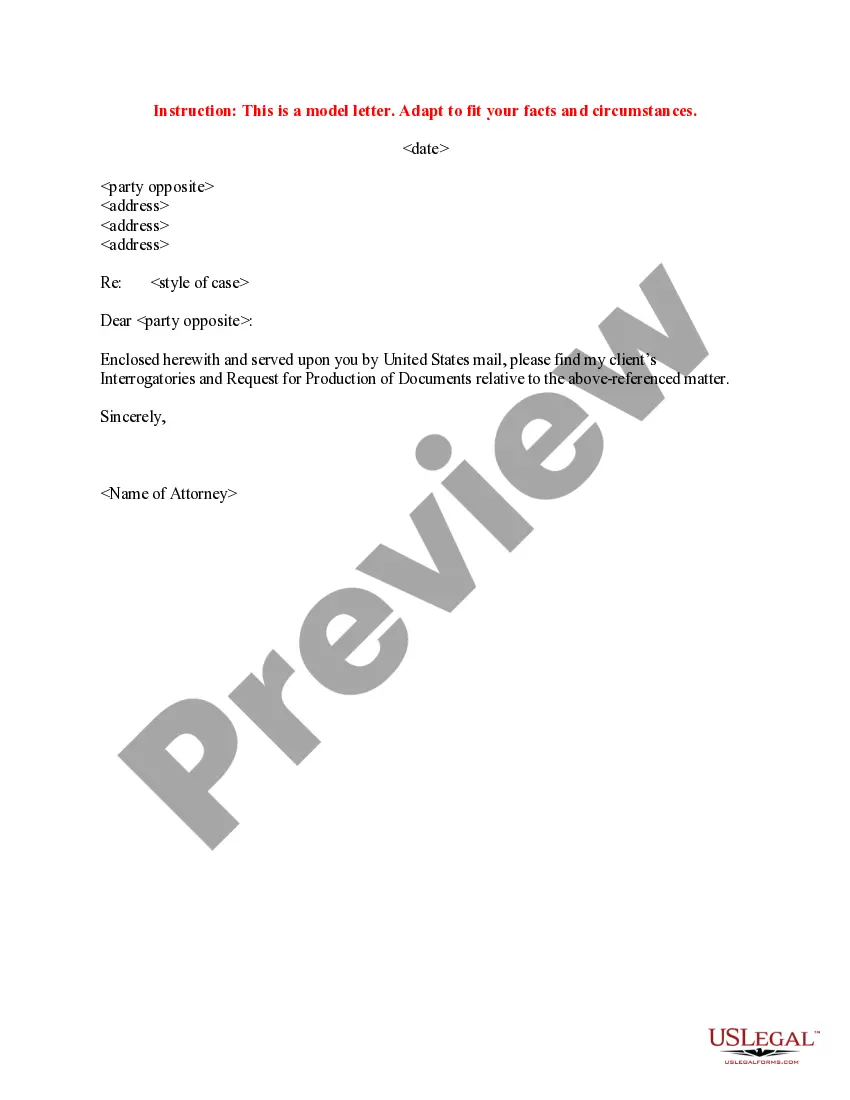
Discovery refers to the process of getting information from another party (a Plaintiff or a Defendant) before trial. Discovery is a legal tool each party can use to strengthen their case. Through discovery you may receive new information and documents. You may be able to use those documents as evidence at trial.

