Requesting Discovery Form For Divorce In Minnesota
Description
Get your form ready online
Our built-in tools help you complete, sign, share, and store your documents in one place.
Make edits, fill in missing information, and update formatting in US Legal Forms—just like you would in MS Word.
Download a copy, print it, send it by email, or mail it via USPS—whatever works best for your next step.
Sign and collect signatures with our SignNow integration. Send to multiple recipients, set reminders, and more. Go Premium to unlock E-Sign.
If this form requires notarization, complete it online through a secure video call—no need to meet a notary in person or wait for an appointment.
We protect your documents and personal data by following strict security and privacy standards.

Make edits, fill in missing information, and update formatting in US Legal Forms—just like you would in MS Word.

Download a copy, print it, send it by email, or mail it via USPS—whatever works best for your next step.

Sign and collect signatures with our SignNow integration. Send to multiple recipients, set reminders, and more. Go Premium to unlock E-Sign.

If this form requires notarization, complete it online through a secure video call—no need to meet a notary in person or wait for an appointment.

We protect your documents and personal data by following strict security and privacy standards.
Looking for another form?






Form popularity
FAQ
Minnesota is an equitable distribution state. This does not necessarily mean a 50-50 settlement of everything. But the law presumes that all assets and debts acquired during the marriage will be divided equitably, including: Your house and other real estate.
Motions to Compel. If a party fails to comply with an approved request for discovery or a request for documents under Rule 361.02, the party requesting the discovery may serve and file a motion for an order compelling an answer or compliance with the discovery request.
Summary Dissolution to Get Divorced Quickly In Minnesota, the legal word for divorce is dissolution, and there are two types: regular and summary. Summary dissolution is a fast track to divorce, allowing you to finalize your divorce in as little as one month.
Rule 69. In aid of the judgment or execution, the judgment creditor, or successor in interest when that interest appears of record, may obtain discovery from any person, including the judgment debtor, in the manner provided by these rules.
Rule 60. Clerical mistakes in judgments, orders, or other parts of the record and errors therein arising from oversight or omission may be corrected by the court at any time upon its own initiative or on the motion of any party and after such notice, if any, as the court orders.
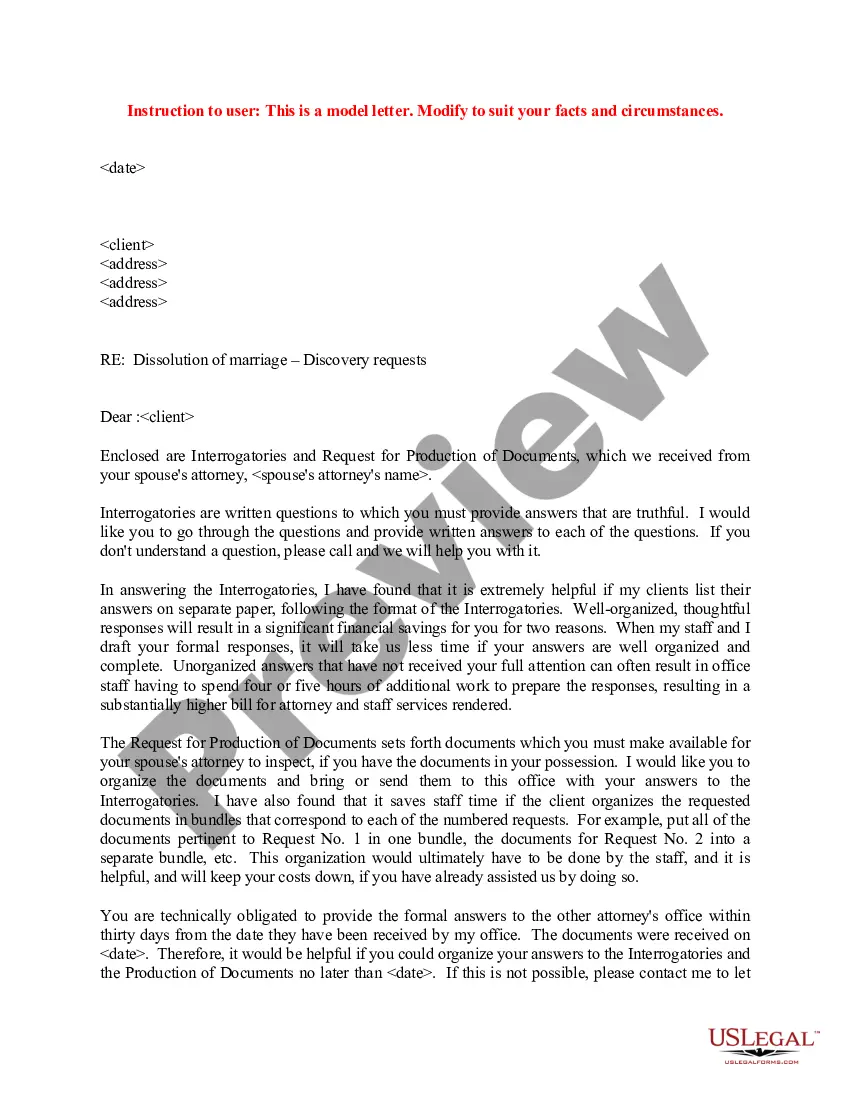
Discovery allows you to get information and evidence from the other party or other persons you can use in your lawsuit.
Summons and Petition The forms that are used in Minnesota to start a divorce when both parties are not willing or able to sign a Joint Petition.
A discovery is recognizing something that already exists for the first time, that nobody has found before, e.g. how Christopher Columbus discovered the Americas.
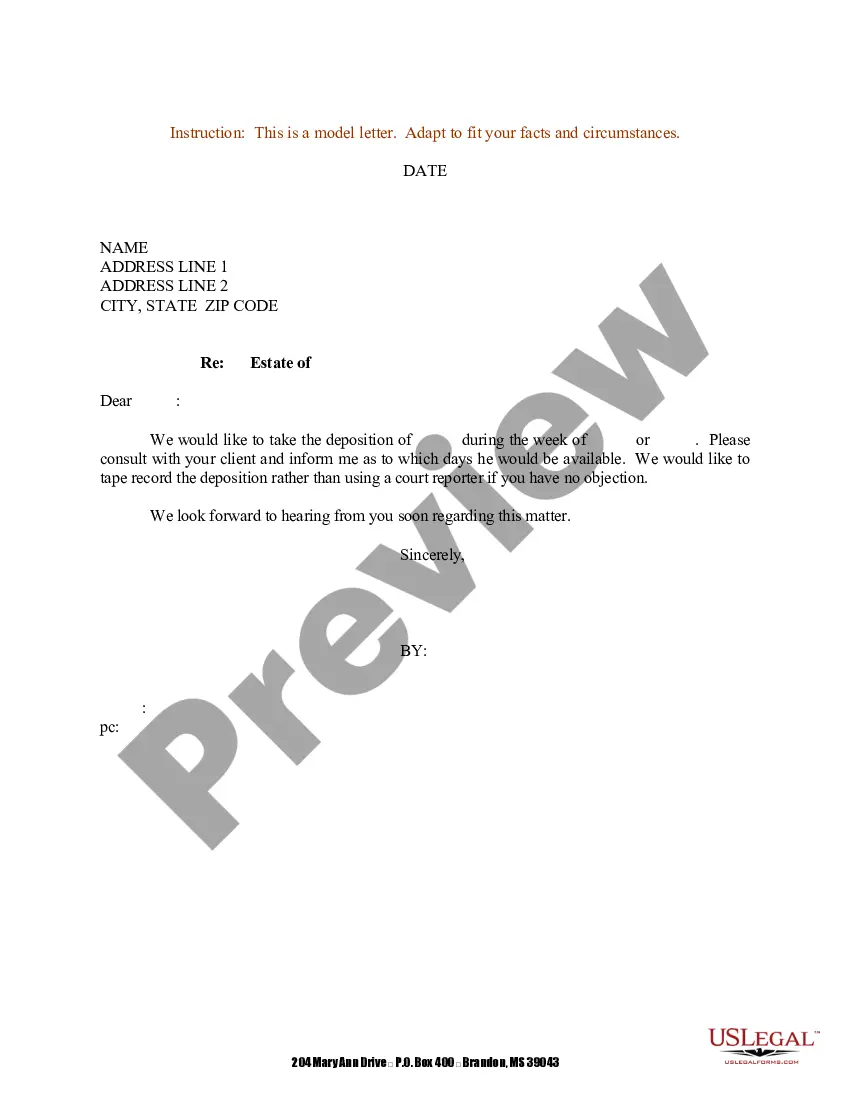
One of the most common methods of discovery is to take depositions. A deposition is an out-of-court statement given under oath by any person involved in the case. It is to be used at trial or in preparation for trial. It may be in the form of a written transcript, a videotape, or both.
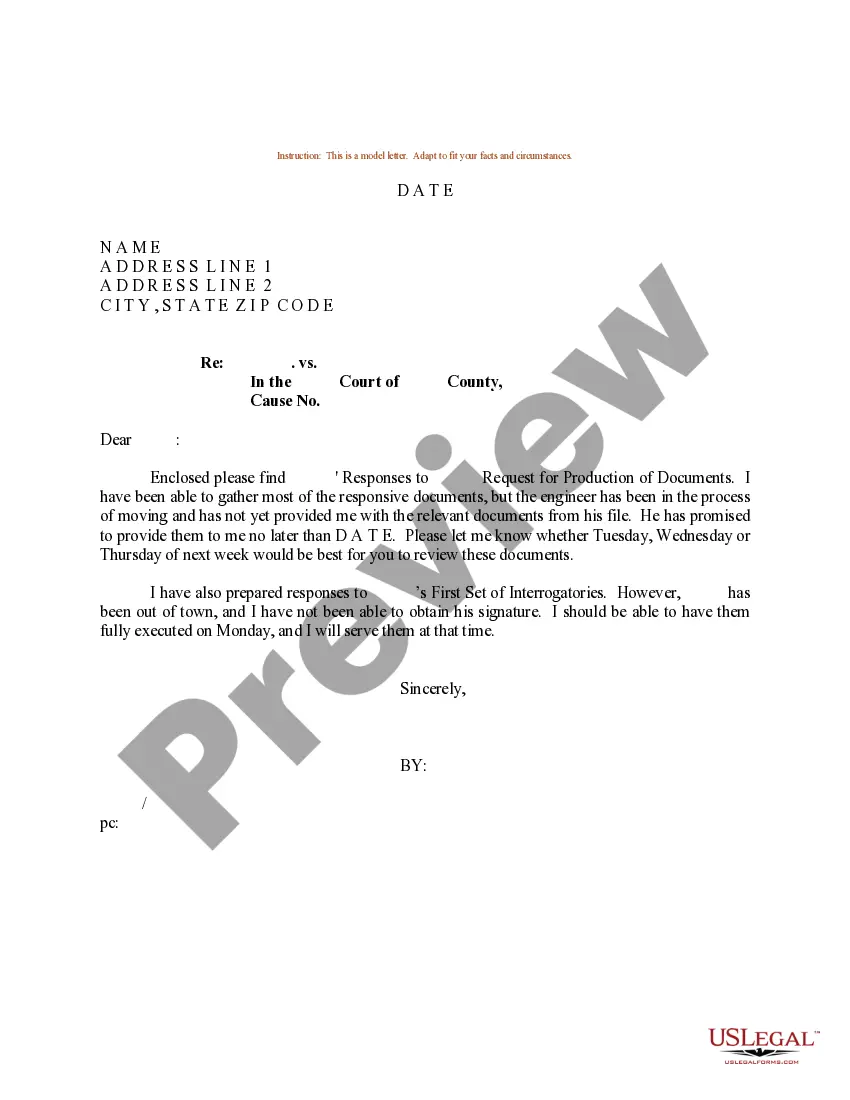
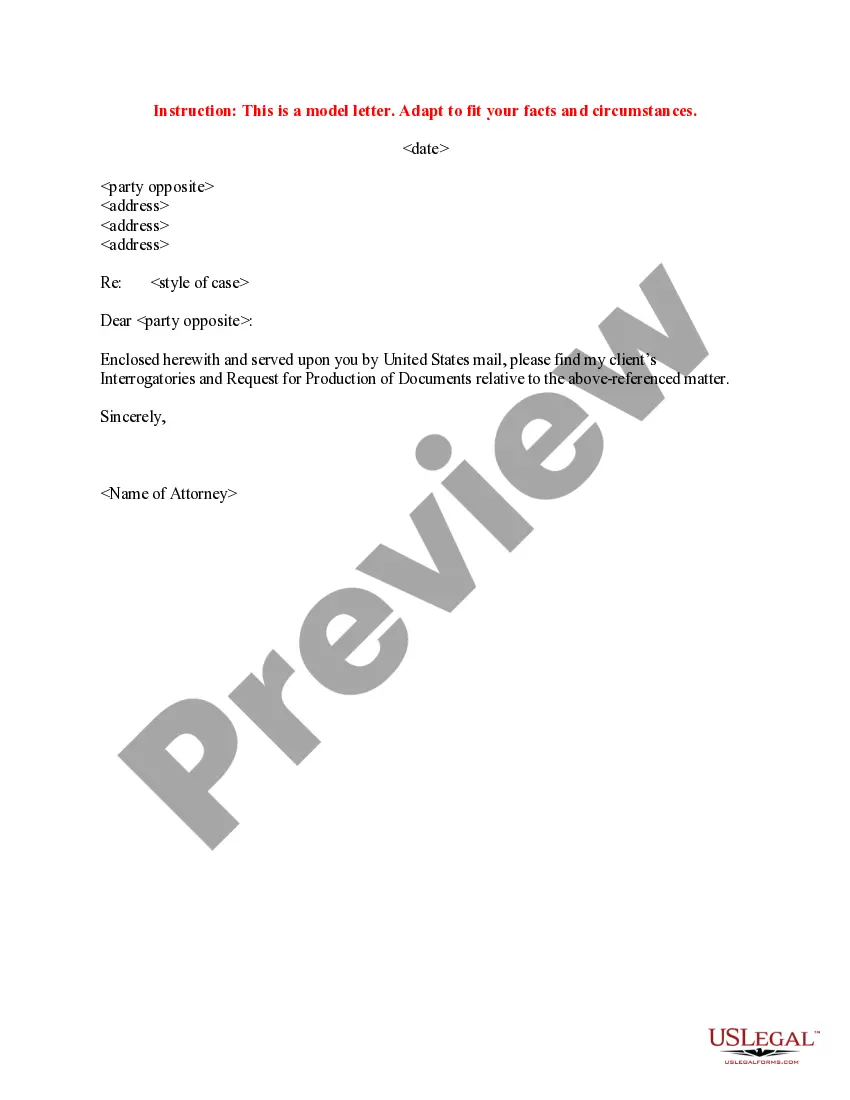
How Does Discovery Work? There are four main types of discovery requests: (1) depositions; (2) interrogatories; (3) requests for admissions; and (4) requests for the production of documents. Depositions are formal witness interviews.

