Requesting Discovery Form For Court In Maryland
Description
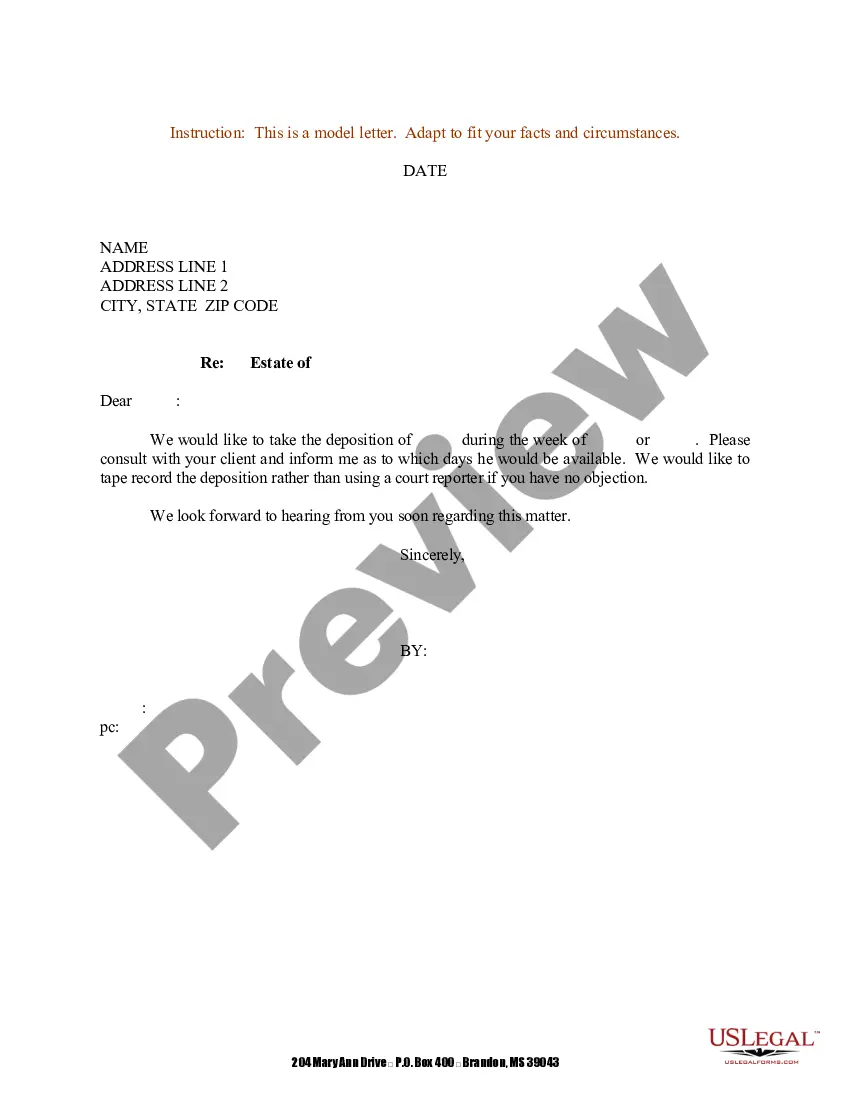
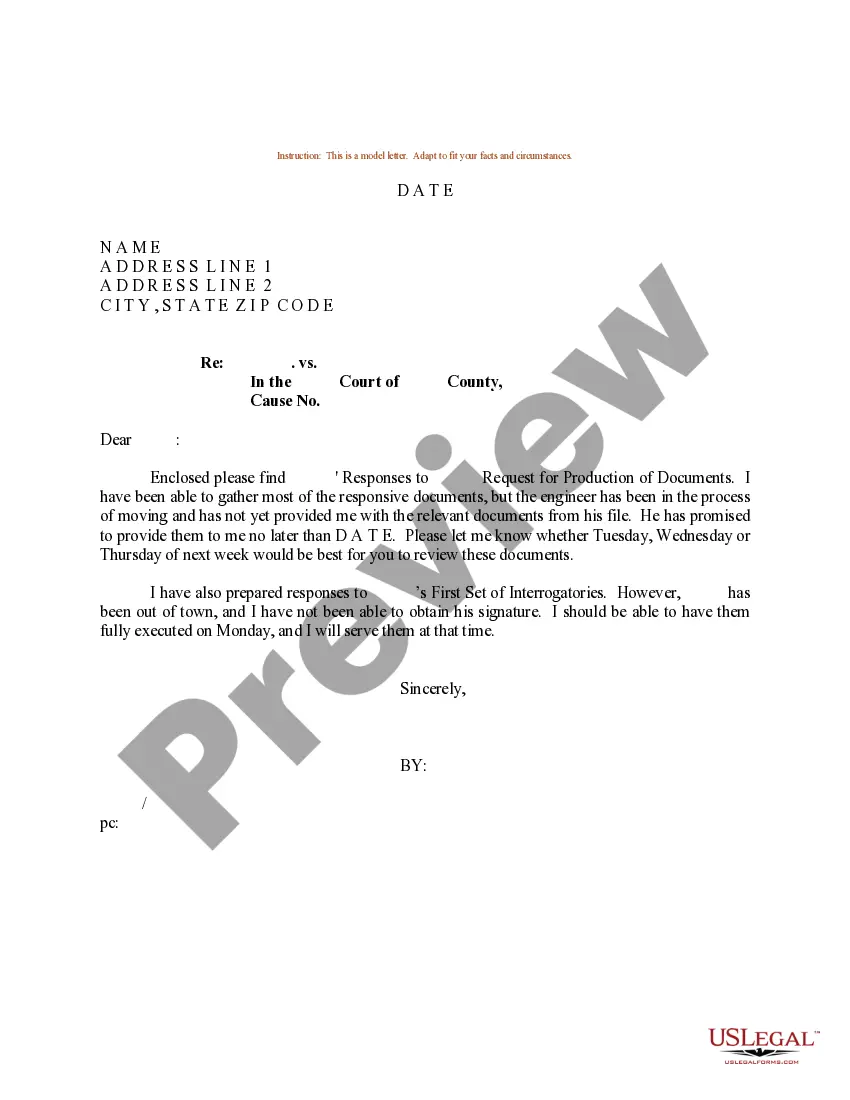
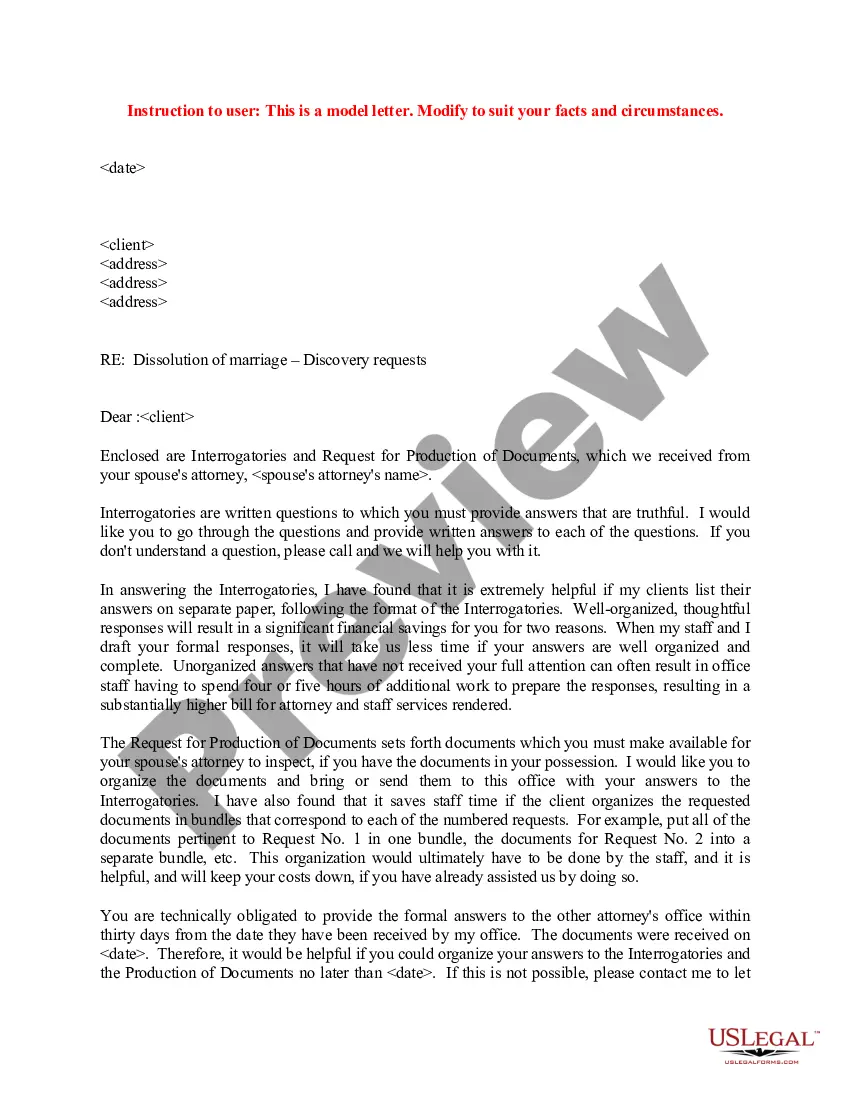
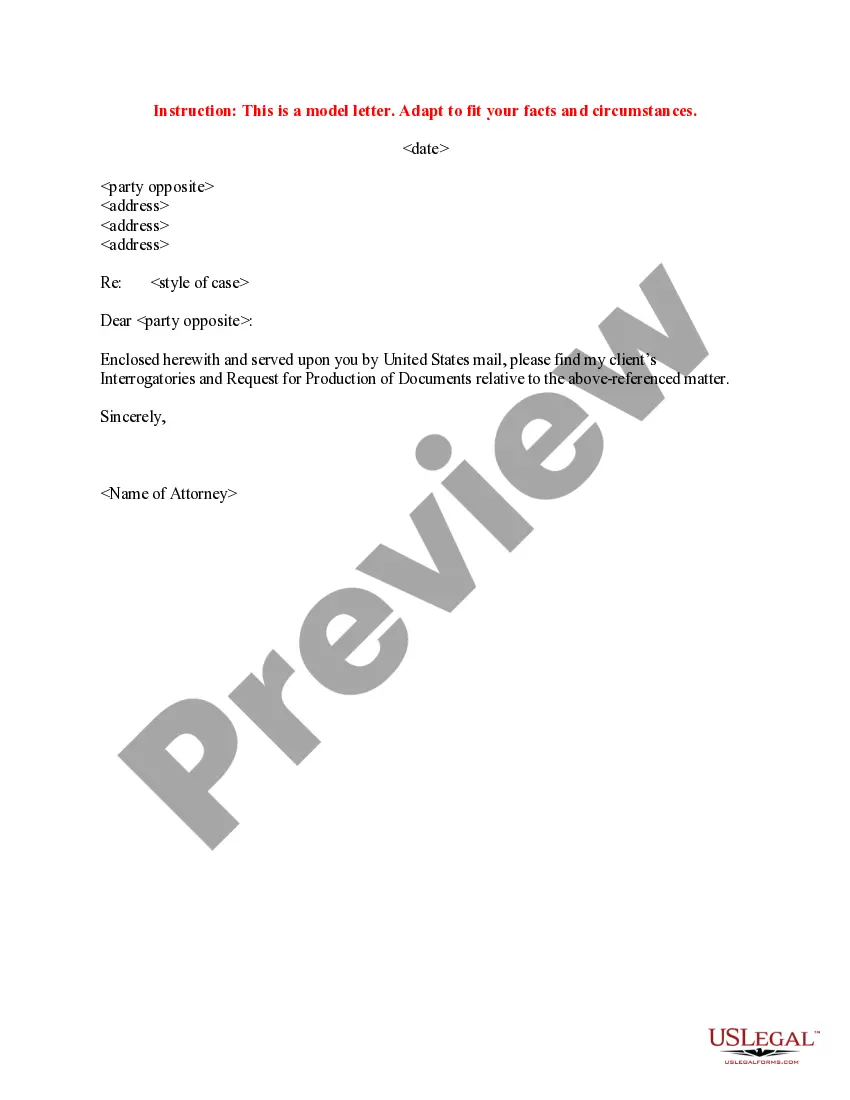
Get your form ready online
Our built-in tools help you complete, sign, share, and store your documents in one place.
Make edits, fill in missing information, and update formatting in US Legal Forms—just like you would in MS Word.
Download a copy, print it, send it by email, or mail it via USPS—whatever works best for your next step.
Sign and collect signatures with our SignNow integration. Send to multiple recipients, set reminders, and more. Go Premium to unlock E-Sign.
If this form requires notarization, complete it online through a secure video call—no need to meet a notary in person or wait for an appointment.
We protect your documents and personal data by following strict security and privacy standards.

Make edits, fill in missing information, and update formatting in US Legal Forms—just like you would in MS Word.

Download a copy, print it, send it by email, or mail it via USPS—whatever works best for your next step.

Sign and collect signatures with our SignNow integration. Send to multiple recipients, set reminders, and more. Go Premium to unlock E-Sign.

If this form requires notarization, complete it online through a secure video call—no need to meet a notary in person or wait for an appointment.

We protect your documents and personal data by following strict security and privacy standards.
Looking for another form?







Form popularity
FAQ
Rule 4-262 - Discovery in District Court (a) Applicability. This Rule governs discovery and inspection in the District Court. Discovery is available in the District Court in actions that are punishable by imprisonment.
The 3-year deadline for filing tort claims under Maryland's statute of limitations begins to run from the “date of discovery.” The date of discovery is the date that the plaintiff knew they had a claim or that a reasonable person would have realized that they had a claim.
Under the Maryland Rules, you must provide the opposing party with your discovery answers within either 30 days after service of the request or 15 days after the date on which the party's initial pleading or motion is required, whichever is later.
"Discoverable" Information Similarly, if information is "discoverable" and your opponent asks you for it, you must disclose the information. The Maryland Rules encourage broad discovery. Generally, information that is "not privileged" and "relevant to the subject matter involved in the action" is discoverable.
Discovery is the formal process by which the parties to a case in court exchange information about the case. This includes information about the witnesses and evidence to be presented at trial. Its purpose is to make the parties aware of the evidence which may be presented at trial.
The Best Evidence Rule, as set forth in Md. Rule 5-1002, states: “To prove the content of a writing, recording, or photograph, the originalwriting, recording, or photograph is required, except as otherwise provided in these rules or by statute.” (Emphasis added).
Response/Answer - You must respond to interrogatories. You must serve your response/answer within 30 days after service of the interrogatories or within 15 days after the date on which your initial pleading or motion is required, whichever is later.
State. Maryland Rule 4-263 Requires the State to Produce Relevant Information. Regarding the Acquisition of Statements Made During a Custodial Interrogation. that the State Intends to Use at Trial.

