Requesting Discovery Form For Personal Injury Courts In Los Angeles
Description
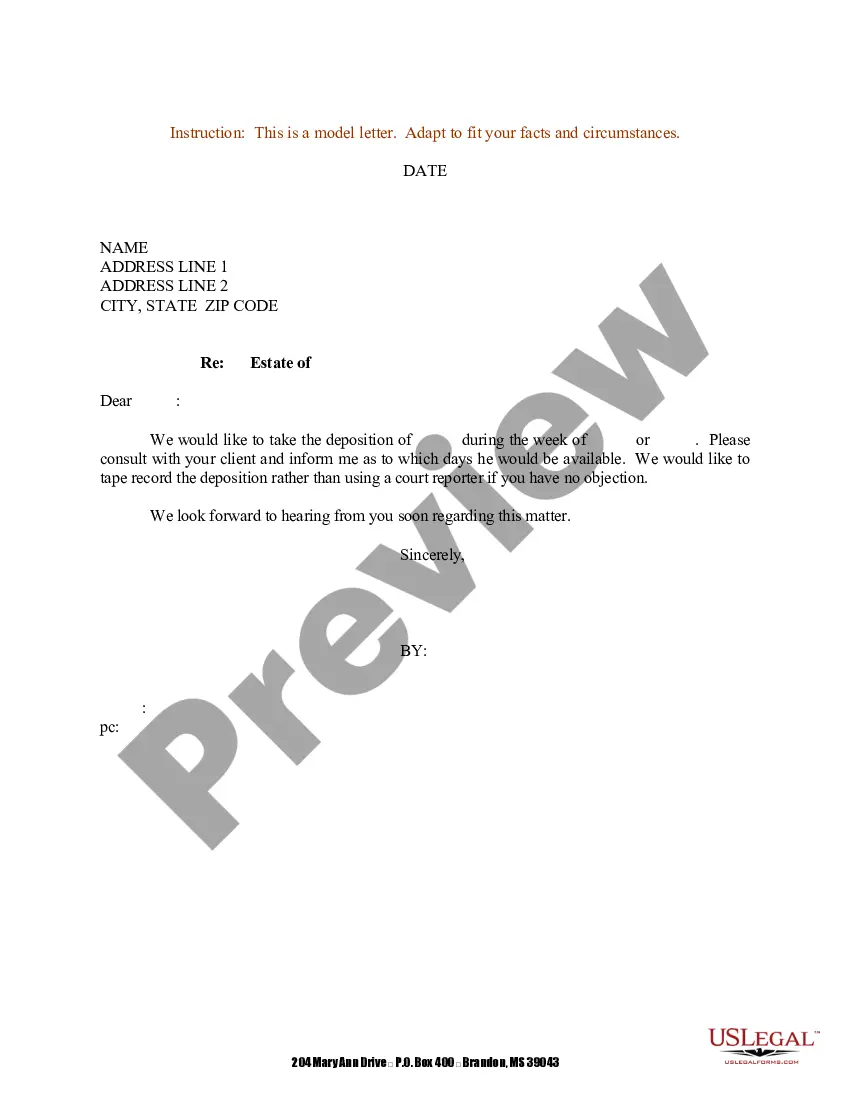
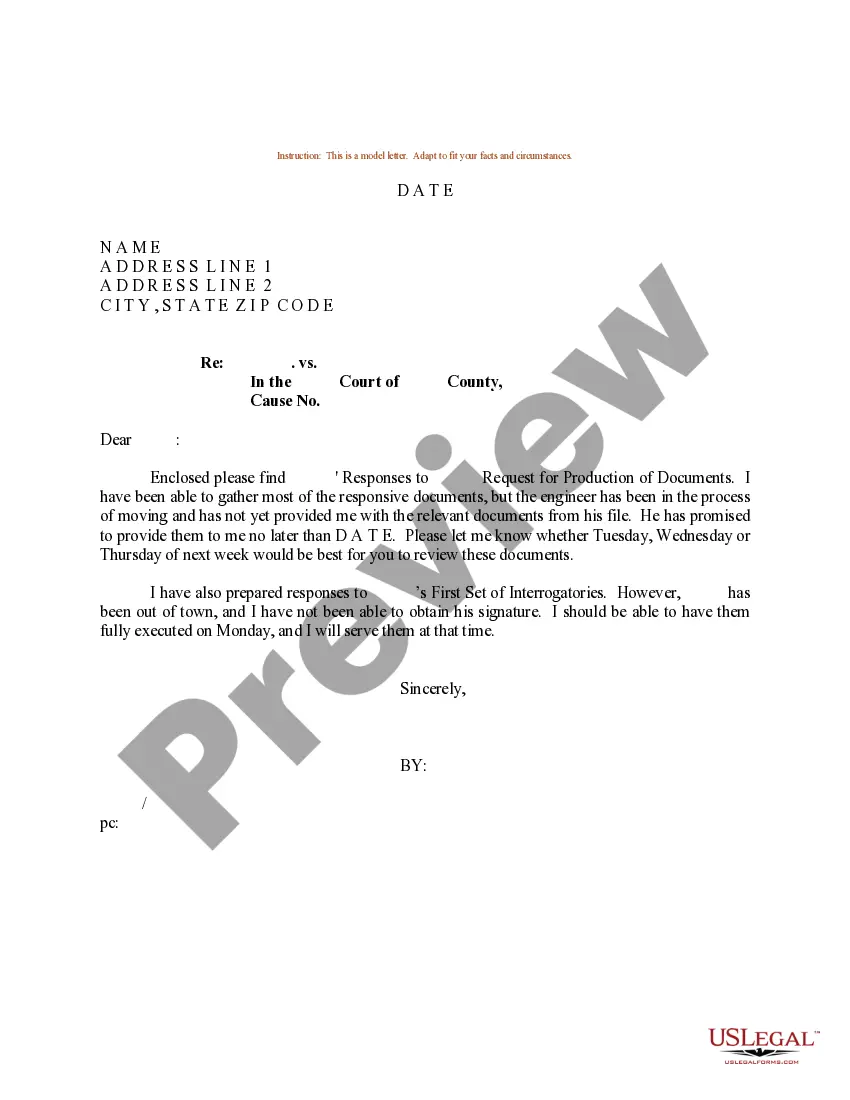
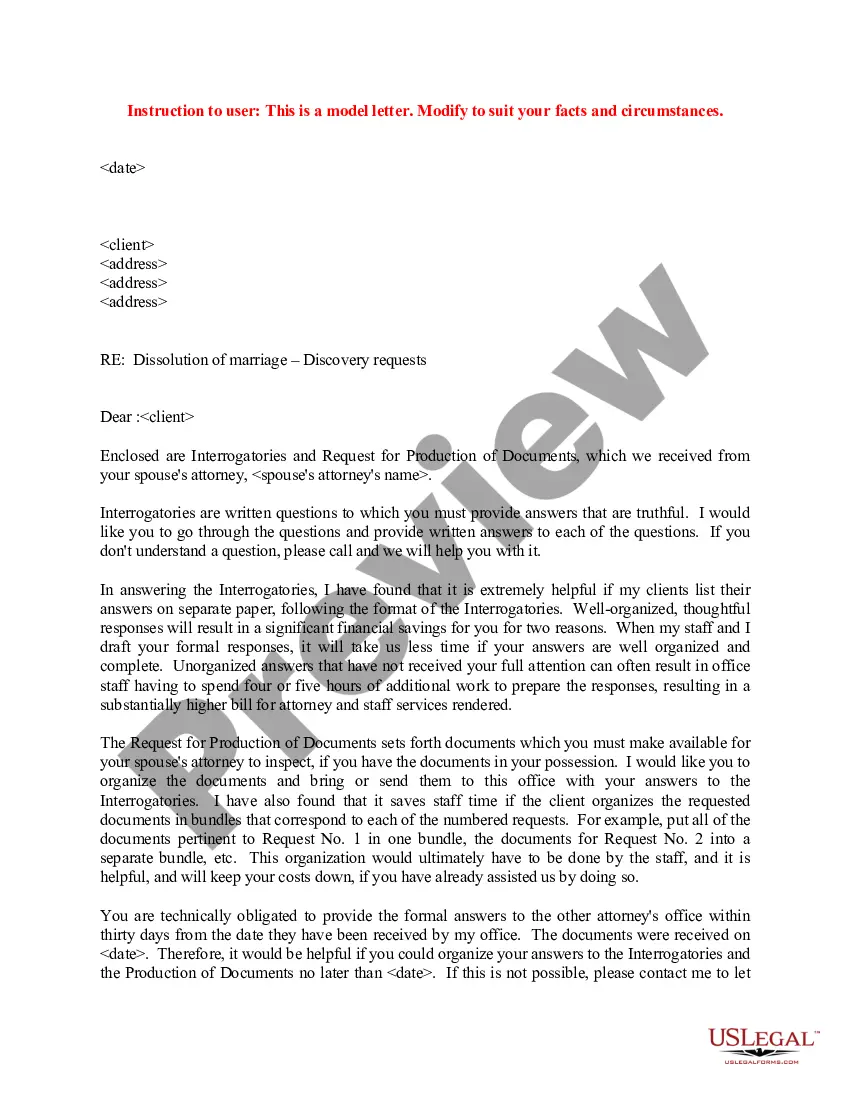
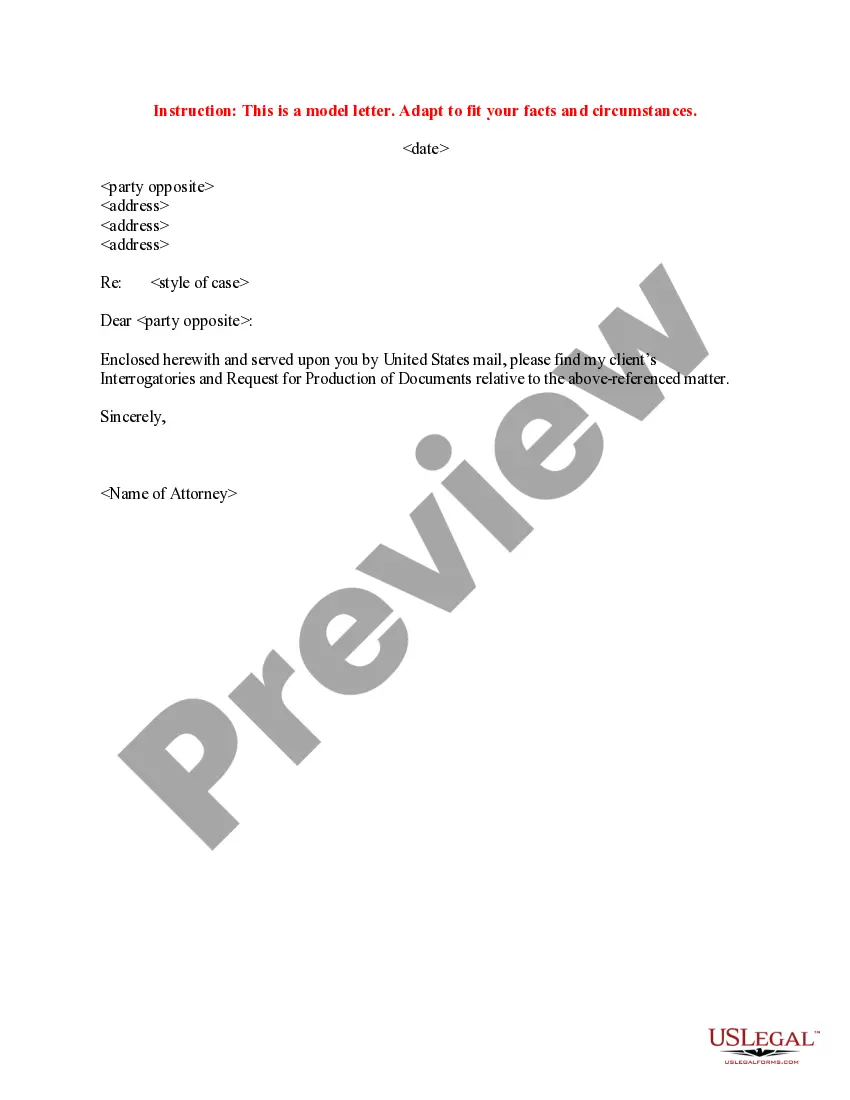
Get your form ready online
Our built-in tools help you complete, sign, share, and store your documents in one place.
Make edits, fill in missing information, and update formatting in US Legal Forms—just like you would in MS Word.
Download a copy, print it, send it by email, or mail it via USPS—whatever works best for your next step.
Sign and collect signatures with our SignNow integration. Send to multiple recipients, set reminders, and more. Go Premium to unlock E-Sign.
If this form requires notarization, complete it online through a secure video call—no need to meet a notary in person or wait for an appointment.
We protect your documents and personal data by following strict security and privacy standards.

Make edits, fill in missing information, and update formatting in US Legal Forms—just like you would in MS Word.

Download a copy, print it, send it by email, or mail it via USPS—whatever works best for your next step.

Sign and collect signatures with our SignNow integration. Send to multiple recipients, set reminders, and more. Go Premium to unlock E-Sign.

If this form requires notarization, complete it online through a secure video call—no need to meet a notary in person or wait for an appointment.

We protect your documents and personal data by following strict security and privacy standards.
Looking for another form?

Form popularity
FAQ
Ultimately, the primary purpose of the discovery conference is to facilitate communication between the parties involved in the trademark dispute. It provides an opportunity for the parties to discuss and clarify issues related to discovery, which is the process of exchanging relevant information and evidence.
The Benefits of Discovery for Both Plaintiffs and Defendants Helps plaintiffs and defendants understand the legal issues at play in the case and better prepare for trial. During discovery, each party can obtain facts from the other through requests for admission, interrogatories, documents, depositions, and more.
(a) A defendant may propound interrogatories to a party to the action without leave of court at any time. (b) A plaintiff may propound interrogatories to a party without leave of court at any time that is 10 days after the service of the summons on, or appearance by, that party, whichever occurs first.
IDCs involve informal consultations between judges and opposing counsel before the filing of formal discovery motions. During an IDC , parties in a dispute alert the judge to their disagreement, and the judge arranges a telephone or in-person conference.
Cut Off of Expert Discovery – the civil law time limit for expert discovery cutoff is fifteen (15) days before the original set trial date.
You must file and serve this Informal Discovery Conference Form no later than 15 court days prior to the IDC. The opposing party may file and serve a responsive IDC Form, briefly setting forth that party's response, at least 10 court days prior to the IDC.
How Does Discovery Work? There are four main types of discovery requests: (1) depositions; (2) interrogatories; (3) requests for admissions; and (4) requests for the production of documents. Depositions are formal witness interviews.
