Requesting Discovery Form Withdrawal In King
Description
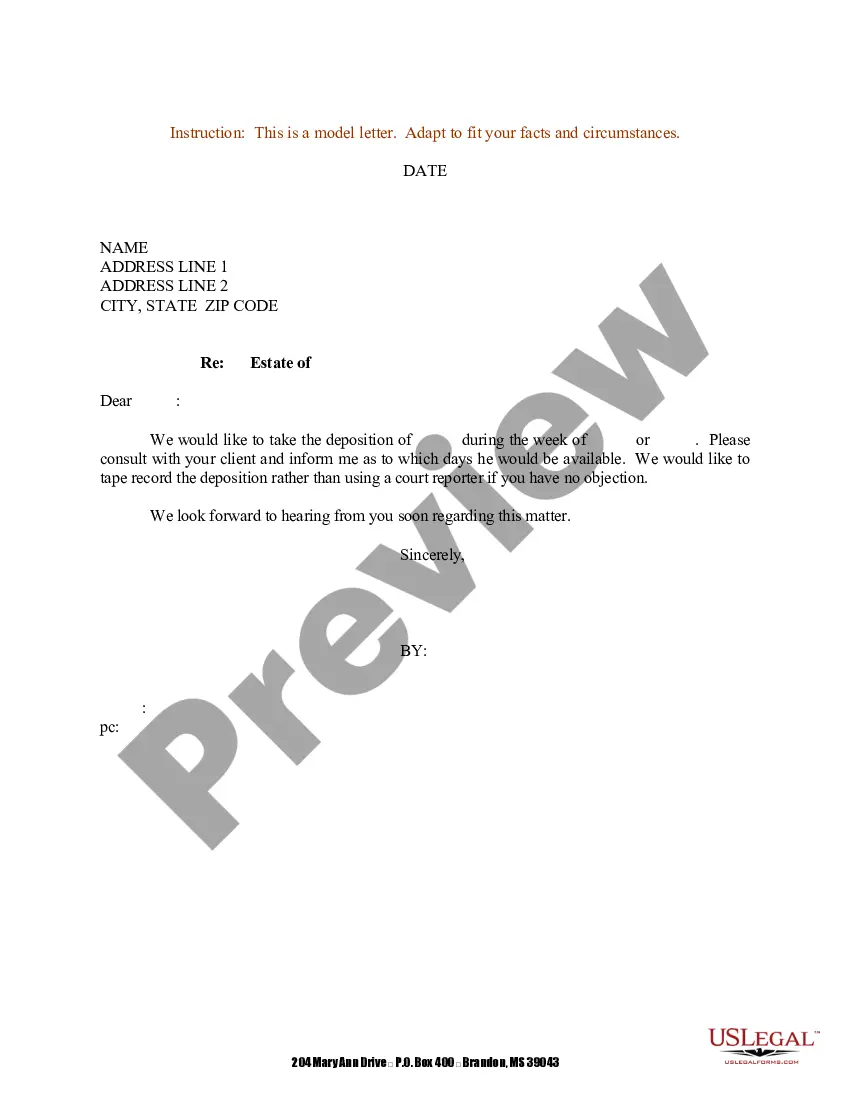
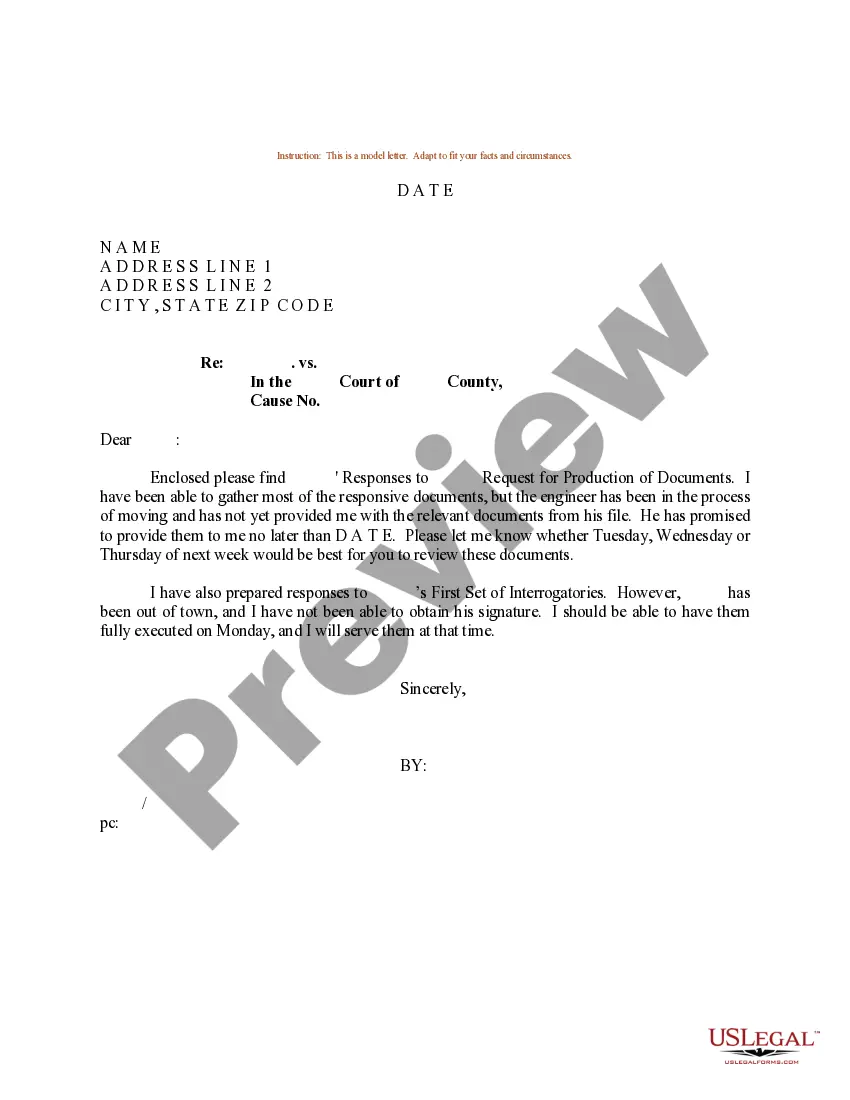
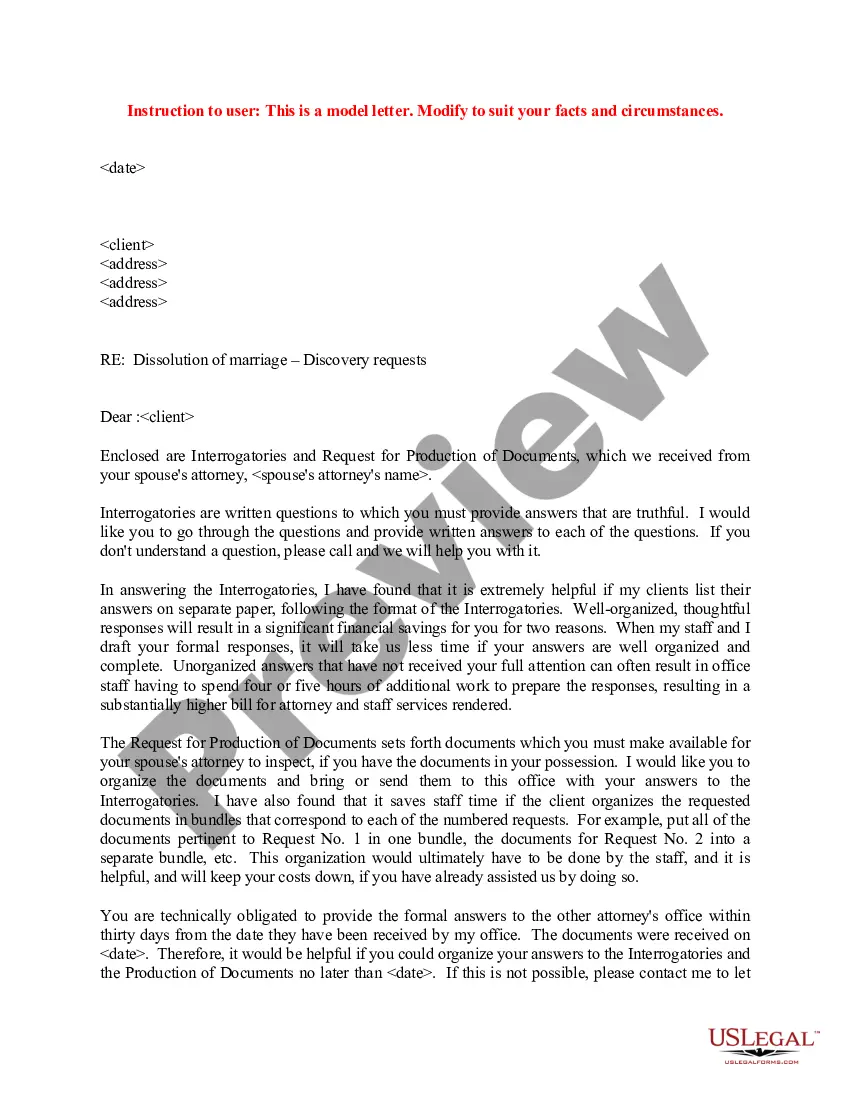
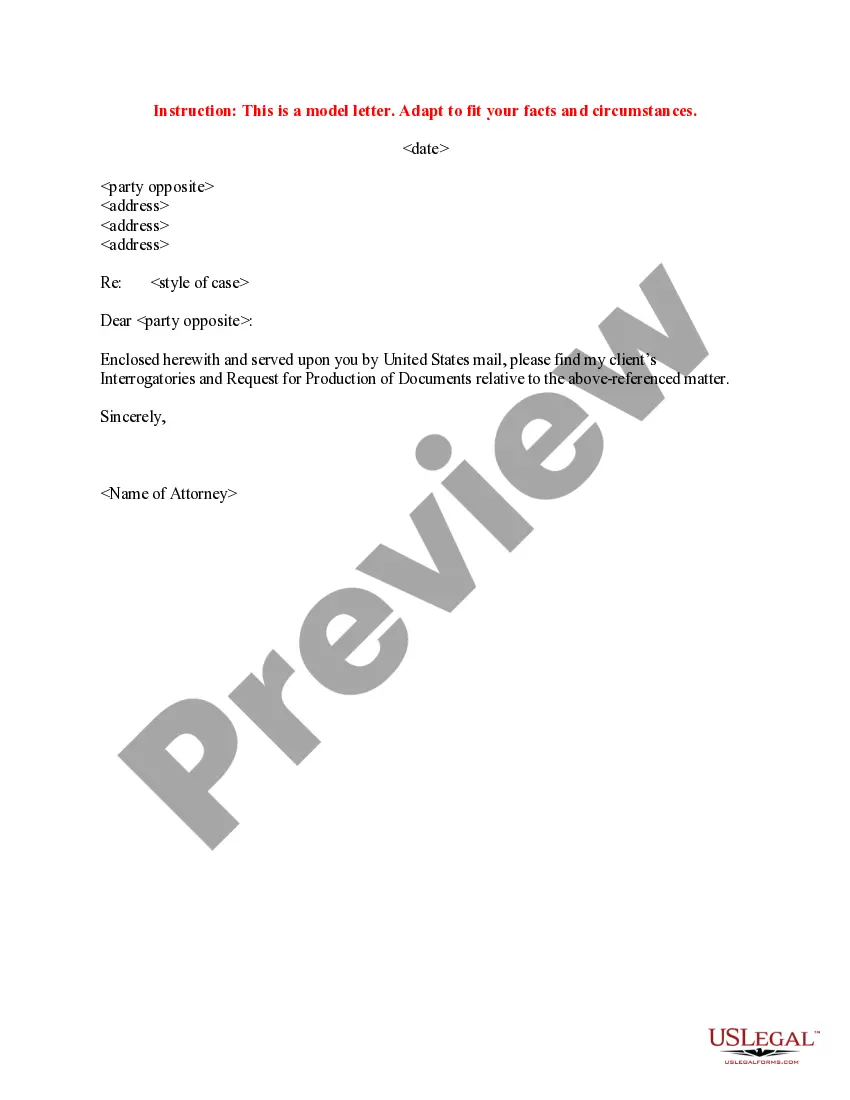
Get your form ready online
Our built-in tools help you complete, sign, share, and store your documents in one place.
Make edits, fill in missing information, and update formatting in US Legal Forms—just like you would in MS Word.
Download a copy, print it, send it by email, or mail it via USPS—whatever works best for your next step.
Sign and collect signatures with our SignNow integration. Send to multiple recipients, set reminders, and more. Go Premium to unlock E-Sign.
If this form requires notarization, complete it online through a secure video call—no need to meet a notary in person or wait for an appointment.
We protect your documents and personal data by following strict security and privacy standards.

Make edits, fill in missing information, and update formatting in US Legal Forms—just like you would in MS Word.

Download a copy, print it, send it by email, or mail it via USPS—whatever works best for your next step.

Sign and collect signatures with our SignNow integration. Send to multiple recipients, set reminders, and more. Go Premium to unlock E-Sign.

If this form requires notarization, complete it online through a secure video call—no need to meet a notary in person or wait for an appointment.

We protect your documents and personal data by following strict security and privacy standards.
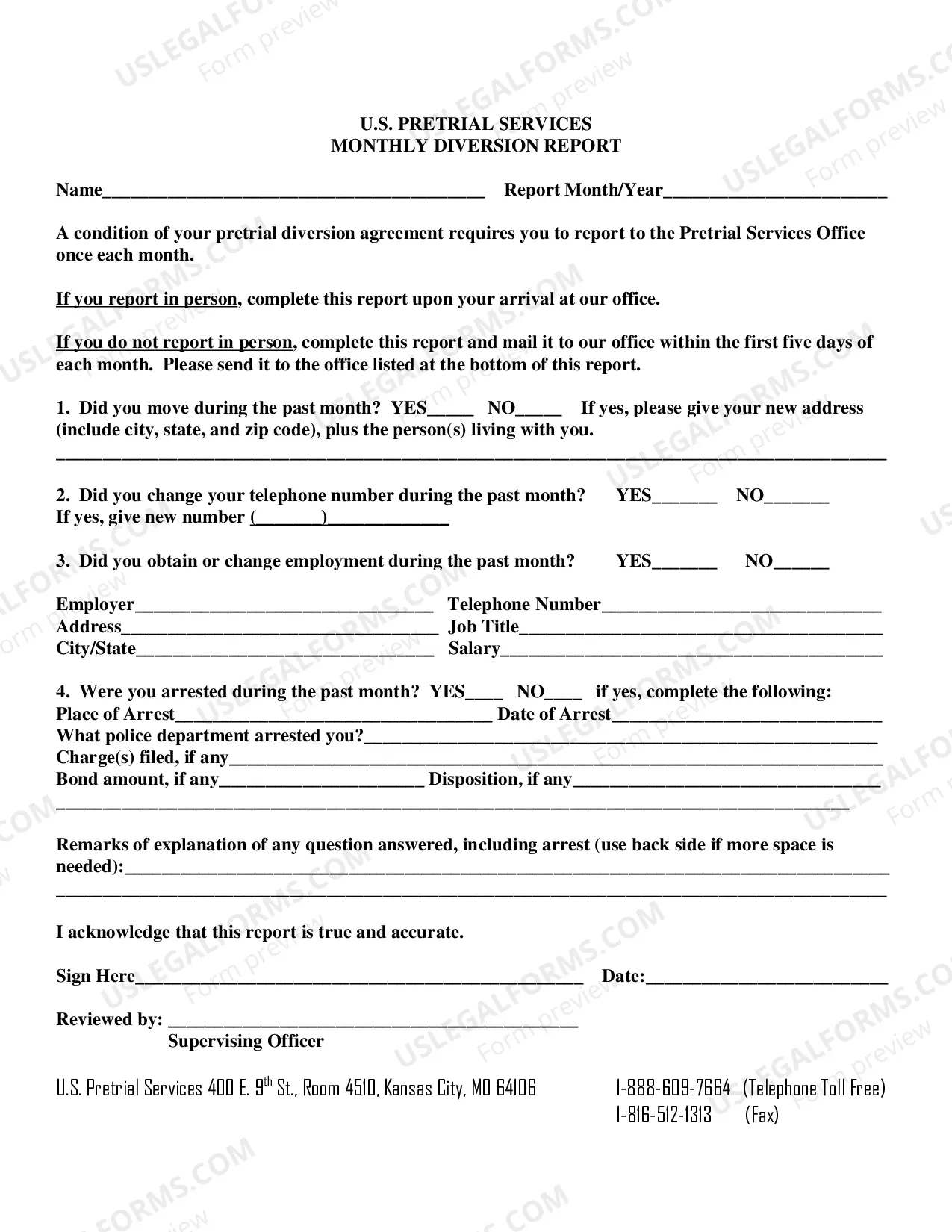
Looking for another form?

Form popularity
FAQ
Name change petitions are usually filed in District Court in the county where you reside. But in some instances, name changes may be filed in Superior Court. You should review RCW 4.24. 130 to determine in which court to file your name change petition.
The first step to change your name is to file a Petition for Name Change with the Court. You must submit a separate Petition for Name Change for each person you are requesting a name change for. If a judge grants your name change request, the Court will issue a single order that changes all person's names.
What is the Discovery Rule? The discovery rule allows plaintiffs to extend the statute of limitations on the basis that they had not reasonably discovered that they had a claim in time to meet the deadline.
How Long Will a Name Change Take? StateTime to Complete WA 2-8 weeks WI 2-8 weeks WV 2-8 weeks WY 2-8 weeks47 more rows
King County Superior Court is a general jurisdiction trial court. That means we can hear any kind of civil or criminal case, including family law, and juvenile cases.
Show cause orders instruct parties to “show cause” why the court should decide in their favor on a motion. More accurately, a show cause order instructs a party to appear at a hearing and show cause why the court should not grant a motion another party filed. Many of the most complicated motions are by show cause.
(B) Page Limits: Absent prior authorization from the court, parties shall not submit more than 25 pages of declarations. This 25-page limit includes any reply declarations. All declarations and affidavits submitted in response to motions shall be limited to 20 pages.
(B) Page Limits: Absent prior authorization from the court, parties shall not submit more than 25 pages of declarations. This 25-page limit includes any reply declarations. All declarations and affidavits submitted in response to motions shall be limited to 20 pages.
If you are the moving party and are striking a motion, please call or email the Ex Parte Coordinator at 206-477-2517 or scexparteorders@kingcounty and provide the cause number, case name, date and time of hearing, and whether you are re-noting the matter and would like working papers to be moved.
