Requesting Discovery Form With Decimals In King
Description
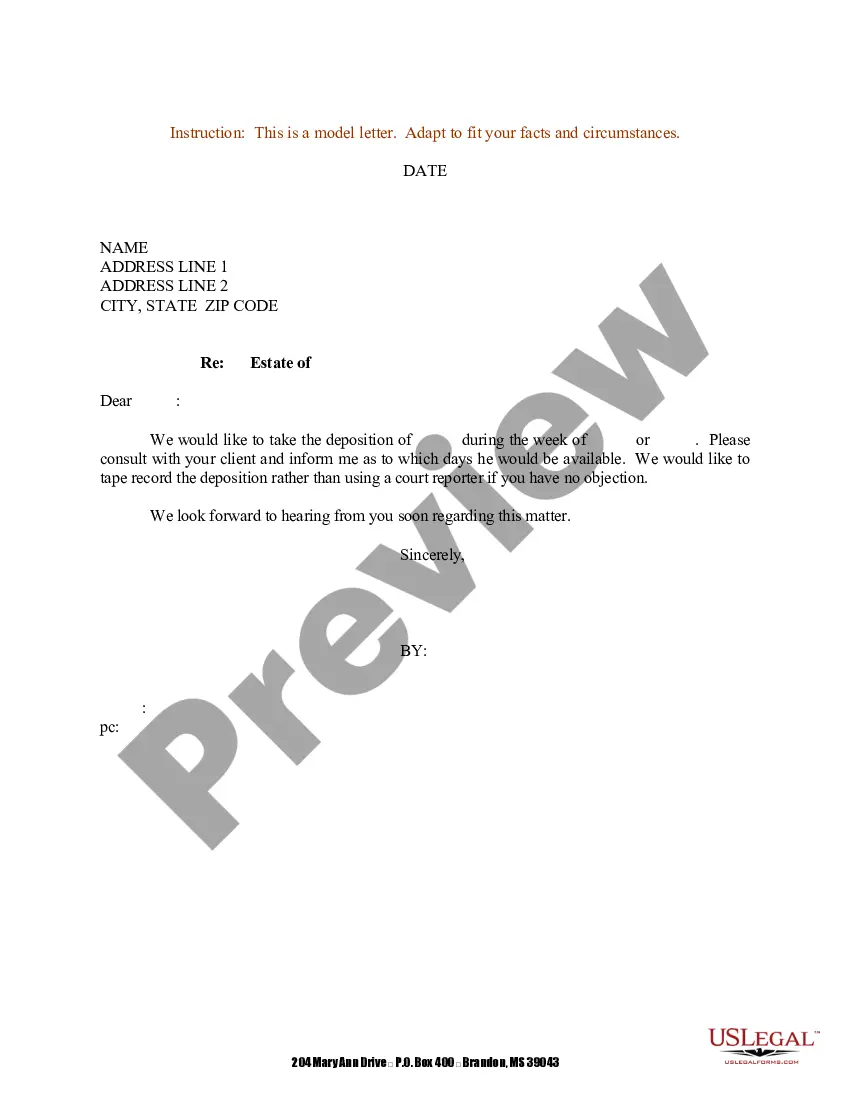
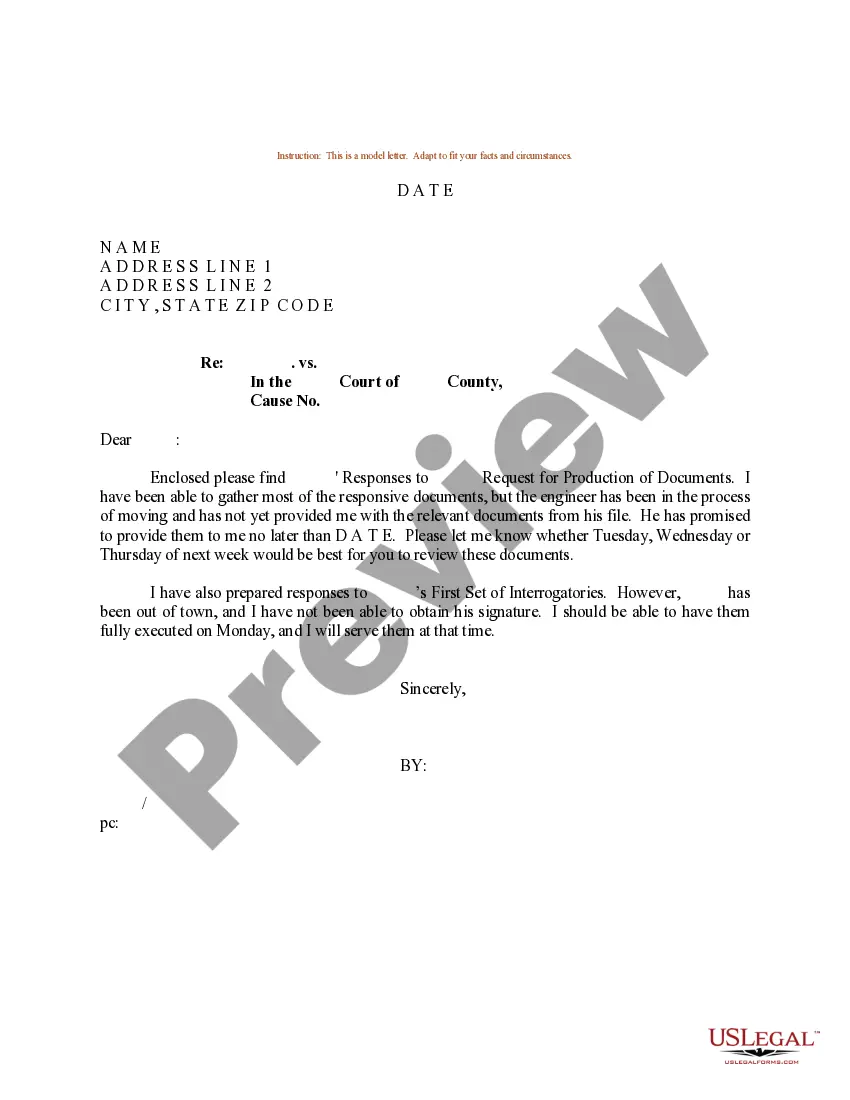
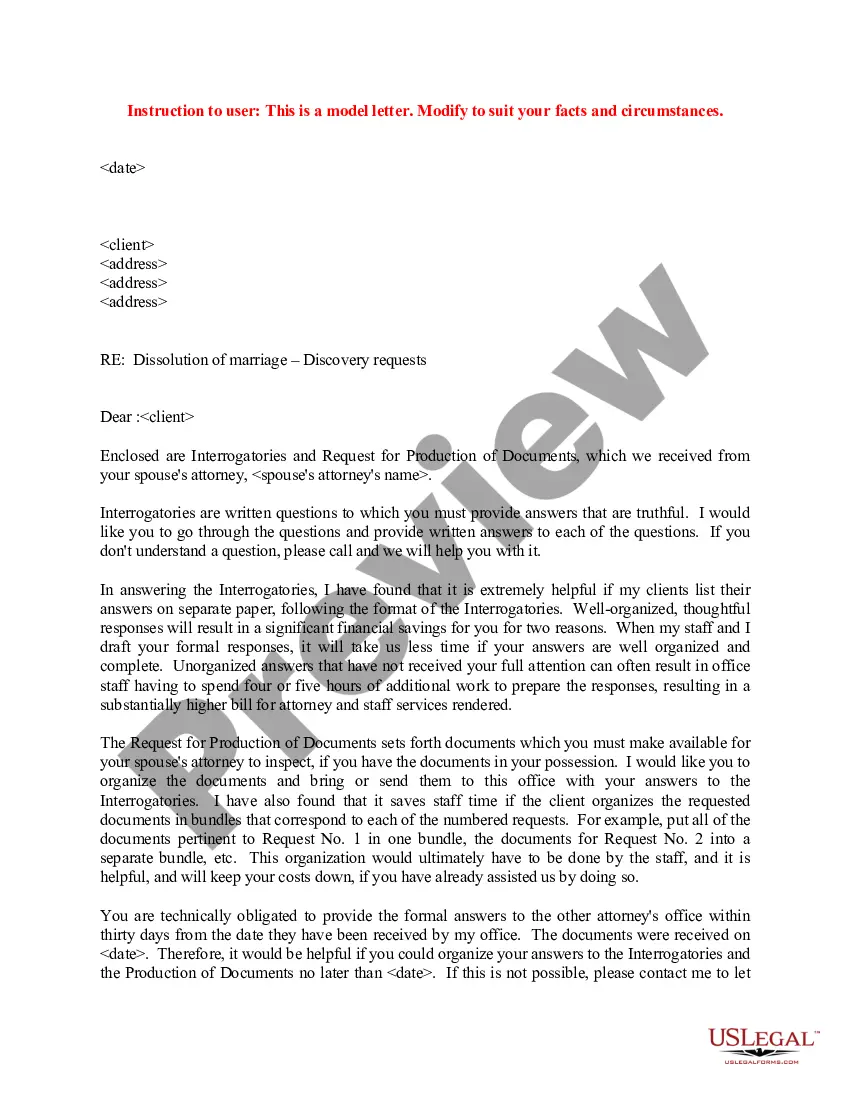
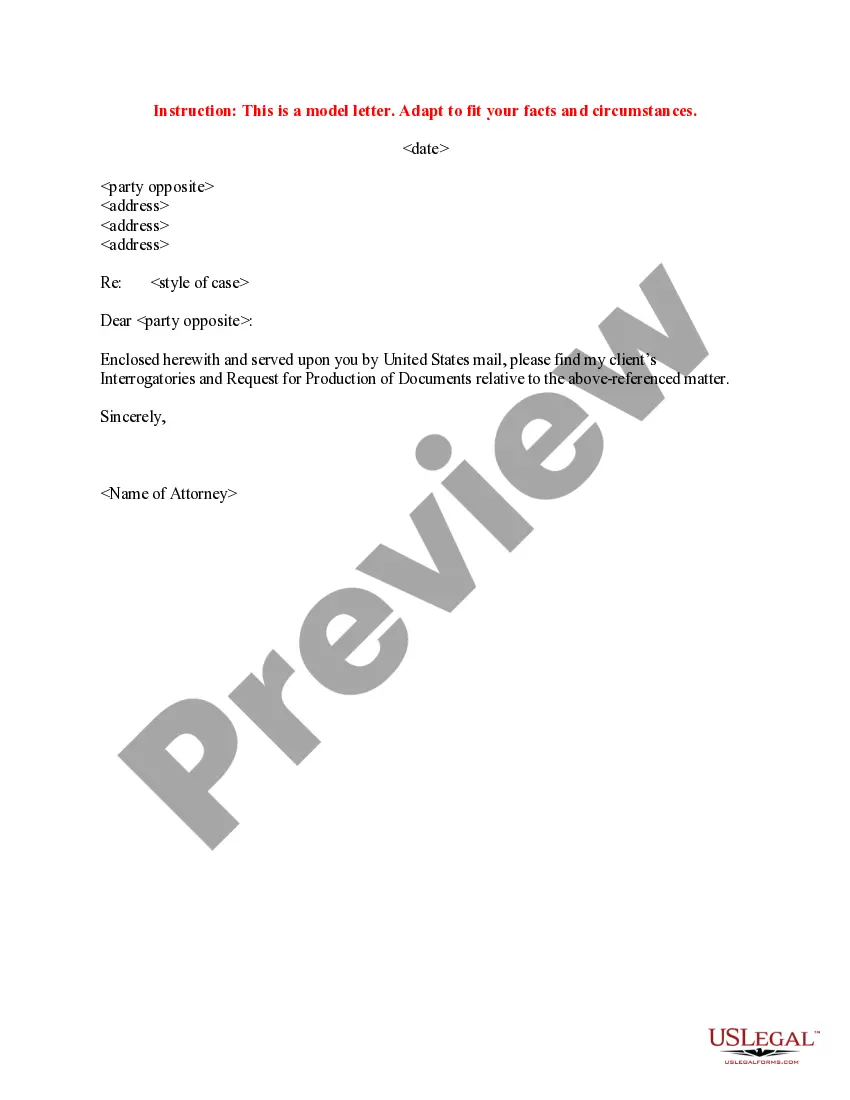
Get your form ready online
Our built-in tools help you complete, sign, share, and store your documents in one place.
Make edits, fill in missing information, and update formatting in US Legal Forms—just like you would in MS Word.
Download a copy, print it, send it by email, or mail it via USPS—whatever works best for your next step.
Sign and collect signatures with our SignNow integration. Send to multiple recipients, set reminders, and more. Go Premium to unlock E-Sign.
If this form requires notarization, complete it online through a secure video call—no need to meet a notary in person or wait for an appointment.
We protect your documents and personal data by following strict security and privacy standards.

Make edits, fill in missing information, and update formatting in US Legal Forms—just like you would in MS Word.

Download a copy, print it, send it by email, or mail it via USPS—whatever works best for your next step.

Sign and collect signatures with our SignNow integration. Send to multiple recipients, set reminders, and more. Go Premium to unlock E-Sign.

If this form requires notarization, complete it online through a secure video call—no need to meet a notary in person or wait for an appointment.

We protect your documents and personal data by following strict security and privacy standards.
Looking for another form?








Form popularity
FAQ
A discovery is recognizing something that already exists for the first time, that nobody has found before, e.g. how Christopher Columbus discovered the Americas.
You must respond to each request individually. You do not need to repeat the text of the question, but your responses must be in the same order as the requests, and each response should be labeled with the same number or letter as the request.
You must answer the questions or file objections to certain questions or the entire set of interrogatories. For example, you might not want to answer a question because it contains incorrect information like asking you to state who treated your broken leg, but you did not break your leg.
After you complete your response to any request for written discovery, you must provide your response to the other side by serving the other side. You can serve the other side by mail. This means another adult, not you, mails your response to the other side.
In a formal discovery, you formally ask for information and documents. You can also ask other people for information. For example, you may need documents from your spouse's employer. They also must respond.
Write out each fact you wish the other party to admit is true. When writing these facts, be as clear and concise as possible. Each request must be for a single fact; do not include multiple facts, compound questions, or subparts.
Read each question (interrogatory) very carefully. Answer only the question that is asked, and avoid the temptation to over-explain your answer. If the question contains several parts, you may break your answer into parts as well. It is also possible that you might object to the question.
You have to respond to interrogatories in writing to the best of your ability. If you do not answer an interrogatory question, and then the other side learns that you did in fact know the answer, it could have a negative impact on your case at trial.

