Requesting Discovery Form For Personal Injury Courts In King
Description
Get your form ready online
Our built-in tools help you complete, sign, share, and store your documents in one place.
Make edits, fill in missing information, and update formatting in US Legal Forms—just like you would in MS Word.
Download a copy, print it, send it by email, or mail it via USPS—whatever works best for your next step.
Sign and collect signatures with our SignNow integration. Send to multiple recipients, set reminders, and more. Go Premium to unlock E-Sign.
If this form requires notarization, complete it online through a secure video call—no need to meet a notary in person or wait for an appointment.
We protect your documents and personal data by following strict security and privacy standards.

Make edits, fill in missing information, and update formatting in US Legal Forms—just like you would in MS Word.

Download a copy, print it, send it by email, or mail it via USPS—whatever works best for your next step.

Sign and collect signatures with our SignNow integration. Send to multiple recipients, set reminders, and more. Go Premium to unlock E-Sign.

If this form requires notarization, complete it online through a secure video call—no need to meet a notary in person or wait for an appointment.

We protect your documents and personal data by following strict security and privacy standards.
Looking for another form?



Form popularity
FAQ
Part 7 claims. Part 7 claims are brought where there is a substantive dispute as to fact between two (or more) parties. The process is very different with the claim form initially being accompanied by a “Particulars of Claim” which is a legal statement of what events lead to the claim and how the claim is set out.
Generally, the insurance company has about 30 days to investigate your claim. Pro tip: Your state's statutes of limitations will also determine how much time you have to file and settle a claim. The statute of limitations for insurance claims varies by state, as well as by claim type.
The Letter of Notification It is sent to notify them that a claim is going to be made against their insured (the party that allegedly caused the accident). At this stage, the claimant is unlikely to have all the information that is required to send out a formal Letter of Claim.
As personal injury claims are matters of civil law, they are dealt with by the civil court system.
Initial Attempt: Typically, after receiving the documents, a process server will make the first attempt to serve within 24-48 hours. This rapid response time ensures prompt notification, aligning with the urgency of legal proceedings.
A claim form must be served within four months of issue. Any reasonably competent solicitor ought to make sure these deadlines are met, but there are pitfalls. They can lead to disputes over the conduct of the litigation, a fiendish outcome for the client.
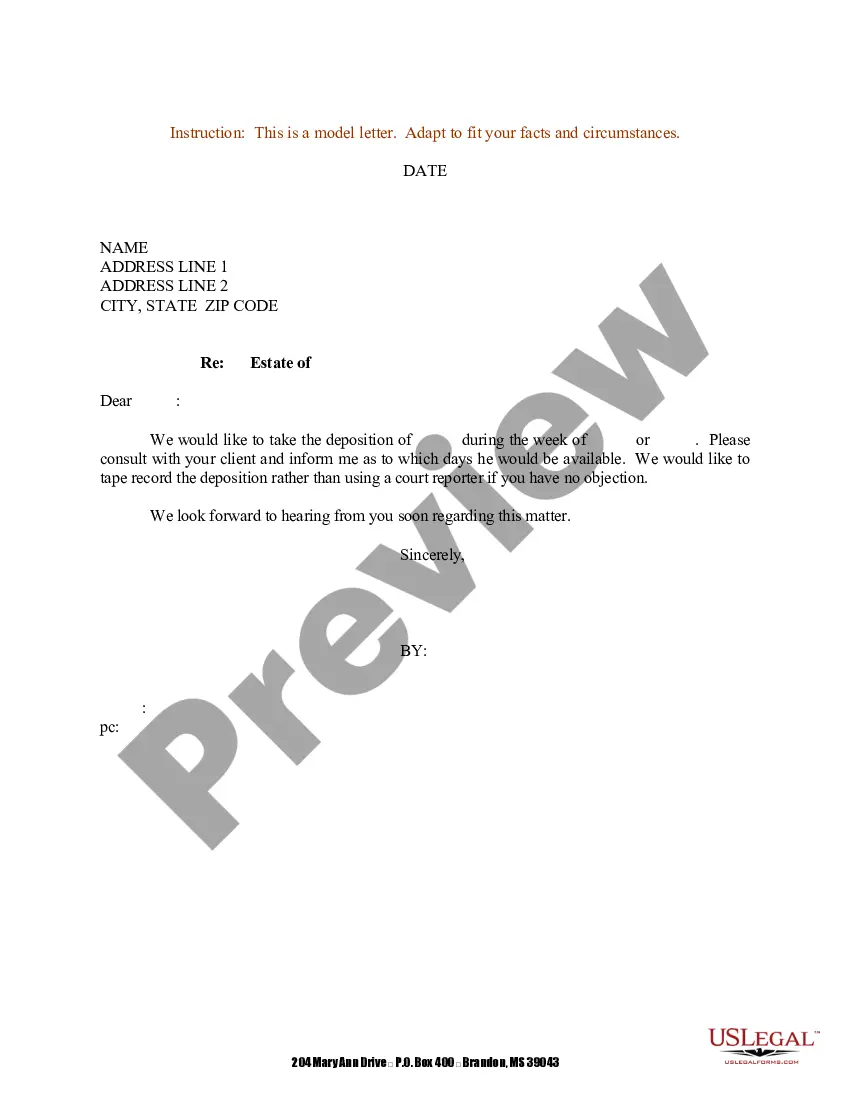
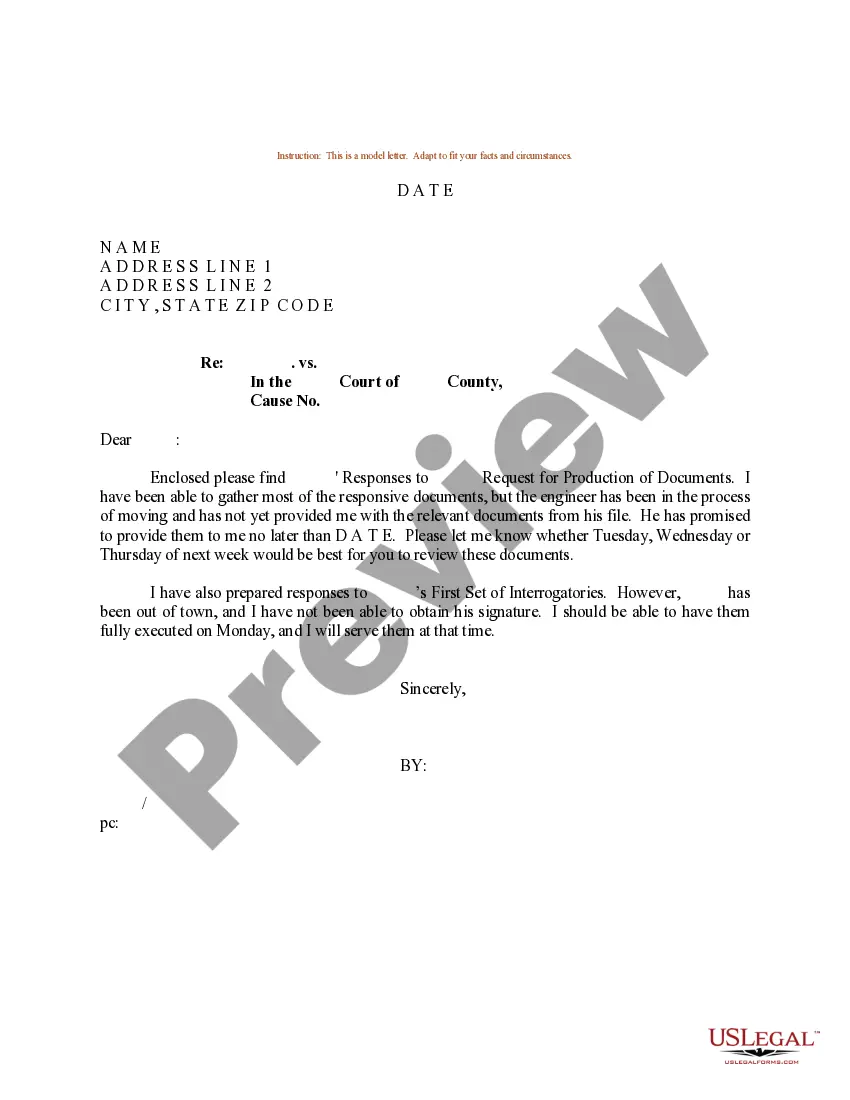
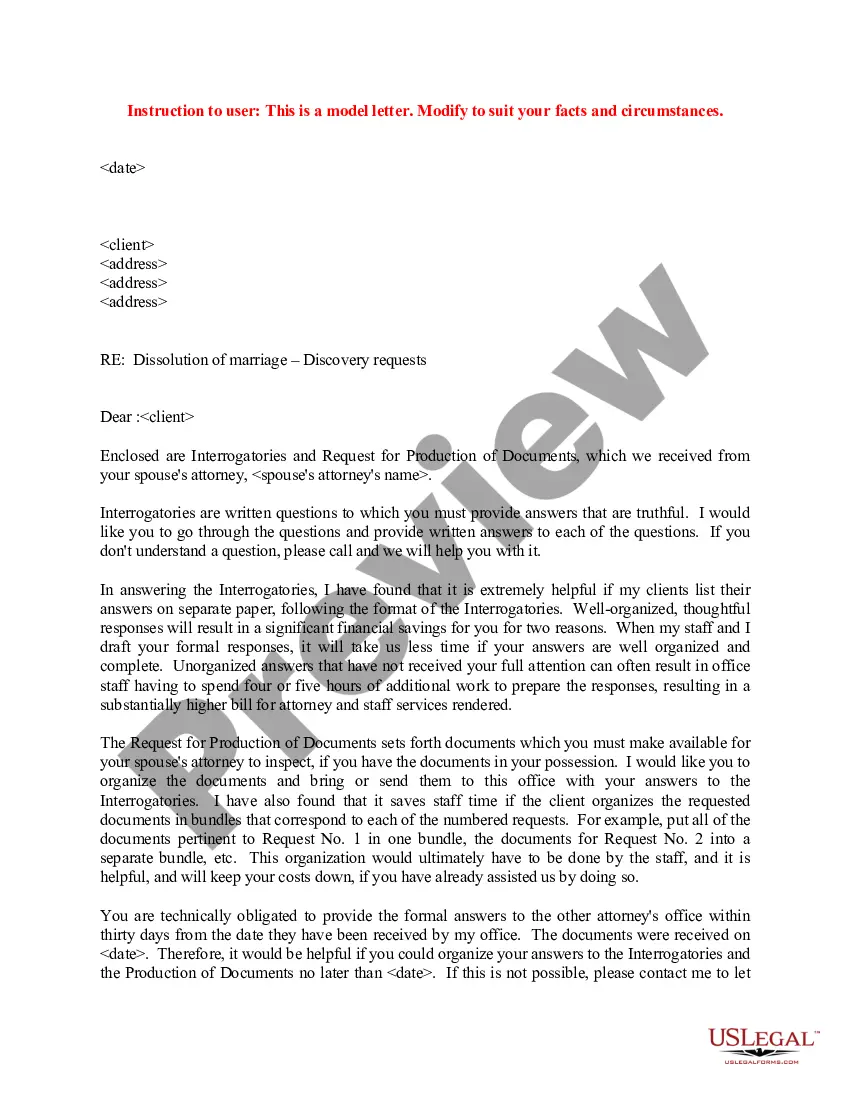
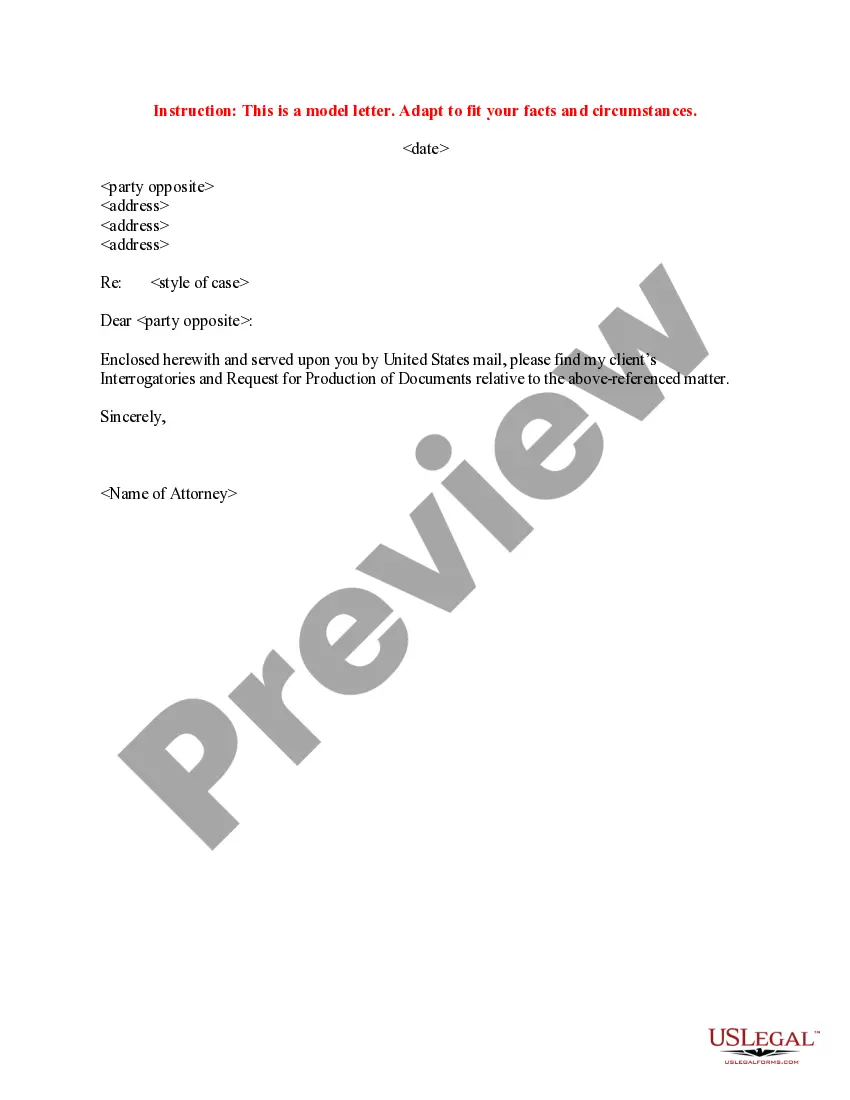
The Discovery Process in Lawsuits Depositions. Perhaps the classic example of a discovery tool is a deposition. Requests for Production of Documents. Each party can mail these written requests to the opponent or their attorney. Requests for Admissions. Interrogatories. Limits on Discovery.
In the United States, there are five basic forms of discovery: depositions, interrogatories, requests for production of documents (or permission to inspect), physical and mental examinations, and requests for admission.
The definition of “discovery” in law is the exchange of legal information and known facts of a case.
How Does Discovery Work? There are four main types of discovery requests: (1) depositions; (2) interrogatories; (3) requests for admissions; and (4) requests for the production of documents. Depositions are formal witness interviews.

