Requesting Discovery Form With Decimals In Illinois
Description
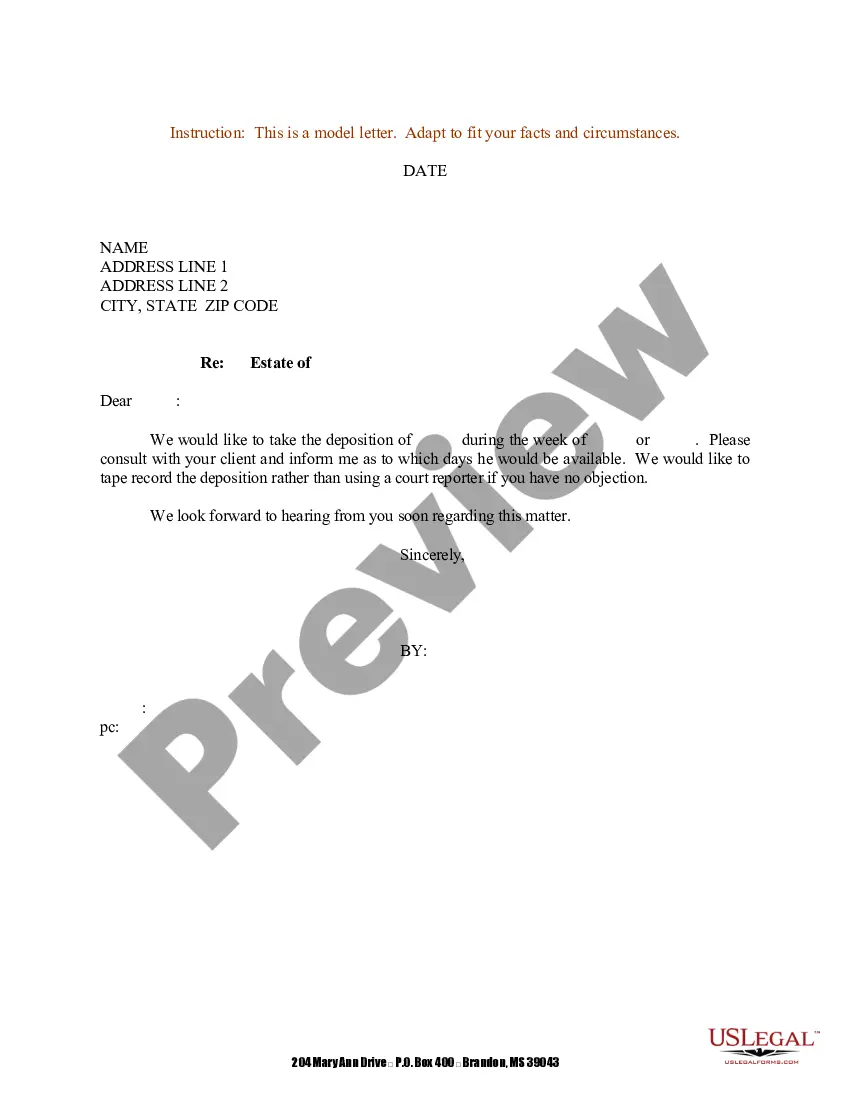
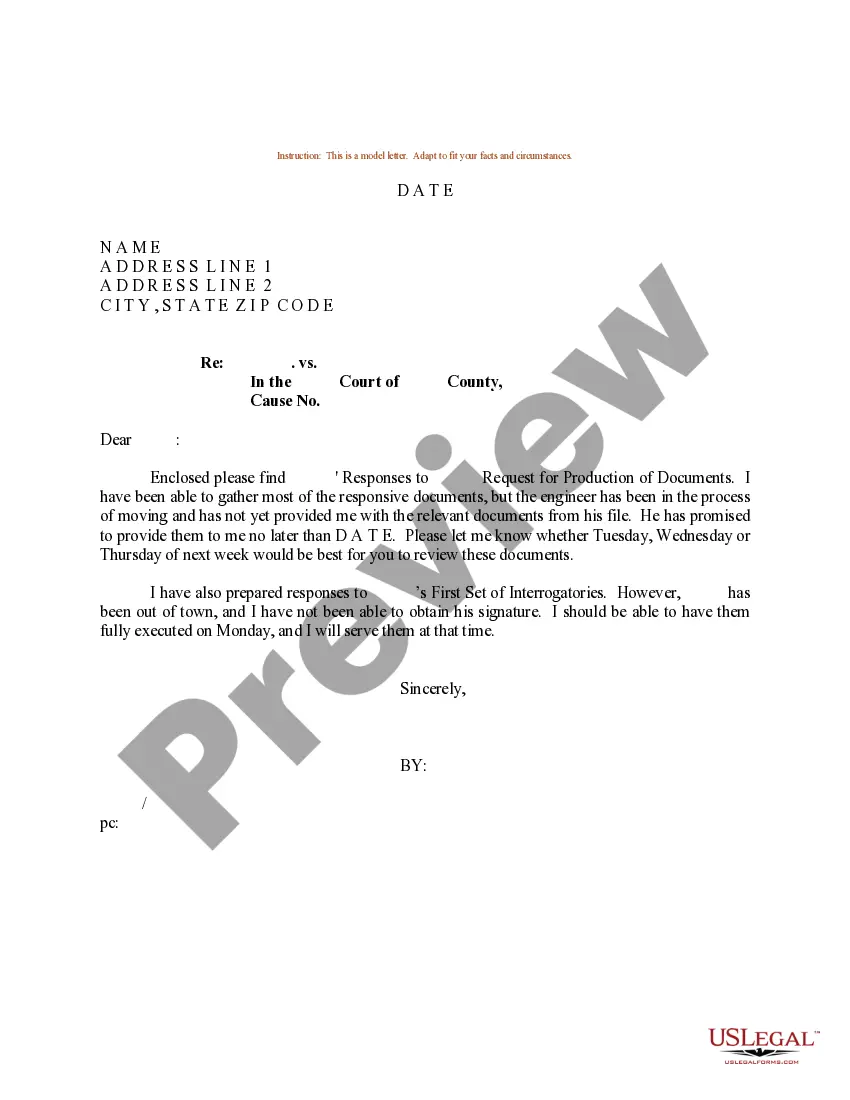
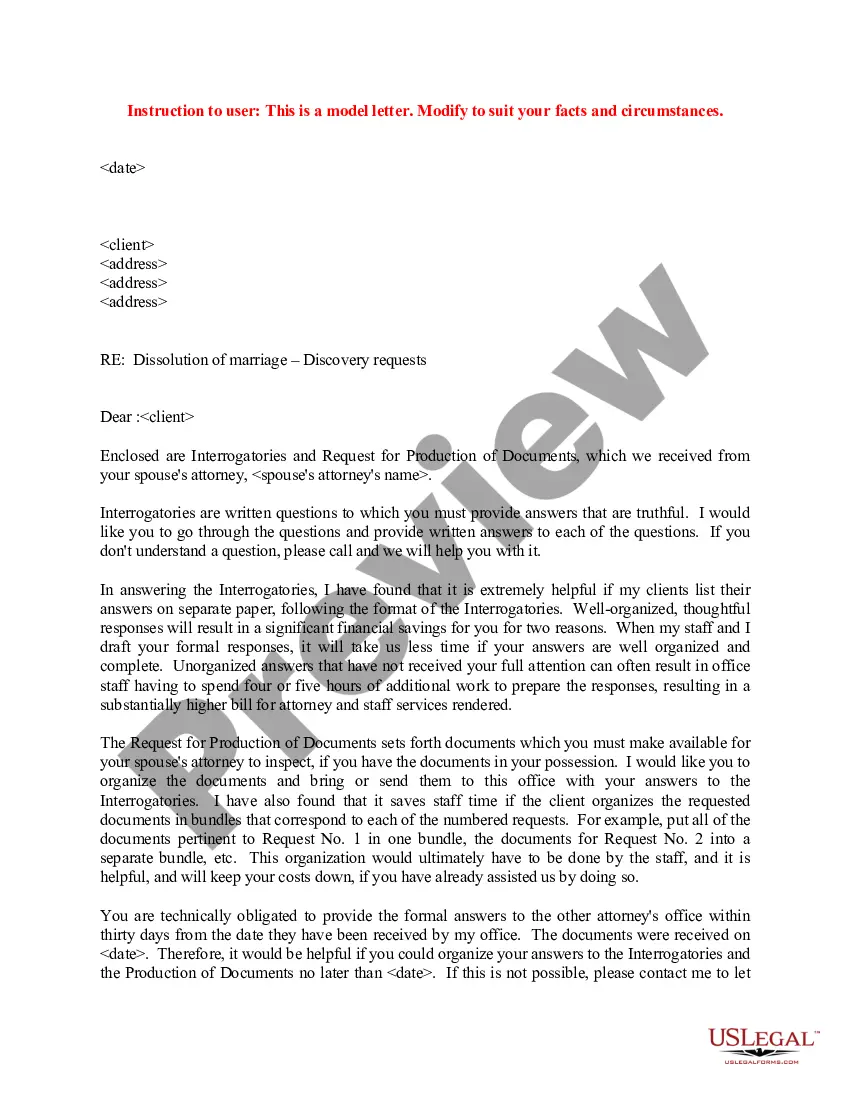
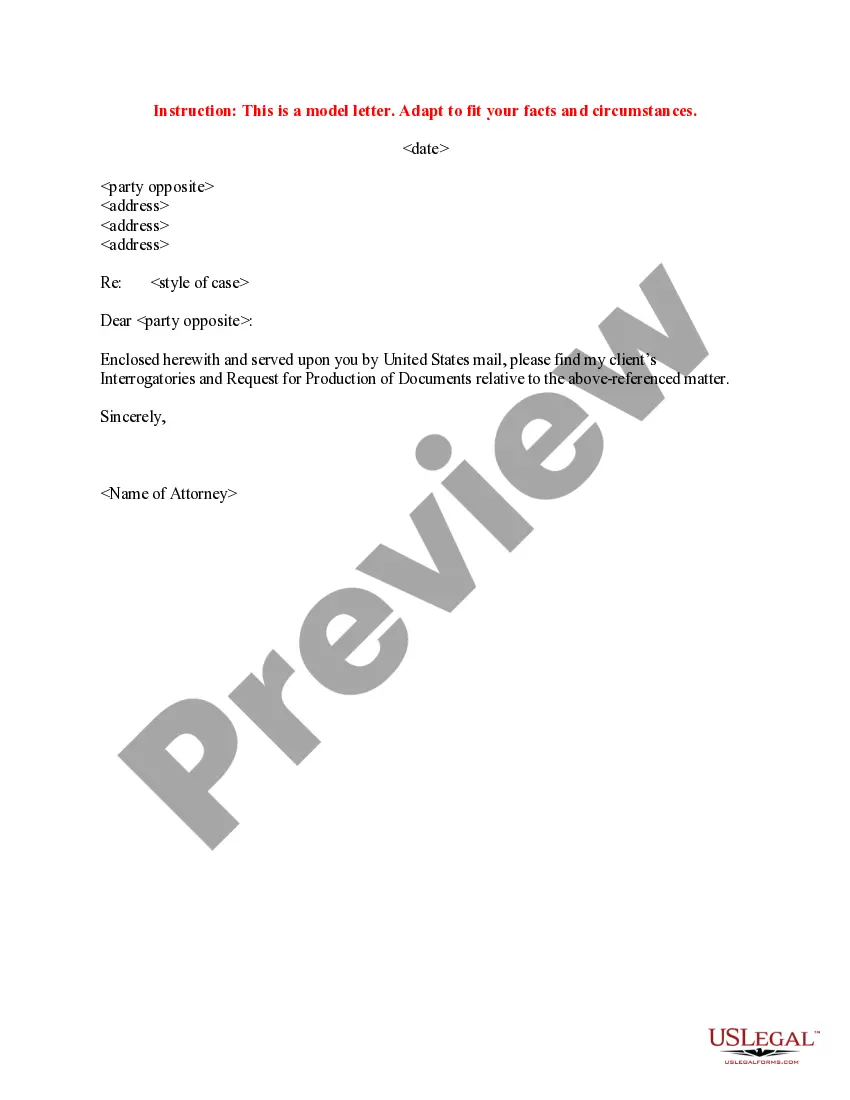
Get your form ready online
Our built-in tools help you complete, sign, share, and store your documents in one place.
Make edits, fill in missing information, and update formatting in US Legal Forms—just like you would in MS Word.
Download a copy, print it, send it by email, or mail it via USPS—whatever works best for your next step.
Sign and collect signatures with our SignNow integration. Send to multiple recipients, set reminders, and more. Go Premium to unlock E-Sign.
If this form requires notarization, complete it online through a secure video call—no need to meet a notary in person or wait for an appointment.
We protect your documents and personal data by following strict security and privacy standards.

Make edits, fill in missing information, and update formatting in US Legal Forms—just like you would in MS Word.

Download a copy, print it, send it by email, or mail it via USPS—whatever works best for your next step.

Sign and collect signatures with our SignNow integration. Send to multiple recipients, set reminders, and more. Go Premium to unlock E-Sign.

If this form requires notarization, complete it online through a secure video call—no need to meet a notary in person or wait for an appointment.

We protect your documents and personal data by following strict security and privacy standards.
Looking for another form?








Form popularity
FAQ
When any party wishes to NOT cooperate with discovery they must file an objection to that discovery request. The objection must contain some articulable reason why the party should not have to participate in this particular discovery request. Discovery requests will often ask for everything under the sun.
The scope of discovery in Illinois allows a party to obtain “full disclosure regarding any matter relevant to the subject matter involved in the pending action, whether it relates to the claim or defense of the party seeking disclosure or of any other party.”8 The concept of relevance is broader in the scope of ...
A party can only send 30 interrogatories. However, this number can be increased if the other party agrees or the court allows more. If there is more than one other party in the case, the requesting party must give copies to all other parties. A party who receives interrogatories has 28 days to answer or object.
All dates set for the disclosure of witnesses, including rebuttal witnesses, and the completion of discovery shall be chosen to ensure that discovery will be completed not later than 60 days before the date on which the trial court reasonably anticipates that trial will commence, unless otherwise agreed by the parties.
Failure to answer or properly object may result in penalties such as dismissal of the case, attorney's fees, fines, or other sanctions. There may be proper objections to certain discovery questions, but they can be highly technical and fact specific. You don't seem to know what you are doing.
As originally promulgated Rule 214 was patterned after former Rule 17. It provided for discovery of documents and tangible things, and for entry upon real estate, in the custody or control of any “party or other person,” by moving the court for an order compelling such discovery.
A person or entity named as a respondent in discovery in any civil action may be made a defendant in the same action at any time within 6 months after being named as a respondent in discovery, even though the time during which an action may otherwise be initiated against him or her may have expired during such 6 month ...
Rule 11 - Manner of Serving Documents Other Than Process and Complaint on Parties Not in Default in the Trial and Reviewing Courts (a)On Whom Made. If a party is represented by an attorney of record, service shall be made upon the attorney. Otherwise service shall be made upon the party.
Rule 45(a)(1)(C) is amended to recognize that electronically stored information, as defined in Rule 34(a), can also be sought by subpoena. Like Rule 34(b), Rule 45(a)(1) is amended to provide that the subpoena can designate a form or forms for production of electronic data.
United States Courts - Norther District Of Illinois. Rule 26(a)(1), Federal Rules of Civil Procedure, requires parties to make initial disclosures within 14 days of the Rule 26(f) conference. Parties are encouraged to conduct their Rule 26(f) conference within 21 days after defendant has filed an appearance.

