Requesting Discovery Form For Canada In Fulton
Description
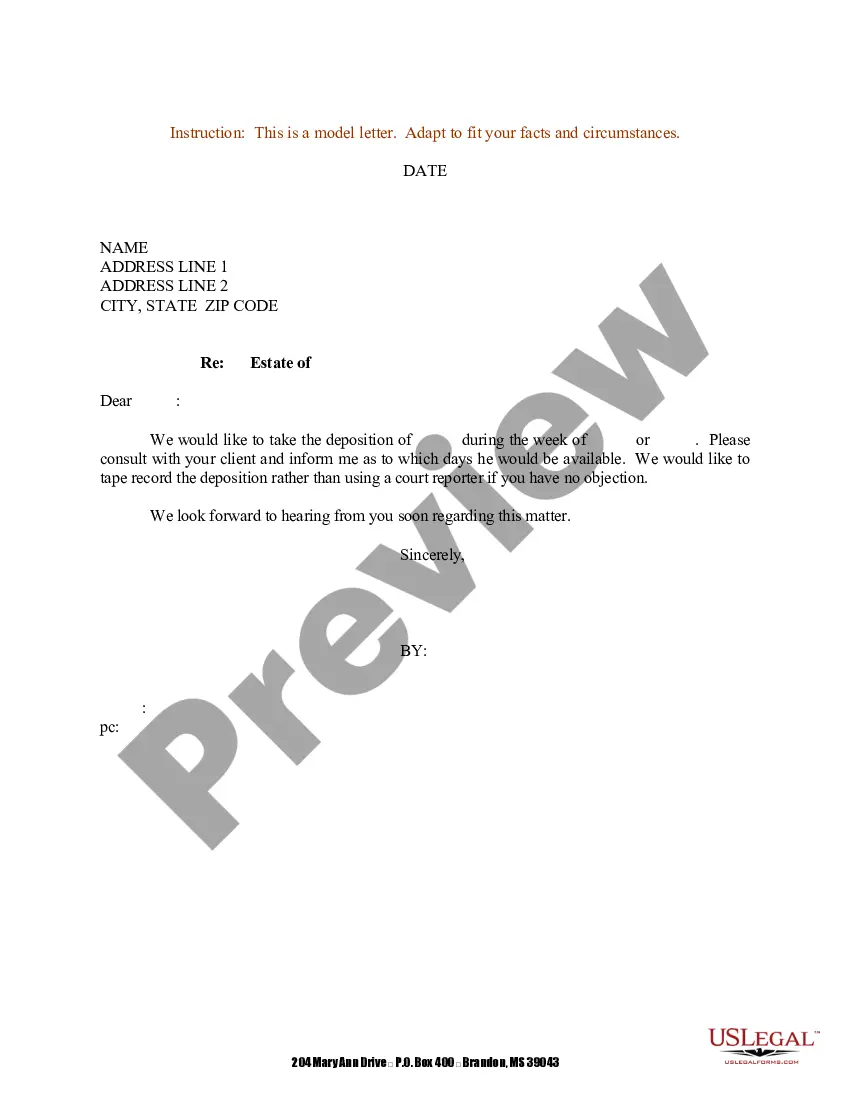
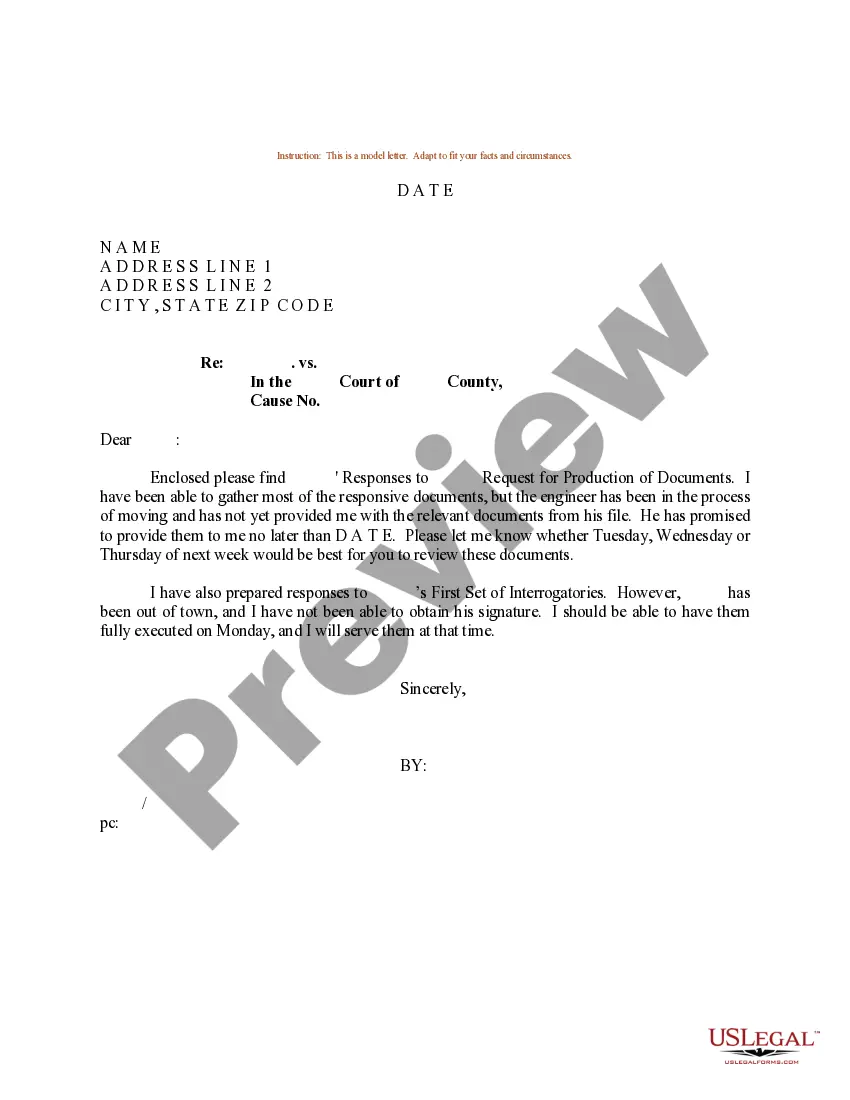
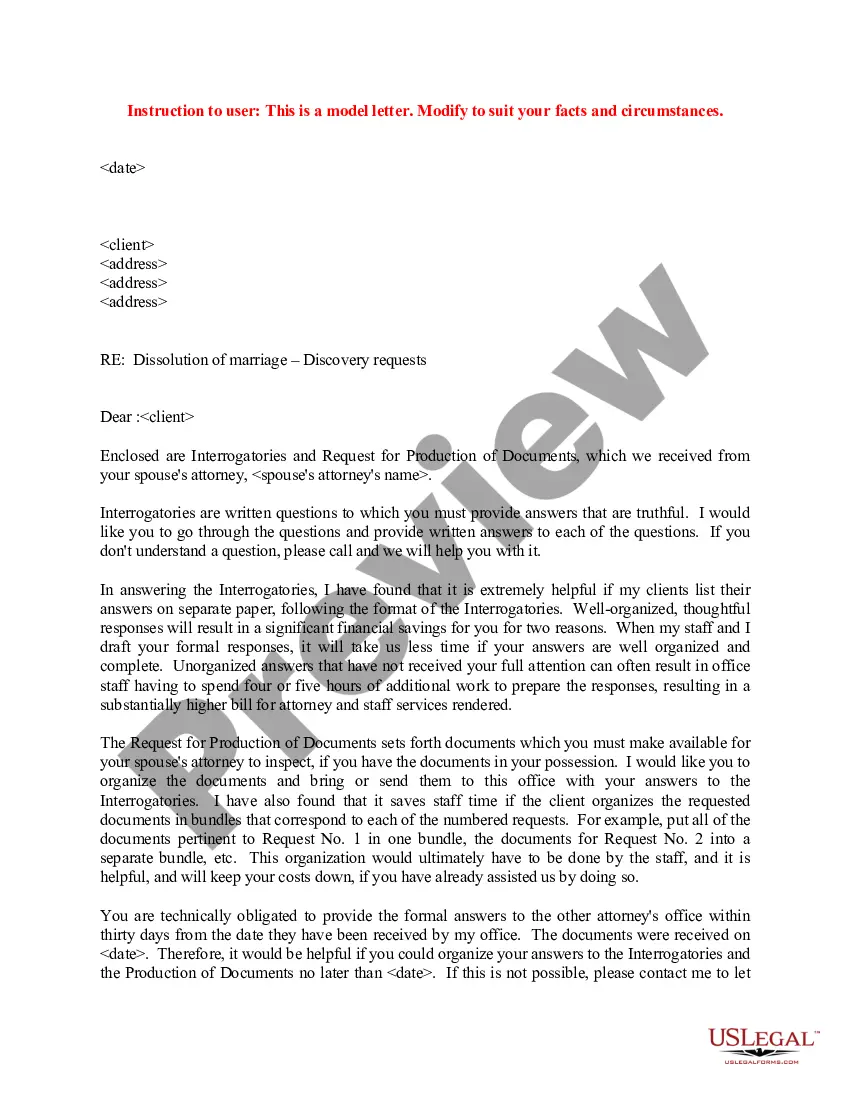
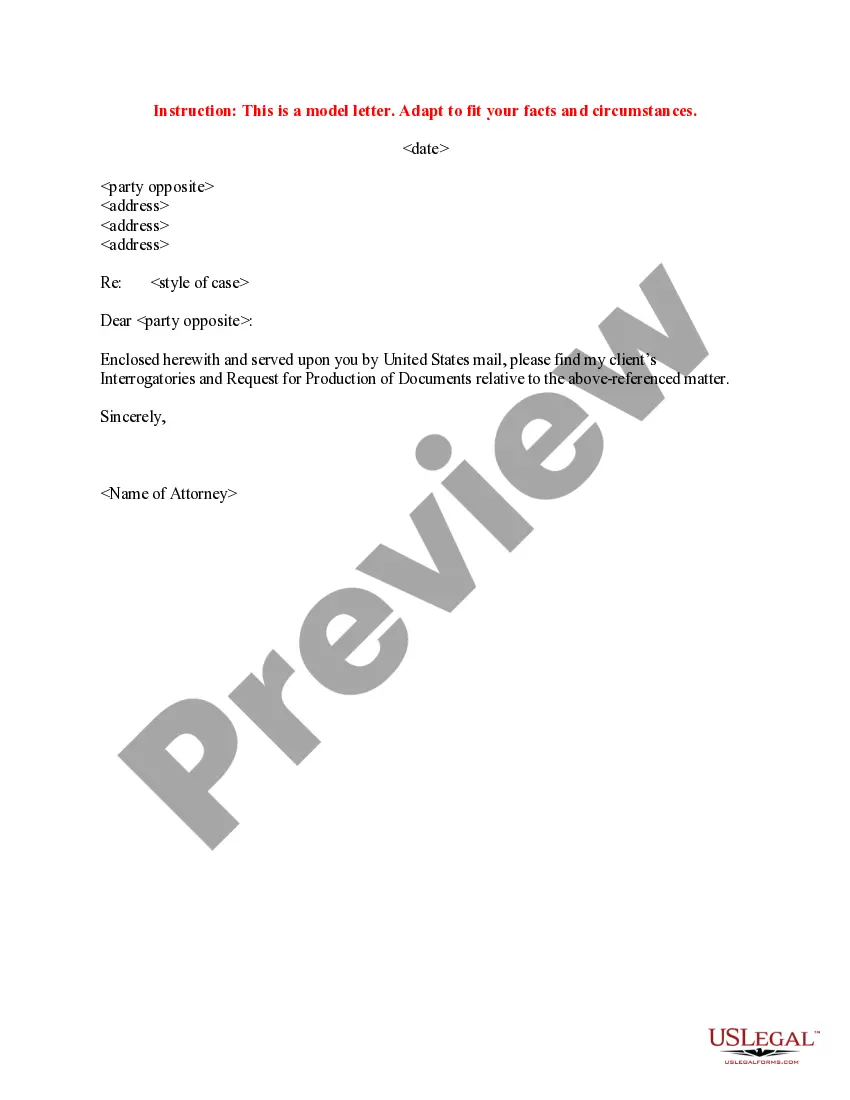
Get your form ready online
Our built-in tools help you complete, sign, share, and store your documents in one place.
Make edits, fill in missing information, and update formatting in US Legal Forms—just like you would in MS Word.
Download a copy, print it, send it by email, or mail it via USPS—whatever works best for your next step.
Sign and collect signatures with our SignNow integration. Send to multiple recipients, set reminders, and more. Go Premium to unlock E-Sign.
If this form requires notarization, complete it online through a secure video call—no need to meet a notary in person or wait for an appointment.
We protect your documents and personal data by following strict security and privacy standards.

Make edits, fill in missing information, and update formatting in US Legal Forms—just like you would in MS Word.

Download a copy, print it, send it by email, or mail it via USPS—whatever works best for your next step.

Sign and collect signatures with our SignNow integration. Send to multiple recipients, set reminders, and more. Go Premium to unlock E-Sign.

If this form requires notarization, complete it online through a secure video call—no need to meet a notary in person or wait for an appointment.

We protect your documents and personal data by following strict security and privacy standards.
Looking for another form?






Form popularity
FAQ
When Is Discovery Available? In New York Supreme Court actions (other than actions in the Commercial Division) discovery is generally available after the defendant interposes its answer. If the defendant serves a pre-answer motion to dismiss, however, then discovery is generally stayed until that motion is decided.
In simple terms, "discovery" is the: process where evidence is exchanged; between the prosecutor and criminal defense attorney; prior to court or trial.
The act or process of seeing, finding, or gaining knowledge of something previously unknown, or an instance of this: The university is dedicated to the discovery, development, communication, and application of knowledge in a wide range of academic and professional fields.
Discovery Phase: Where both parties exchange evidence and information, which includes depositions, requests for documents, and interrogatories of relevant parties.
Discovery is the formal process by which the parties to a case in court exchange information about the case. This includes information about the witnesses and evidence to be presented at trial. Its purpose is to make the parties aware of the evidence which may be presented at trial.
Steps Of The Discovery Process. There are four key actions in the discovery process which include interrogatories, request for documents, request for admissions, and depositions.
How To Write a Discovery Request for Production Have a Meet-and-Confer Session. The first step is to meet and confer with the other party. Determine the Evidence That You Need. The next step is to determine what type of evidence you need. Create a Request. Wait for a Response.
Generally, the prosecution must provide discovery within a set period after the defense's formal request, often ranging from a few weeks to several months. Evidence should be available to the defense either at the preliminary hearing or after the accused has been indicted by a grand jury.
The party upon whom the request is served shall serve a written response within 30 days after the service of the request, except that a defendant may serve a response within 45 days after service of the summons and complaint upon that defendant. The court may allow a shorter or longer time.
Examinations for Discovery are a pre-trial proceeding which permits any party 1 to a civil lawsuit to obtain information about the case of any party who is adverse in interest to him.

