Requesting Discovery Form With Attorney In Clark
Description
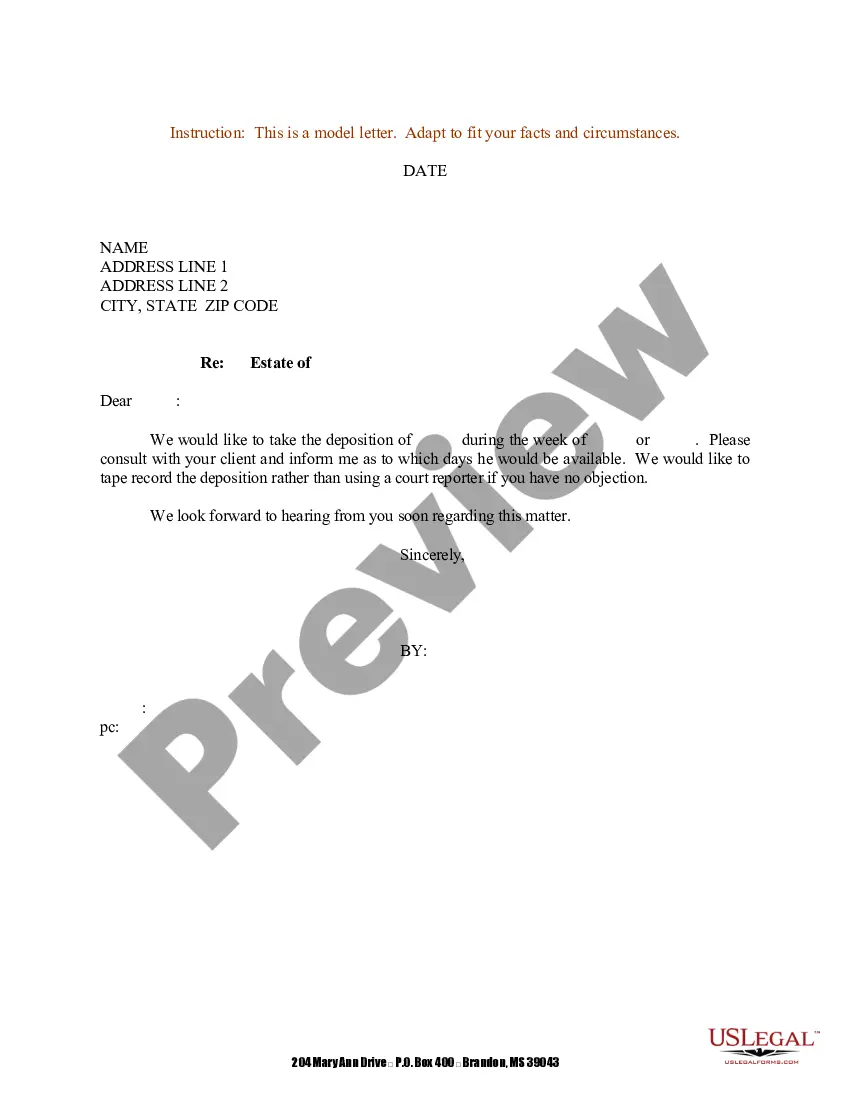
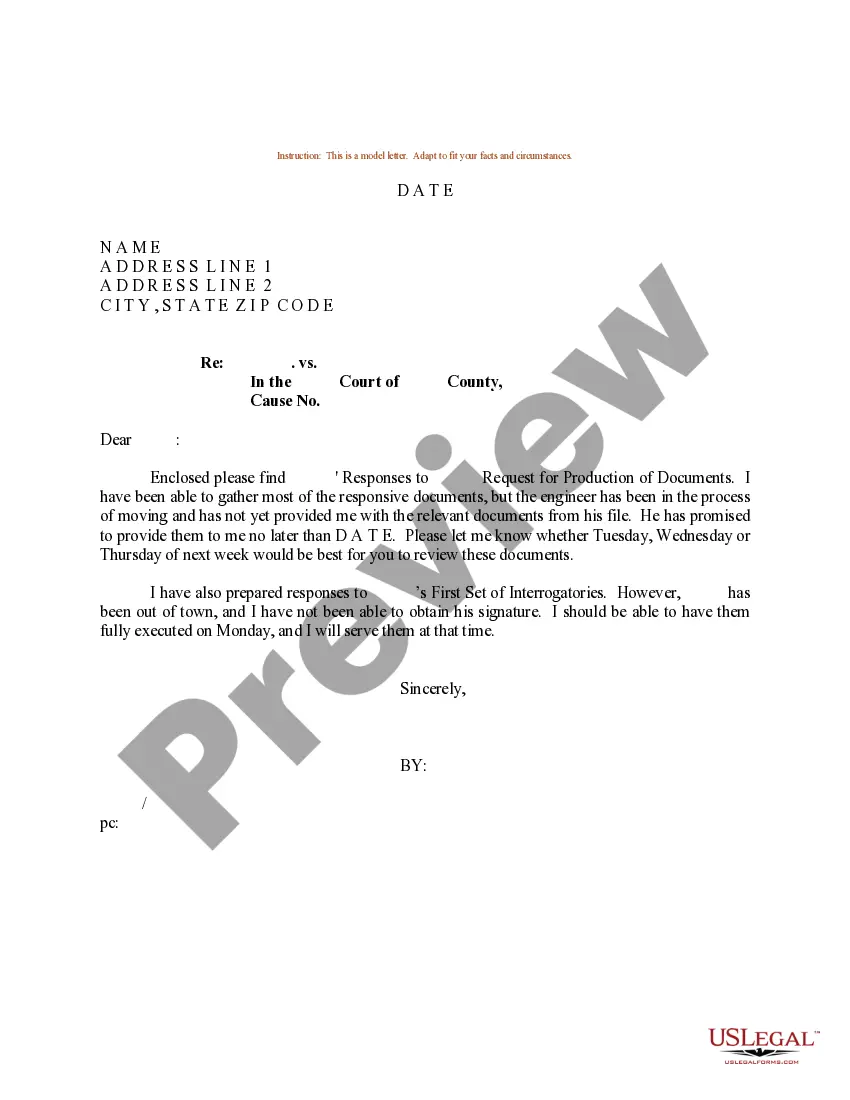
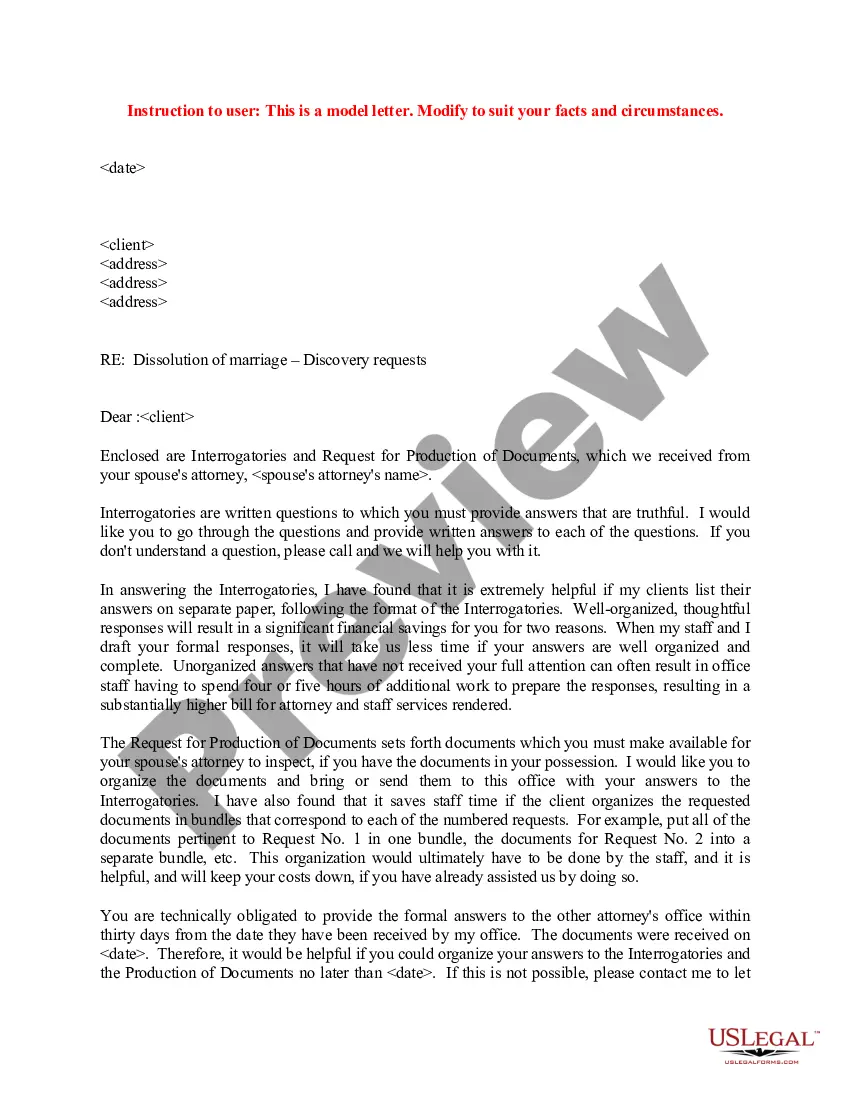
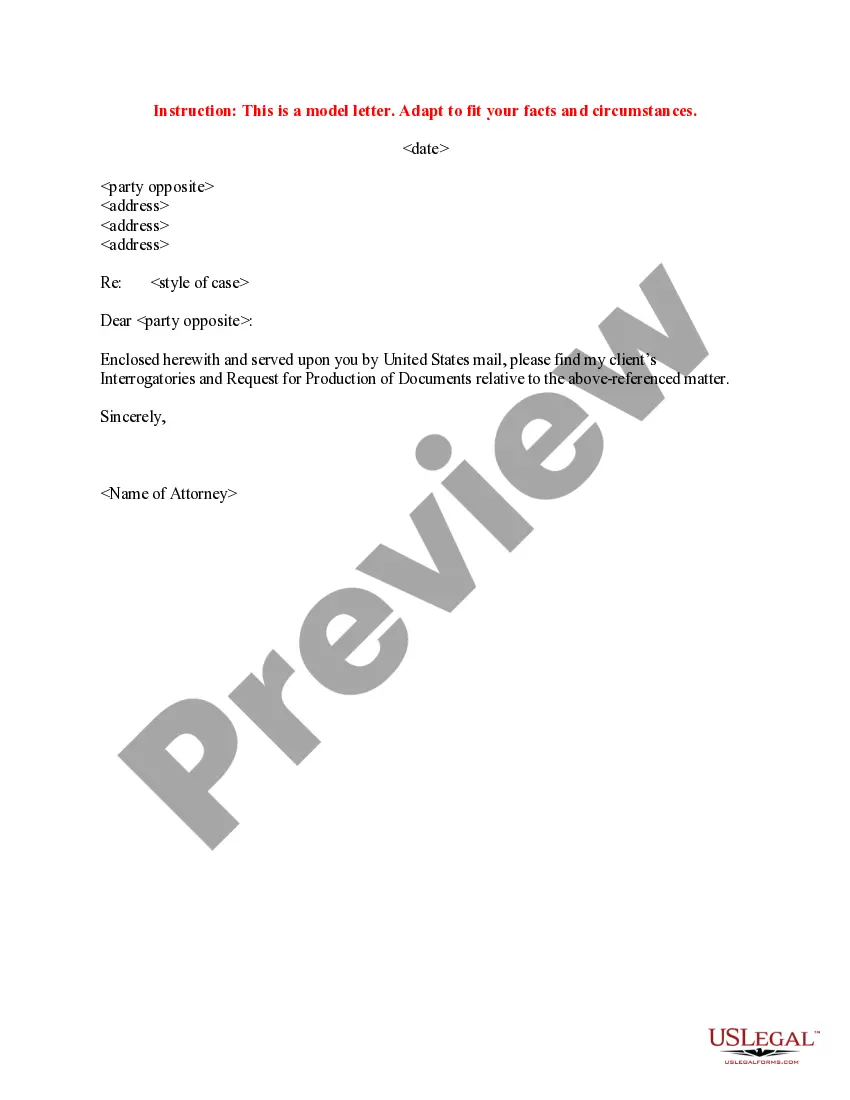
Get your form ready online
Our built-in tools help you complete, sign, share, and store your documents in one place.
Make edits, fill in missing information, and update formatting in US Legal Forms—just like you would in MS Word.
Download a copy, print it, send it by email, or mail it via USPS—whatever works best for your next step.
Sign and collect signatures with our SignNow integration. Send to multiple recipients, set reminders, and more. Go Premium to unlock E-Sign.
If this form requires notarization, complete it online through a secure video call—no need to meet a notary in person or wait for an appointment.
We protect your documents and personal data by following strict security and privacy standards.

Make edits, fill in missing information, and update formatting in US Legal Forms—just like you would in MS Word.

Download a copy, print it, send it by email, or mail it via USPS—whatever works best for your next step.

Sign and collect signatures with our SignNow integration. Send to multiple recipients, set reminders, and more. Go Premium to unlock E-Sign.

If this form requires notarization, complete it online through a secure video call—no need to meet a notary in person or wait for an appointment.

We protect your documents and personal data by following strict security and privacy standards.
Looking for another form?





Form popularity
FAQ
Steps Of The Discovery Process. There are four key actions in the discovery process which include interrogatories, request for documents, request for admissions, and depositions.
How Long Does it Take to Get Discovery in a Criminal Case? Generally, the prosecution must provide discovery within a set period after the defense's formal request, often ranging from a few weeks to several months.
How Long Does the Discovery Process Take? Depending on the type of case, discovery could last a few months to more than a year.
How Does Discovery Work? There are four main types of discovery requests: (1) depositions; (2) interrogatories; (3) requests for admissions; and (4) requests for the production of documents. Depositions are formal witness interviews.
Discovery is how you gather the evidence you will need to prove your case as plaintiff, or defeat the plaintiff's case as a defendant. You use discovery to find out things like: What the other side plans to say about an issue in your case. What facts or witnesses support their side.
In sciences and academic disciplines, discovery is the observation of new phenomena, new actions, or new events and involves providing new reasoning to explain the knowledge gathered through such observations, using knowledge previously acquired through abstract thought and from everyday experiences.
A power of attorney document lets you choose a trusted friend or relative to help you by acting on your behalf. This help can be with your finances and/or health care decisions, for example. Powers of attorney can be written to take effect immediately, or to take effect only when you are unable to manage your affairs.
How Does Discovery Work? There are four main types of discovery requests: (1) depositions; (2) interrogatories; (3) requests for admissions; and (4) requests for the production of documents. Depositions are formal witness interviews.
The discovery process can be divided into two stages: data collection and data processing. The stages are subdivided into phases. Topology deduction takes place during the data processing stage, as the information from the data collection stage is analyzed, interpreted and processed by the stitchers.
Key Takeaways. A discovery meeting includes members of a business or sales team and a potential client to discuss their struggles and possible solutions. A structured discovery session with a clear agenda ensures all crucial areas are covered.

