Requesting Discovery Form For Personal Injury Courts In Bronx
Description
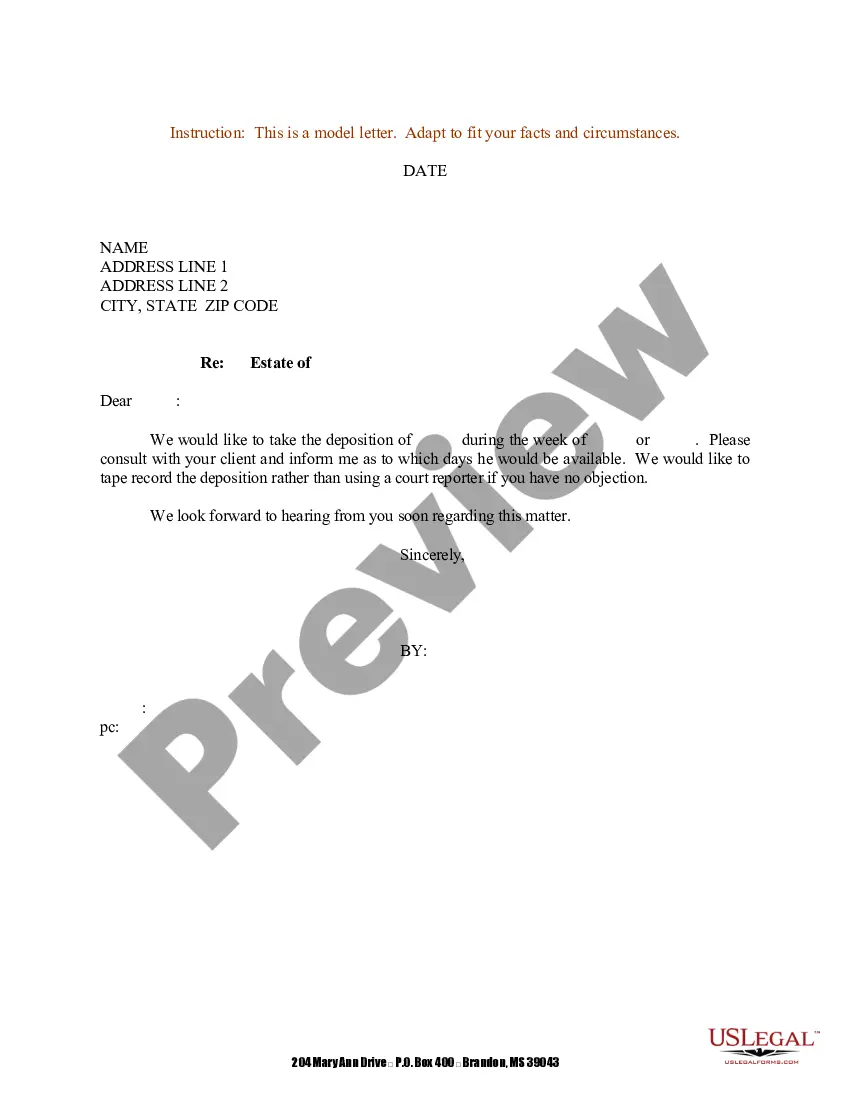
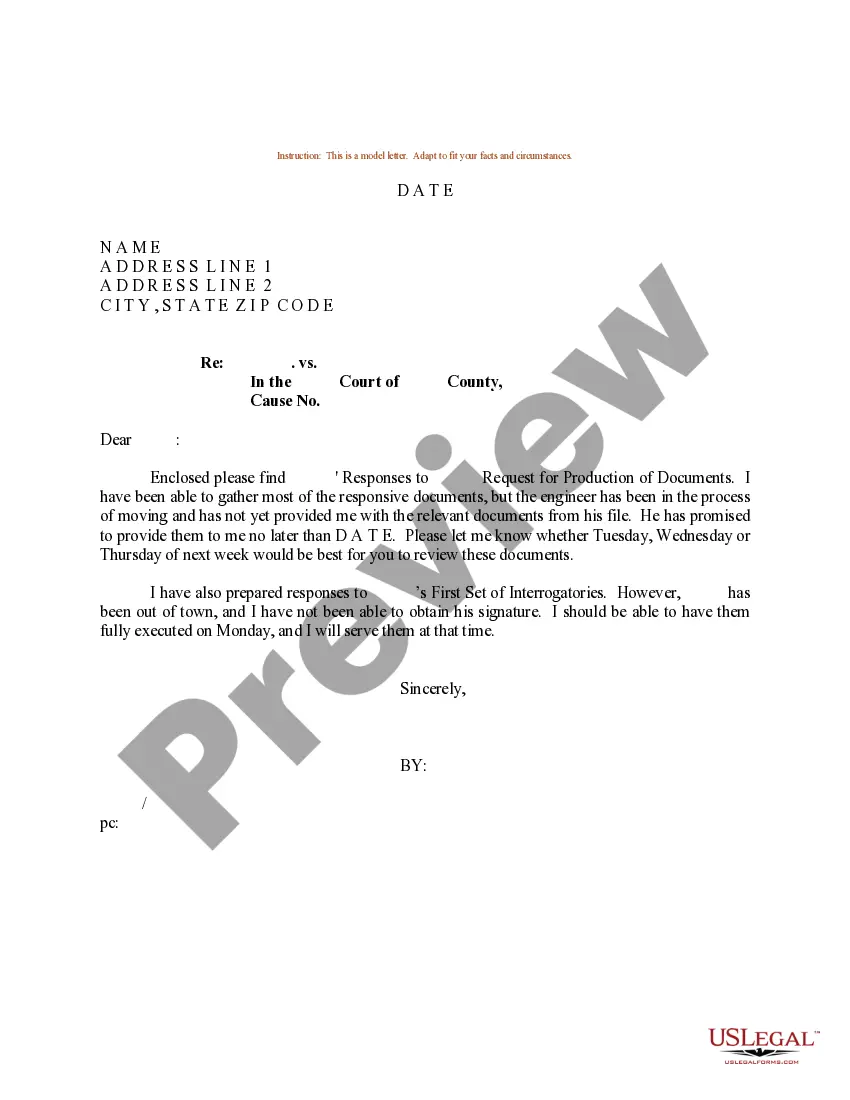
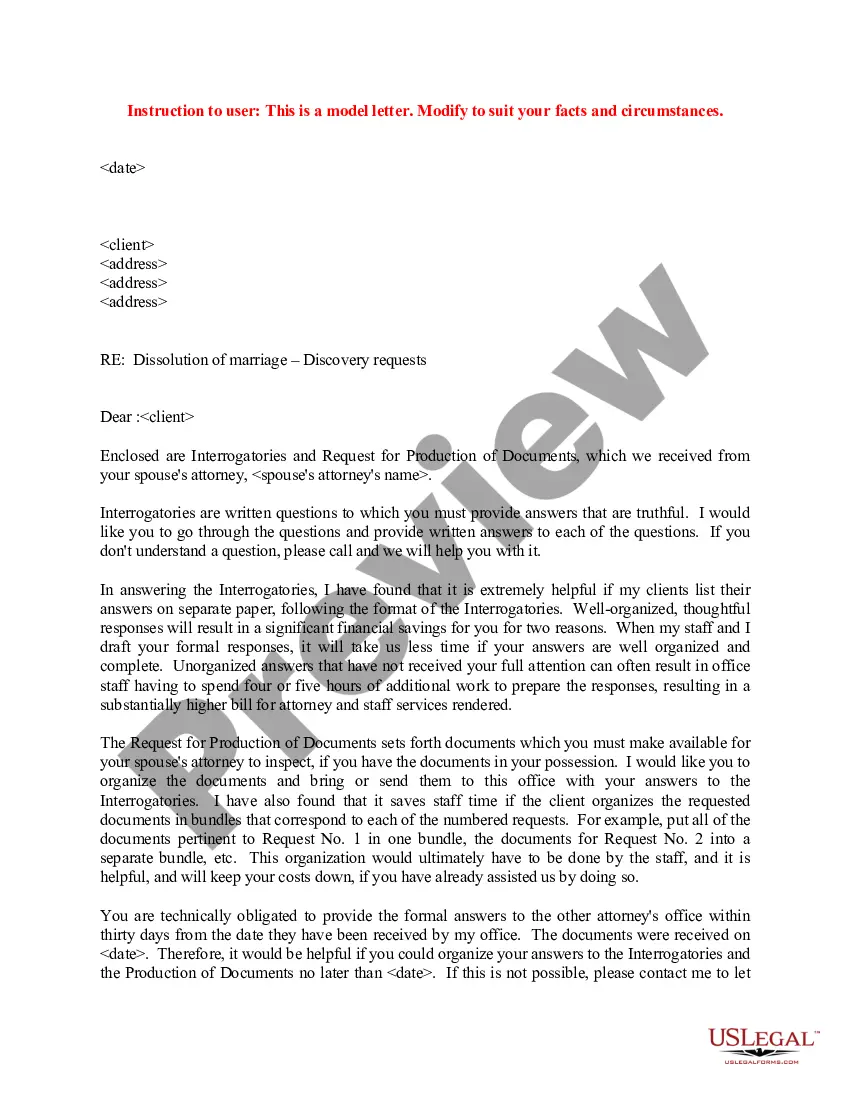
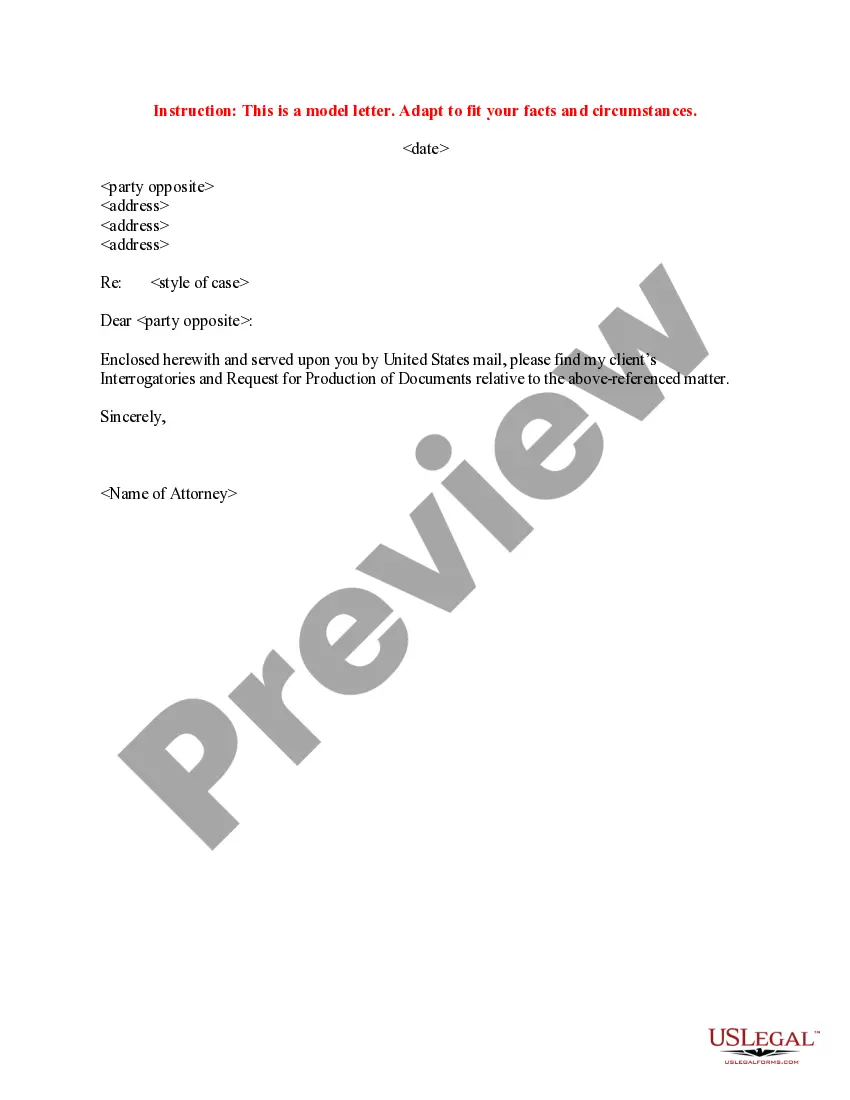
Get your form ready online
Our built-in tools help you complete, sign, share, and store your documents in one place.
Make edits, fill in missing information, and update formatting in US Legal Forms—just like you would in MS Word.
Download a copy, print it, send it by email, or mail it via USPS—whatever works best for your next step.
Sign and collect signatures with our SignNow integration. Send to multiple recipients, set reminders, and more. Go Premium to unlock E-Sign.
If this form requires notarization, complete it online through a secure video call—no need to meet a notary in person or wait for an appointment.
We protect your documents and personal data by following strict security and privacy standards.

Make edits, fill in missing information, and update formatting in US Legal Forms—just like you would in MS Word.

Download a copy, print it, send it by email, or mail it via USPS—whatever works best for your next step.

Sign and collect signatures with our SignNow integration. Send to multiple recipients, set reminders, and more. Go Premium to unlock E-Sign.

If this form requires notarization, complete it online through a secure video call—no need to meet a notary in person or wait for an appointment.

We protect your documents and personal data by following strict security and privacy standards.
Looking for another form?
Form popularity
FAQ
Discovery may be obtained through depositions, written interrogatories, production of documents, physical or mental examinations and requests for admissions. Discovery can be obtained regarding. any matter that is not subject to a privilege (attorney-client privilege or physician-patient privilege for.
You use discovery to get information or evidence from the other side in a lawsuit that will help you make your case. In order to get the information you need, you must make a request using a specific procedure and written format, within a specific timeframe.
You have 30 days to serve a written response to a request for admission, but you may ask the other party for more time. If the other party declines, you may write to the judge to ask for an extension of time. You may admit the matter, specifically deny it, or state in detail why you cannot truthfully admit or deny it.
Case discovery is essentially the exchange of legal. Information and known facts between the partiesMoreCase discovery is essentially the exchange of legal. Information and known facts between the parties involved in a lawsuit. It's a way for both the plaintiff.
In some cases, the offense may not become known until a later date. In these instances, New York laws sometimes allow the statute of limitations period to commence on the date the injury is discovered or should reasonably have been discovered. This is known as the discovery rule.
Discovery generally begins after the defendant files an answer, the parties hold a discovery planning conference, and the judge issues a scheduling order. The discovery process is designed to go forward between the parties with minimal court involvement.
You have 30 days to serve a written response to a request for admission, but you may ask the other party for more time. If the other party declines, you may write to the judge to ask for an extension of time. You may admit the matter, specifically deny it, or state in detail why you cannot truthfully admit or deny it.
Once discovery is completed and all pending motions are resolved, the case will be scheduled for trial. Depending on the Court's trial calendar, it may be several weeks, if not months, before a trial date is available.
(b) Document Demand: As the name indicates, this is a written demand in which one party demands that the other produce certain documents for inspection and copying. (This device is also referred to as a notice of discovery and inspection). The demand must define the items sought with reasonable particularity.
To begin an action in Small Claims Court, a person, or someone acting on his or her behalf, must come to the Small Claims Court Clerk's office in the proper county and fill out a statement of claim. To find out where the clerk's office is located in your county, click on Locations.

