Requesting Discovery Form For Court In Bronx
Description
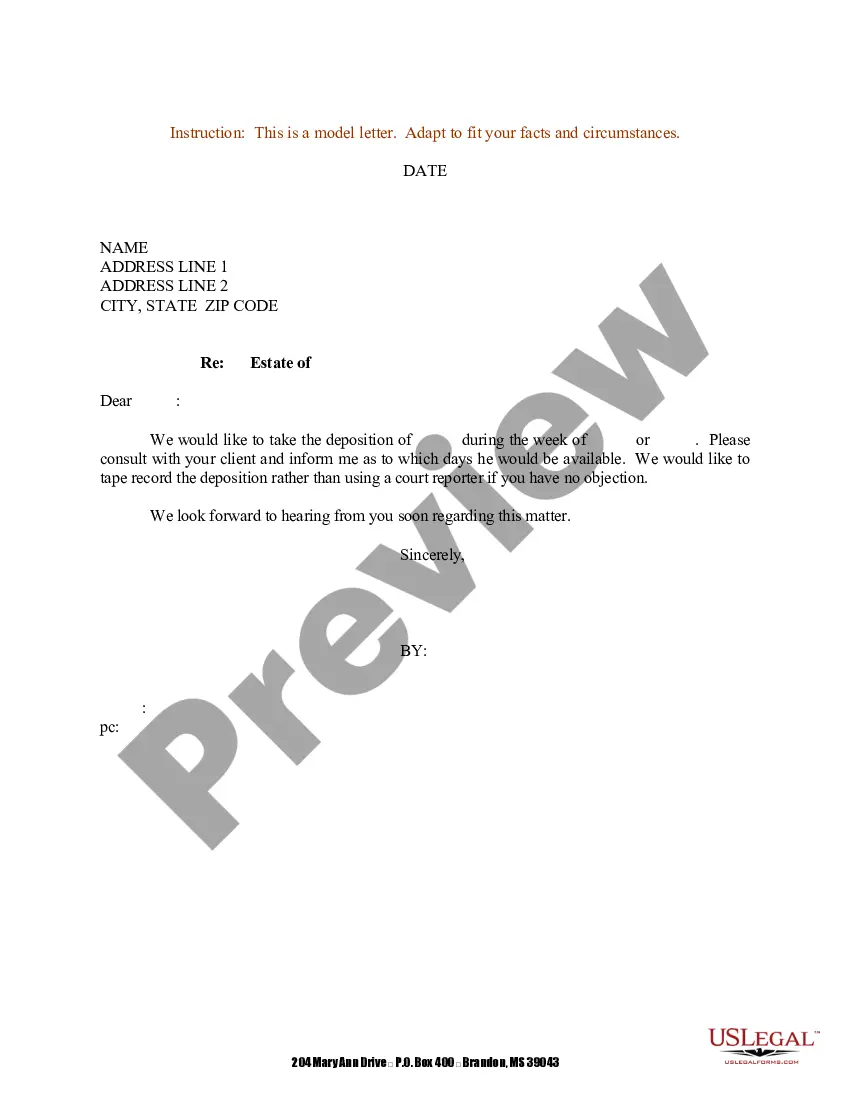
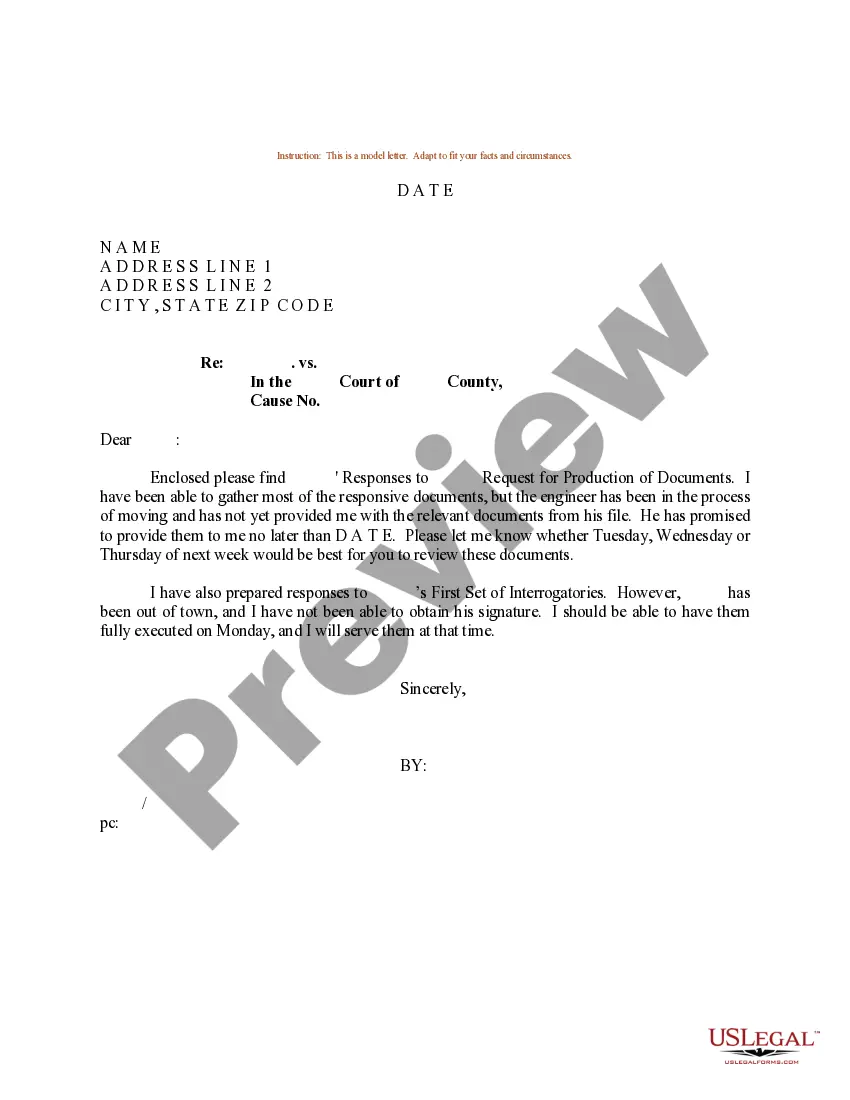
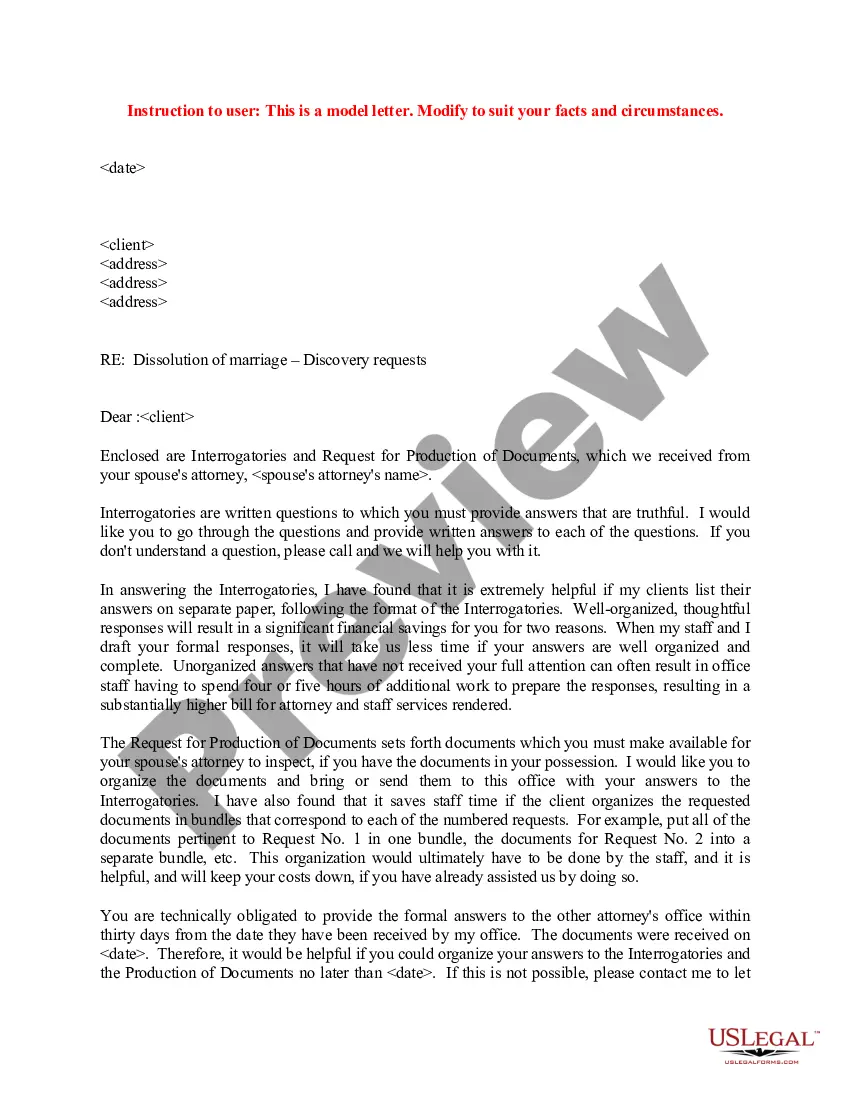
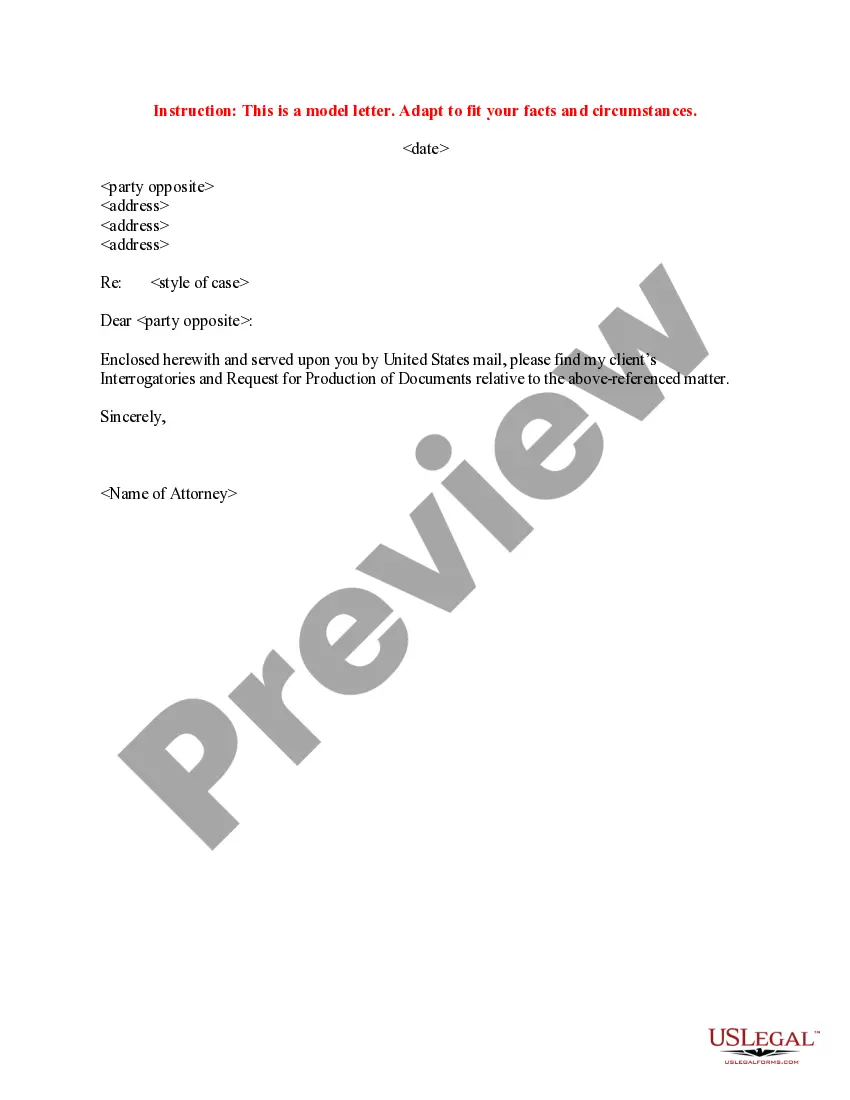
Get your form ready online
Our built-in tools help you complete, sign, share, and store your documents in one place.
Make edits, fill in missing information, and update formatting in US Legal Forms—just like you would in MS Word.
Download a copy, print it, send it by email, or mail it via USPS—whatever works best for your next step.
Sign and collect signatures with our SignNow integration. Send to multiple recipients, set reminders, and more. Go Premium to unlock E-Sign.
If this form requires notarization, complete it online through a secure video call—no need to meet a notary in person or wait for an appointment.
We protect your documents and personal data by following strict security and privacy standards.

Make edits, fill in missing information, and update formatting in US Legal Forms—just like you would in MS Word.

Download a copy, print it, send it by email, or mail it via USPS—whatever works best for your next step.

Sign and collect signatures with our SignNow integration. Send to multiple recipients, set reminders, and more. Go Premium to unlock E-Sign.

If this form requires notarization, complete it online through a secure video call—no need to meet a notary in person or wait for an appointment.

We protect your documents and personal data by following strict security and privacy standards.
Looking for another form?
Form popularity
FAQ
The three primary types of discovery—interrogatories, requests for production of documents, and depositions—play pivotal roles in uncovering facts, clarifying issues, and preparing for trial. Moreover, each method offers unique avenues for gathering evidence and insights essential for building a robust legal strategy.
Discovery is the formal process by which the parties to a case in court exchange information about the case. This includes information about the witnesses and evidence to be presented at trial. Its purpose is to make the parties aware of the evidence which may be presented at trial.
The purpose of a Discovery Document is to gather and document essential information to ensure that the project team, stakeholders, and relevant parties have a clear and common understanding of what needs to be accomplished and how to achieve it.
“At the conclusion of other discovery and at least 30 days prior the discovery cut-off date,” parties may serve contention interrogatories (Comm'l Div. Rule 11-ad). Requests for admission are unlimited and can be served up to 20 days before trial; responses are due within 20 days (CPLR Section 3123a).
The discovery phase is the stage in a lawsuit where both parties gather and exchange information and evidence relevant to their respective cases. This process enables the two sides to build strong arguments, understand the other party's claims, and, in some instances, reach a settlement without the need for a trial.
Getting information from the other side. You use discovery to get information or evidence from the other side in a lawsuit that will help you make your case. In order to get the information you need, you must make a request using a specific procedure and written format, within a specific timeframe.
Motions made by notice of motion and petitions and notices of petition in special proceedings are processed by the General Clerk's Office (Room 119) and are to be made returnable in the Motion Submission Part Courtroom (Room 130) on any business day of the week at AM.
Where are motions returnable? Motions are returnable to 851 Grand Concourse Bronx, New York 10451 in room 217.
The return date is the court date. The party making the motion chooses the court date and puts it in the Notice of Motion so everyone knows when to come to court. NYSCEF wants to know the court date and has a calendar button to find the court date you picked.
A motion may be withdrawn at any time prior to its return date by filing with the clerk a written request signed by counsel for the moving party. A request to withdraw a motion after submission must be supported by a stipulation of withdrawal signed by all counsel.
