Arbitration Agreement For Medical Malpractice In Washington
Description





Get your form ready online
Our built-in tools help you complete, sign, share, and store your documents in one place.
Make edits, fill in missing information, and update formatting in US Legal Forms—just like you would in MS Word.
Download a copy, print it, send it by email, or mail it via USPS—whatever works best for your next step.
Sign and collect signatures with our SignNow integration. Send to multiple recipients, set reminders, and more. Go Premium to unlock E-Sign.
If this form requires notarization, complete it online through a secure video call—no need to meet a notary in person or wait for an appointment.
We protect your documents and personal data by following strict security and privacy standards.

Make edits, fill in missing information, and update formatting in US Legal Forms—just like you would in MS Word.

Download a copy, print it, send it by email, or mail it via USPS—whatever works best for your next step.

Sign and collect signatures with our SignNow integration. Send to multiple recipients, set reminders, and more. Go Premium to unlock E-Sign.

If this form requires notarization, complete it online through a secure video call—no need to meet a notary in person or wait for an appointment.

We protect your documents and personal data by following strict security and privacy standards.
Looking for another form?


Form popularity
FAQ
A claimant will typically start arbitration by sending a document known as a “request for arbitration” or a “notice to arbitrate” to its opponent.
Proving causation is often the most difficult element of a medical malpractice case. However, it is not impossible. With the help of an experienced medical malpractice lawyer, plaintiffs may be able to overcome the challenges of proving causation and win their cases.
If your case involves factors like privacy concerns, the need for a quicker resolution, or the desire to avoid a public jury trial, arbitration might be an ideal solution. However, if you're worried about the finality of the arbitrator's decision or the potential for bias, you might prefer the traditional court route.
The only disputes which may not be determined by way of arbitration proceedings are matters in respect of any matrimonial cause (or incidental thereto) and matters relating to status, for example sequestration or liquidation proceedings.
You may seek arbitration voluntarily if a malpractice dispute arises, and you want to reach a settlement without formal court proceedings. Patients may find arbitration more appealing than a courtroom trial for several reasons.
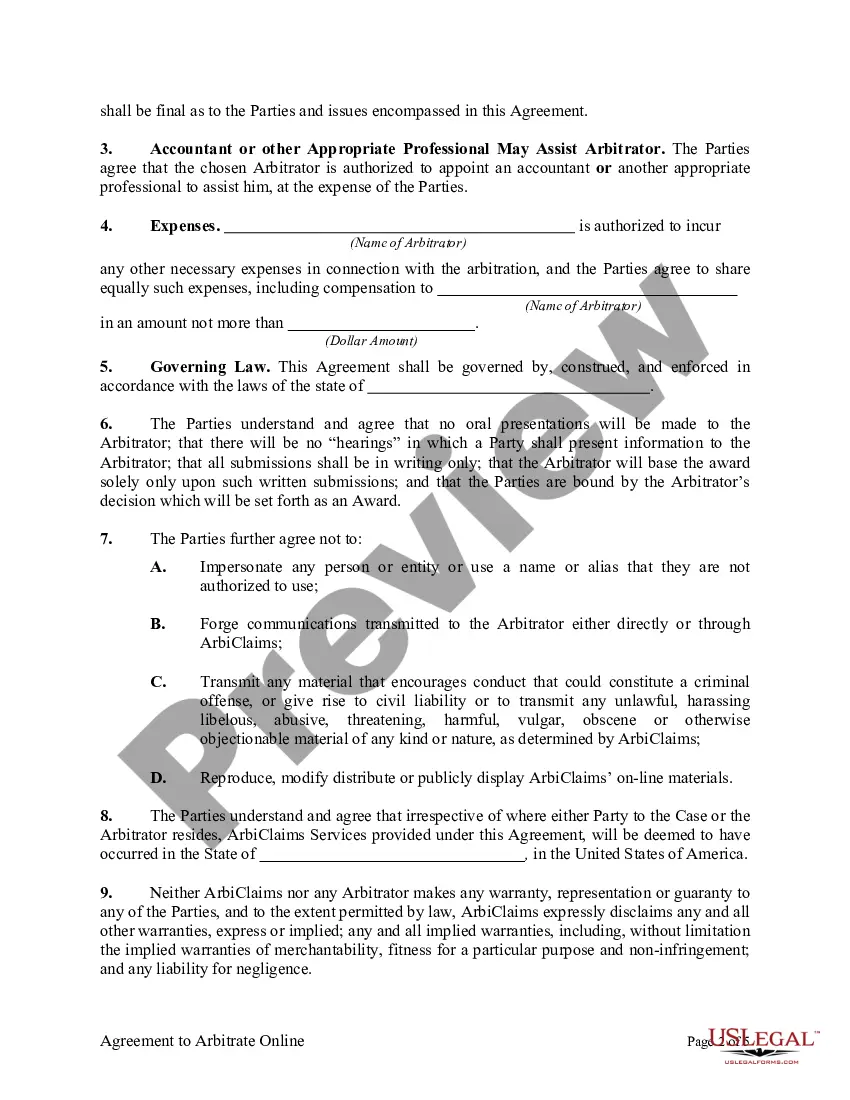
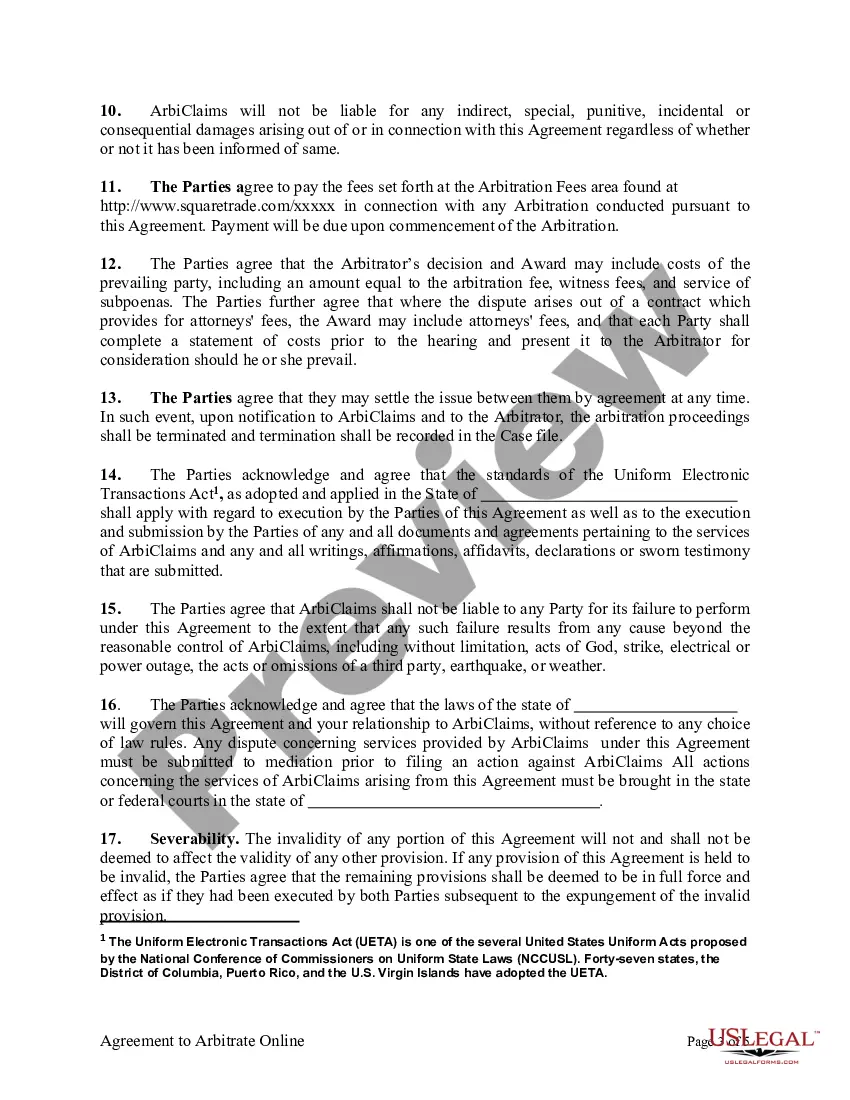
1 Arbitration agreements for medical malpractice are written contracts between health care providers and patients in which both agree to arbitrate any dispute or claim arising from the medical care provided to the patient by the health care provider.
1 Arbitration agreements for medical malpractice are written contracts between health care providers and patients in which both agree to arbitrate any dispute or claim arising from the medical care provided to the patient by the health care provider.
In Washington, there's no cap on the damages you can win in medical malpractices cases, but the Statute of Limitations requires that you file within 3 years of your injury.
Doctors and surgeons who fail to provide the expected standard of care to their patients can be sued for medical malpractice. Doctors and surgeons commonly face medical malpractice lawsuits that involve “never events,” which are linked to serious patient injuries, illnesses, and death.
(1) An agreement contained in a record to submit to arbitration any existing or subsequent controversy arising between the parties to the agreement is valid, enforceable, and irrevocable except upon a ground that exists at law or in equity for the revocation of contract.
