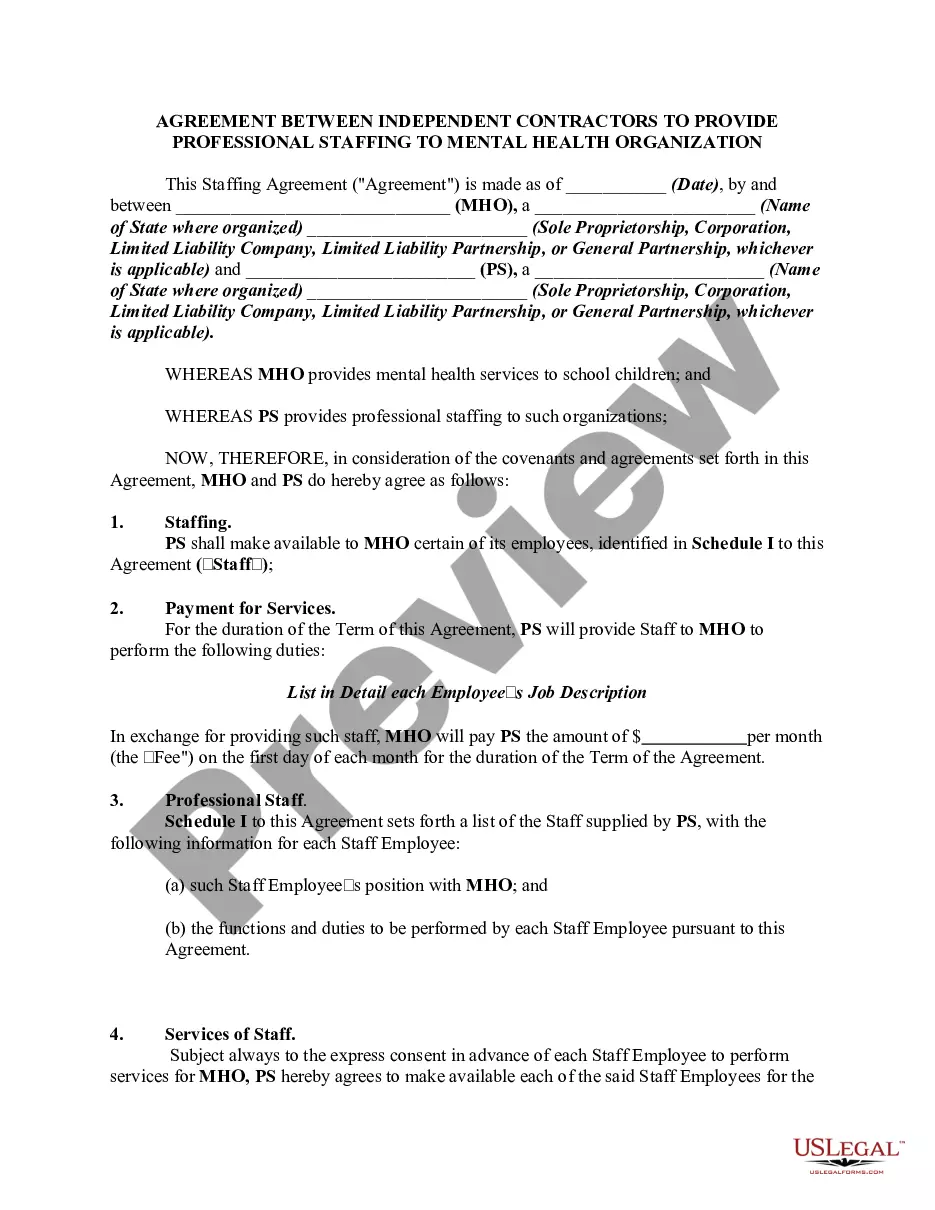
Agreement To Arbitrate Claims In Nevada
Description





Get your form ready online
Our built-in tools help you complete, sign, share, and store your documents in one place.
Make edits, fill in missing information, and update formatting in US Legal Forms—just like you would in MS Word.
Download a copy, print it, send it by email, or mail it via USPS—whatever works best for your next step.
Sign and collect signatures with our SignNow integration. Send to multiple recipients, set reminders, and more. Go Premium to unlock E-Sign.
If this form requires notarization, complete it online through a secure video call—no need to meet a notary in person or wait for an appointment.
We protect your documents and personal data by following strict security and privacy standards.

Make edits, fill in missing information, and update formatting in US Legal Forms—just like you would in MS Word.

Download a copy, print it, send it by email, or mail it via USPS—whatever works best for your next step.

Sign and collect signatures with our SignNow integration. Send to multiple recipients, set reminders, and more. Go Premium to unlock E-Sign.

If this form requires notarization, complete it online through a secure video call—no need to meet a notary in person or wait for an appointment.

We protect your documents and personal data by following strict security and privacy standards.
Looking for another form?







Form popularity
FAQ
By signing an arbitration agreement, employees give up their rights to have a jury hear and decide their case. There can often be an advantage to having an employment dispute heard before a jury, as jurors may be more sympathetic to the employee's plight.
Resolving disputes through arbitration, rather than litigation, benefits consumers, employees, and businesses–the only ones that do not benefit from arbitration are plaintiffs' lawyers.
In most cases, the party that started the arbitration initially by filing a claim will present their case first and the opposing party will then have an opportunity to present their defense, but the arbitrator will ultimately decide the order.
But two unspoken reasons are also driving the trend toward arbitration. First is the fact that arbitration results tend to favor employers over employees. There are lots of institutional reasons for this bias, starting with the fact that the corporation is responsible for actually paying the fees for the arbitrator.
Should you sign an arbitration agreement? If you agree to engage in a possible future arbitration voluntarily, mutually determine the ground rules of arbitration and agree to choose an impartial arbitrator together, you are likely to find arbitration to be not only inexpensive and fast but also fair.
The request for exemption must be filed within 21 days after the filing of an answer by the first answering defendant, and the party requesting the exemption must certify that his or her case is included in one of the categories of exempt cases listed in NAR 5(b). The parties may file a joint request for exemption.
Arguments should flow easily from the relevant facts and applicable law. Avoid exaggerating the strengths of your case as well as disparaging the opposing side. Remember that professionalism and credibility are critical to persuasiveness.
Notably, ing to Section 21 of the Arbitration Act, the arbitration proceedings commence when a notice invoking arbitration is sent by the Claimant to the other party within a maximum period of 3 years from the date of occurrence of cause of action.
A claimant will typically start arbitration by sending a document known as a “request for arbitration” or a “notice to arbitrate” to its opponent.
FINRA requires investors and other parties to file their arbitration claims via the DR Portal—except for investors representing themselves, who have the option to file by mail. If you are new to the DR Portal, please create an account. Login to the DR Portal and select “File a New Arbitration Claim” in the left column.