Arbitration Agreement For Divorce In Minnesota
Description

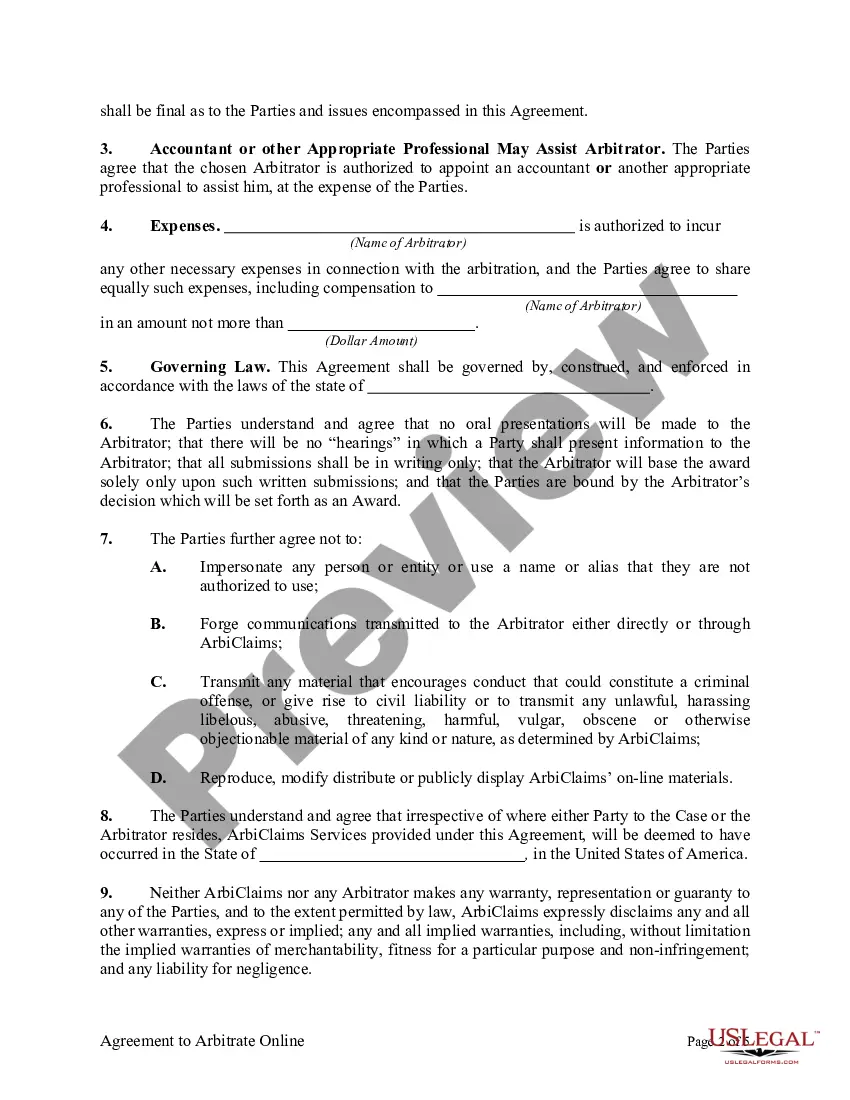
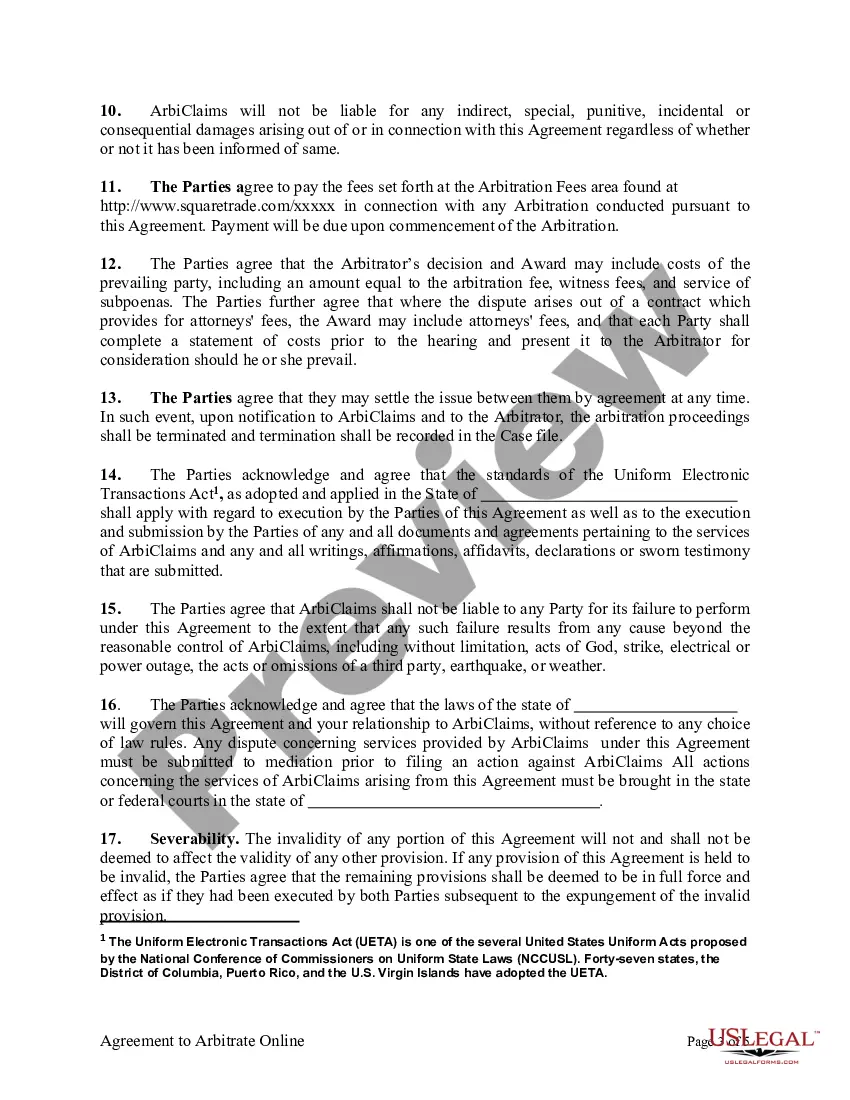

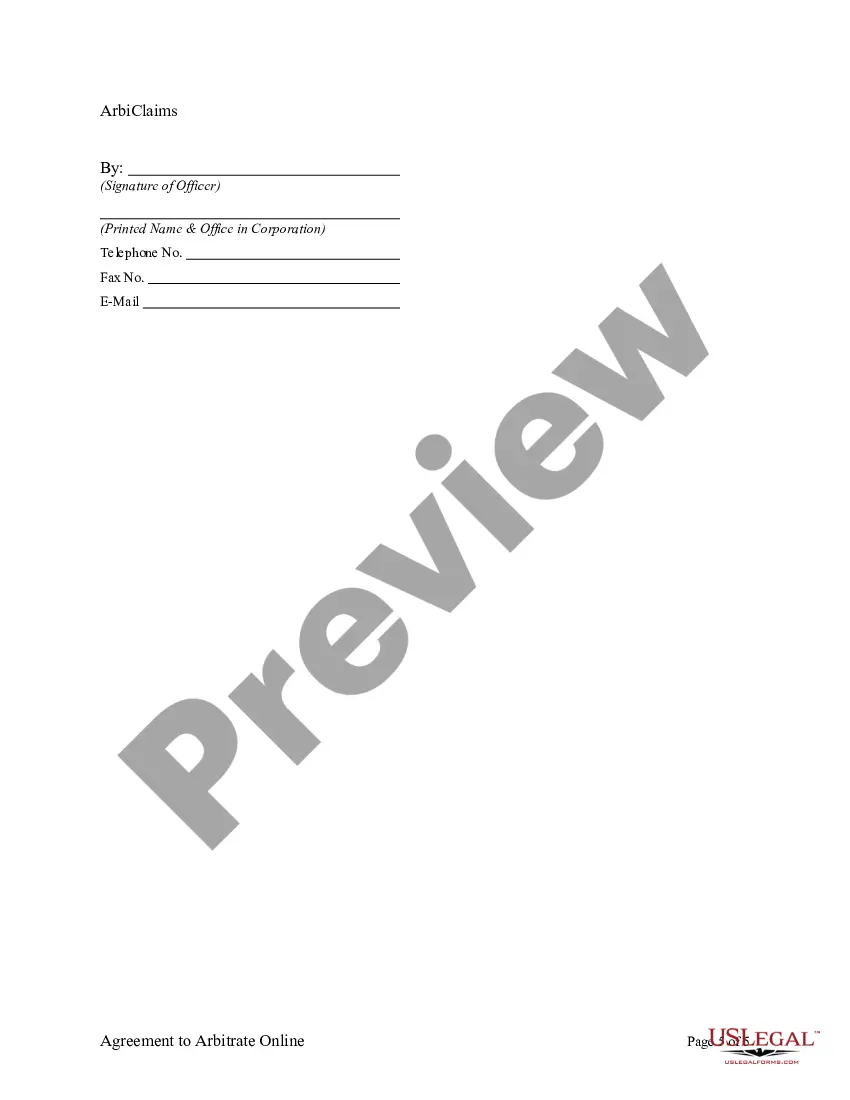



Get your form ready online
Our built-in tools help you complete, sign, share, and store your documents in one place.
Make edits, fill in missing information, and update formatting in US Legal Forms—just like you would in MS Word.
Download a copy, print it, send it by email, or mail it via USPS—whatever works best for your next step.
Sign and collect signatures with our SignNow integration. Send to multiple recipients, set reminders, and more. Go Premium to unlock E-Sign.
If this form requires notarization, complete it online through a secure video call—no need to meet a notary in person or wait for an appointment.
We protect your documents and personal data by following strict security and privacy standards.

Make edits, fill in missing information, and update formatting in US Legal Forms—just like you would in MS Word.

Download a copy, print it, send it by email, or mail it via USPS—whatever works best for your next step.

Sign and collect signatures with our SignNow integration. Send to multiple recipients, set reminders, and more. Go Premium to unlock E-Sign.

If this form requires notarization, complete it online through a secure video call—no need to meet a notary in person or wait for an appointment.

We protect your documents and personal data by following strict security and privacy standards.
Looking for another form?
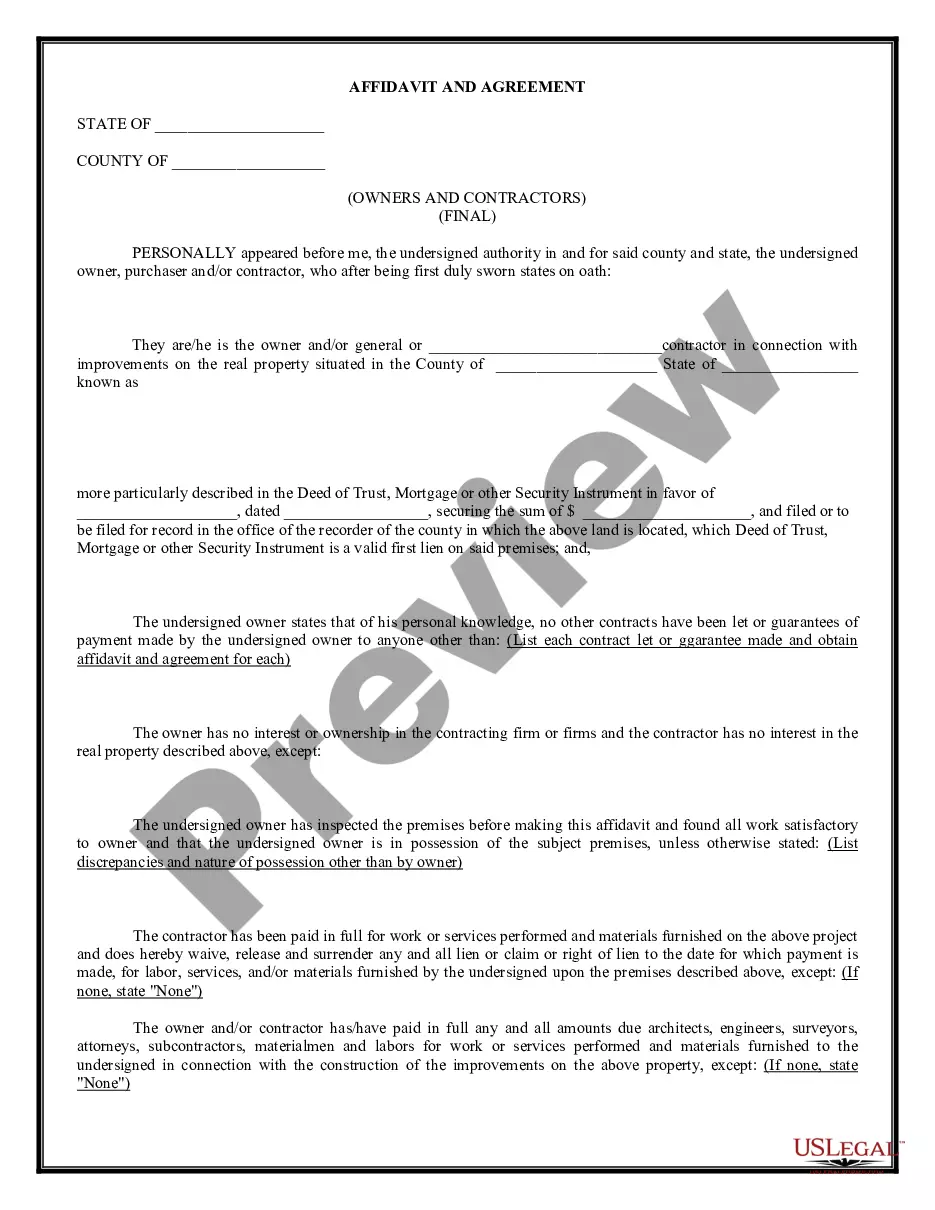
Form popularity
FAQ
Generally Arbitration Agreements Are Enforceable When faced with the question of whether or not to enforce an agreement to arbitrate, American courts routinely uphold the vast majority of arbitration clauses.
Error # 1: Ignoring a clause in the arbitration agreement delegating enforceability determinations to the arbitrator, and the individual asking the court to throw out the arbitration requirement. This sets the consumer or worker up to lose a winnable challenge as the court may just rule it will be up to the arbitrator.
Arbitration replaces the full trial process with multiple people (a panel) who will serve as judges. Most arbitration sessions use three chosen people, or arbitrators, to make decisions about your divorce based on a majority vote. Arbitration can be as formal or informal as you desire.
A party is deceived, intimidated, or coerced during the execution of the arbitration agreement and requests a declaration that such arbitration agreement is invalid; and. The arbitration agreement violates prohibitions specified by the law.
Arbitration is a fairer, faster, and less expensive way to resolve disputes than time-consuming and expensive litigation.
Minnesota follows federal law regarding arbitration, meaning that arbitration agreements are generally enforceable unless they violate contract law principles such as fraud, duress or unconscionability.
Summary Dissolution to Get Divorced Quickly In Minnesota, the legal word for divorce is dissolution, and there are two types: regular and summary. Summary dissolution is a fast track to divorce, allowing you to finalize your divorce in as little as one month.
Rule 114. All civil cases are subject to Alternative Dispute Resolution (ADR) processes, except for those actions enumerated in Minnesota Statutes, section 484.76 and Rules 111.01 and 310.01 of these rules. (Amended effective July 1, 1997.)
If you are going through a divorce, your marital property will be divided based on principles of equity and fairness. This doesn't mean you automatically receive 50% of each asset. You, your spouse, and your attorneys can negotiate how to divide the property depending on your needs, and your goals.
If you think your relationship may end in divorce, your first step should be to consult an experienced divorce attorney. Even if you have not fully made a decision, they can help you to understand what the likely outcomes may be in terms of financial and custody arrangements.
