Agreement To Arbitrate In Houston
Description

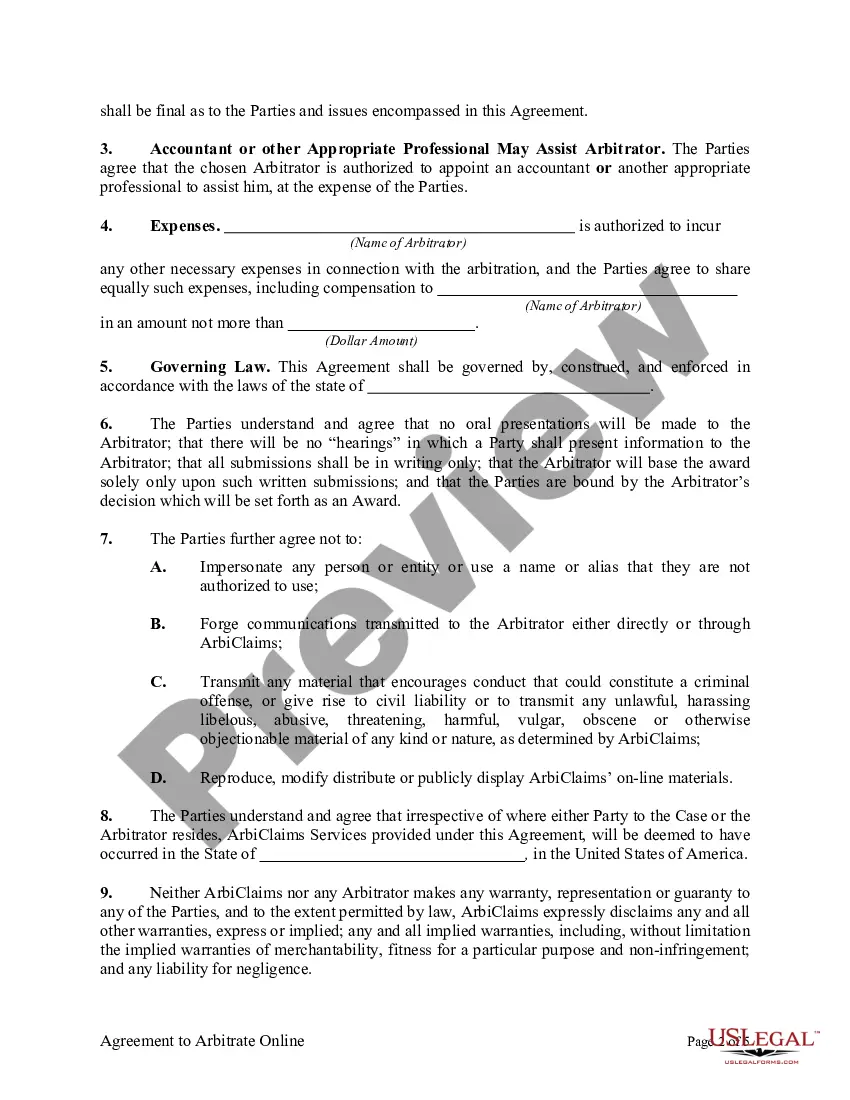

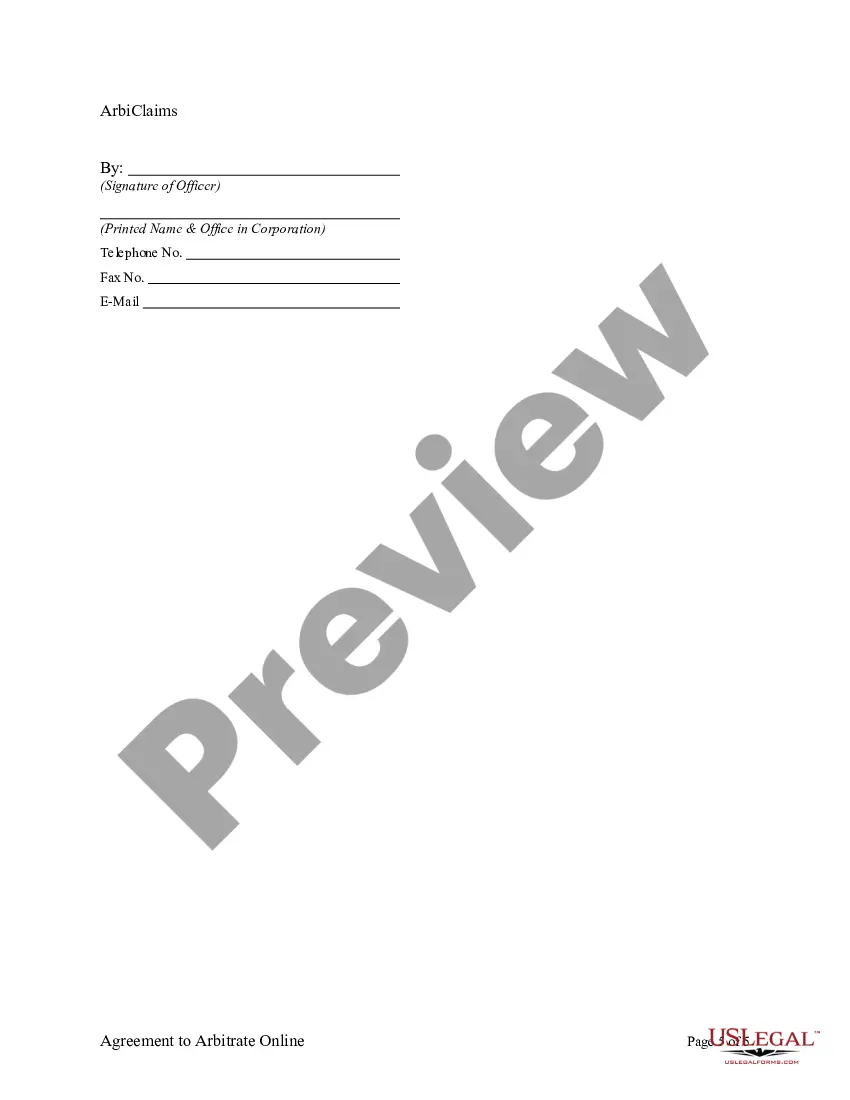



Get your form ready online
Our built-in tools help you complete, sign, share, and store your documents in one place.
Make edits, fill in missing information, and update formatting in US Legal Forms—just like you would in MS Word.
Download a copy, print it, send it by email, or mail it via USPS—whatever works best for your next step.
Sign and collect signatures with our SignNow integration. Send to multiple recipients, set reminders, and more. Go Premium to unlock E-Sign.
If this form requires notarization, complete it online through a secure video call—no need to meet a notary in person or wait for an appointment.
We protect your documents and personal data by following strict security and privacy standards.

Make edits, fill in missing information, and update formatting in US Legal Forms—just like you would in MS Word.

Download a copy, print it, send it by email, or mail it via USPS—whatever works best for your next step.

Sign and collect signatures with our SignNow integration. Send to multiple recipients, set reminders, and more. Go Premium to unlock E-Sign.

If this form requires notarization, complete it online through a secure video call—no need to meet a notary in person or wait for an appointment.

We protect your documents and personal data by following strict security and privacy standards.
Looking for another form?
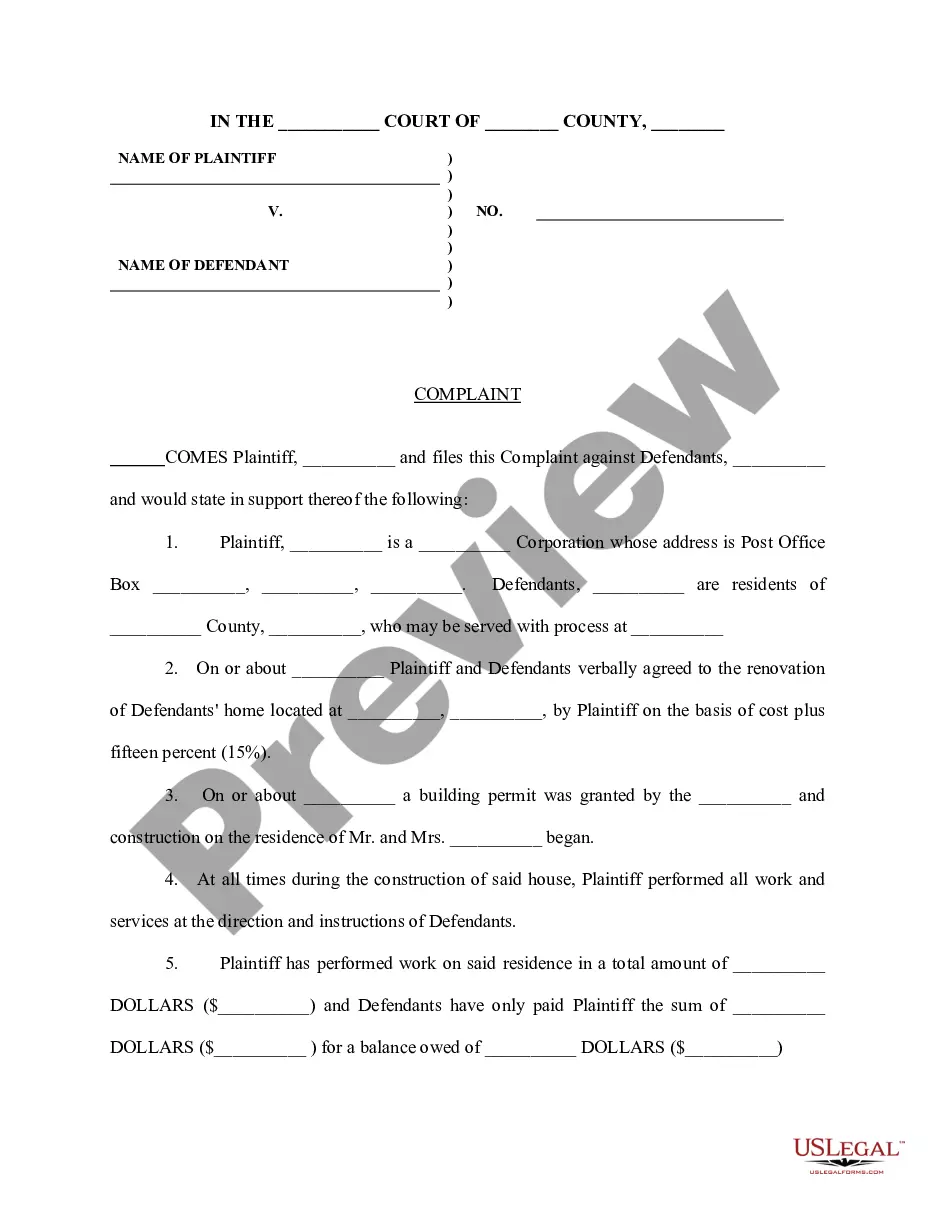






Form popularity
FAQ
A claimant will typically start arbitration by sending a document known as a “request for arbitration” or a “notice to arbitrate” to its opponent.
There are typically seven stages of the arbitration process: Claimant Files a Claim. Respondent Submits Answer. Parties Select Arbitrators. Parties Attend Initial Prehearing Conference. Parties Exchange Discovery. Parties Attend Hearings. Arbitrators Deliberate and Render Award.
Either Party to a contract in which there is an Arbitration clause can either himself or through an authorised agent may invoke Arbitration so as to refer the dispute to arbitration, as per provisions of the arbitration clause.
Under Section 171.001 of the TAA, written agreements to arbitrate are generally valid and enforceable in Texas.
A claimant will typically start arbitration by sending a document known as a “request for arbitration” or a “notice to arbitrate” to its opponent.
Necessary Elements Details of the Parties. Details of the relationship between the parties. Demand for Arbitration. The mention of agreement/contract (if any). The mention of already existing arbitration agreement between the parties pursuant to which the concerned notice of arbitration has been sent (if any).
Arbitration is a form of alternative dispute resolution. It allows both sides to present their case in an expedited fashion to a panel of three attorneys who render a decision that same day. 2.
Texas Arbitration Rules The Texas Arbitration Act states that an arbitration provision can be revoked only if a party has legal grounds to do so. In other words, this means that if you sign an arbitration agreement, there is a good chance that it can be enforced, even if you regret it later.
Arbitration might be the right choice for some cases. Limited discovery rights and costs might be useful when less is at stake. Arbitration might feel less adversarial, which could be an advantage where ongoing relationships are hoped to be preserved. Arbitration lends some confidentiality.
However, the Texas Supreme Court has ruled that an employer can simply notify at-will employees of the details of an arbitration program it is adopting, and the employees can be bound to that arbitration program by continuing their employment, even if they never sign anything.
