Agreement Arbitration Document Withdrawal In Harris
Description

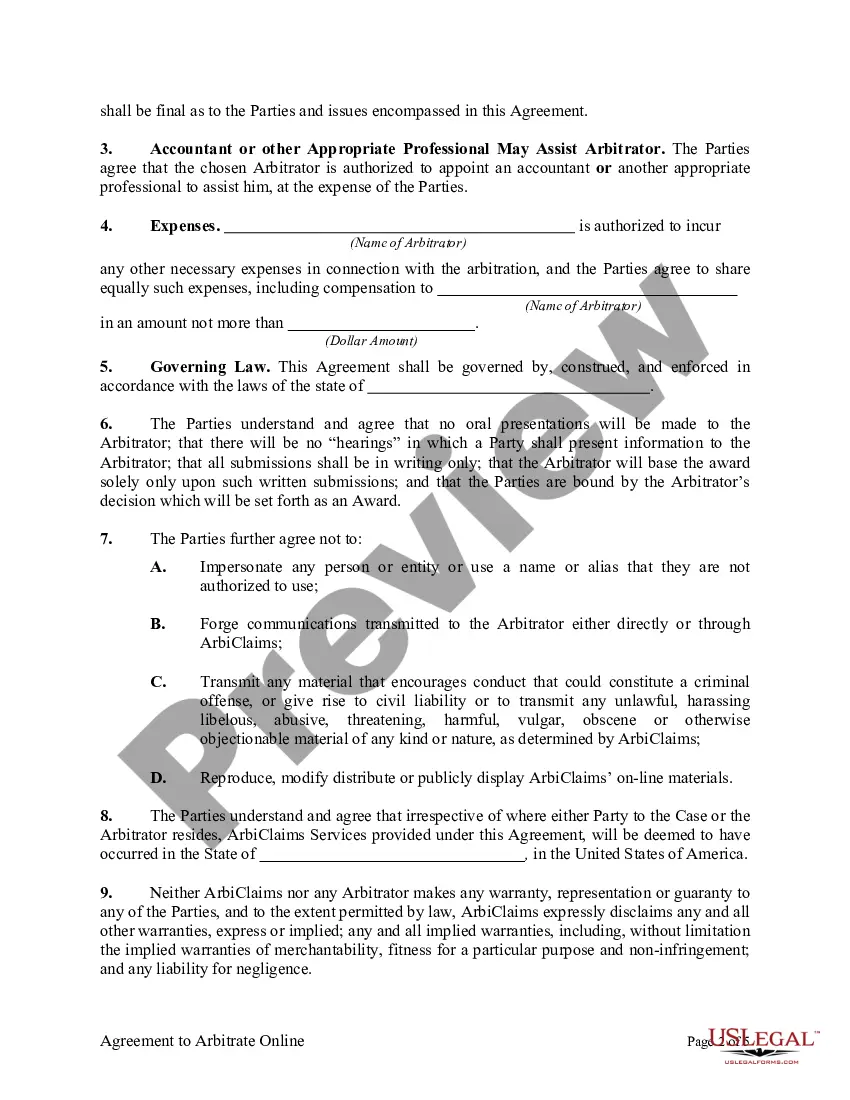
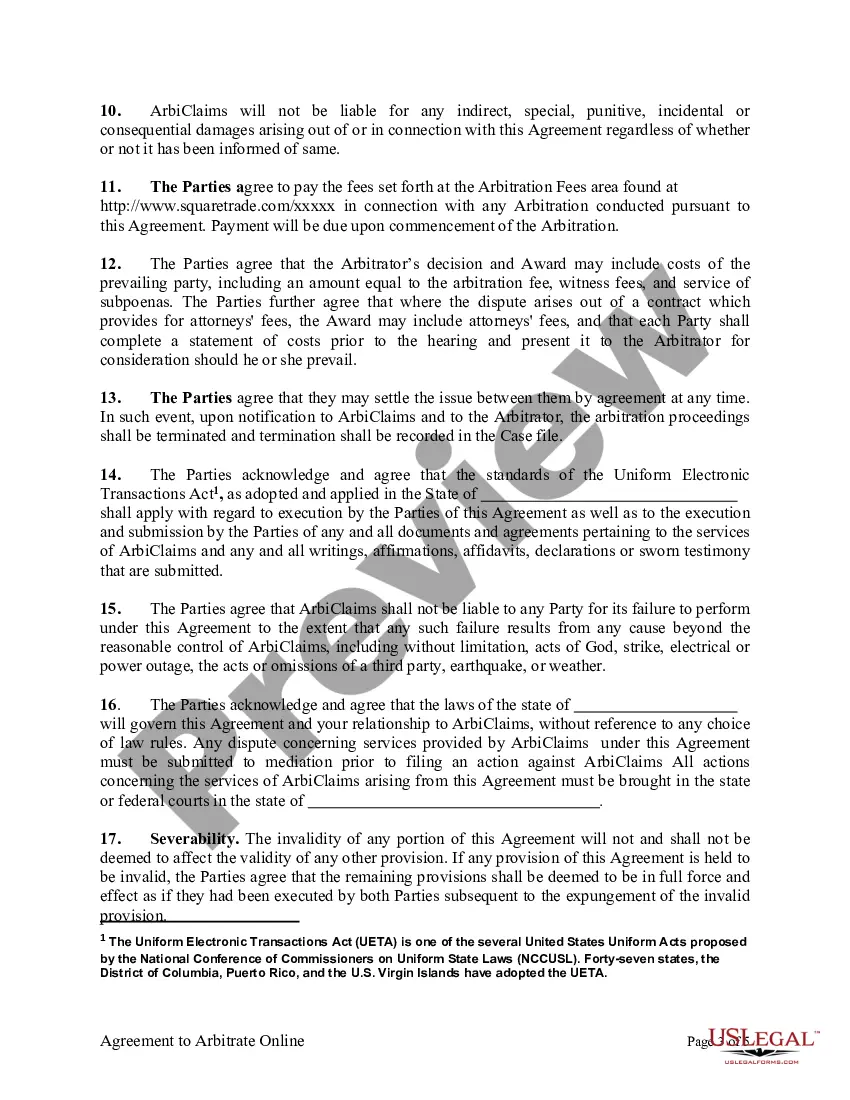

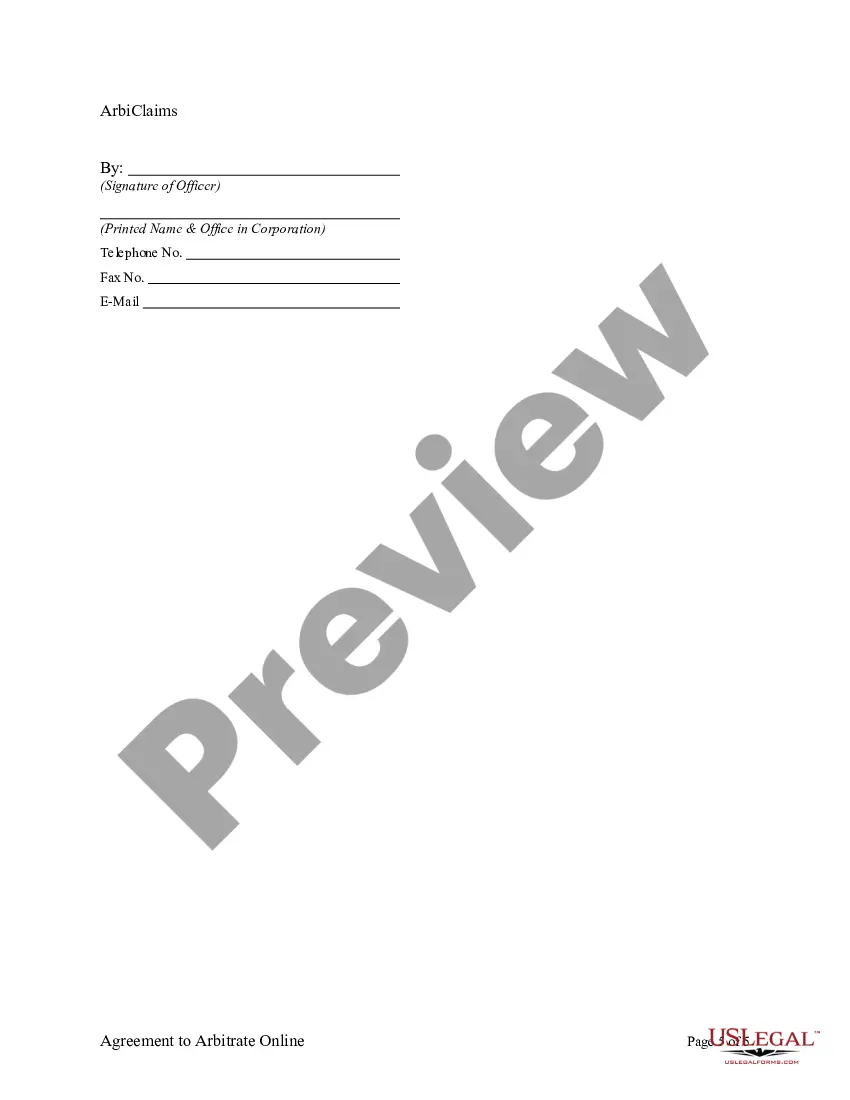



Get your form ready online
Our built-in tools help you complete, sign, share, and store your documents in one place.
Make edits, fill in missing information, and update formatting in US Legal Forms—just like you would in MS Word.
Download a copy, print it, send it by email, or mail it via USPS—whatever works best for your next step.
Sign and collect signatures with our SignNow integration. Send to multiple recipients, set reminders, and more. Go Premium to unlock E-Sign.
If this form requires notarization, complete it online through a secure video call—no need to meet a notary in person or wait for an appointment.
We protect your documents and personal data by following strict security and privacy standards.

Make edits, fill in missing information, and update formatting in US Legal Forms—just like you would in MS Word.

Download a copy, print it, send it by email, or mail it via USPS—whatever works best for your next step.

Sign and collect signatures with our SignNow integration. Send to multiple recipients, set reminders, and more. Go Premium to unlock E-Sign.

If this form requires notarization, complete it online through a secure video call—no need to meet a notary in person or wait for an appointment.

We protect your documents and personal data by following strict security and privacy standards.
Looking for another form?







Form popularity
FAQ
A claimant will typically start arbitration by sending a document known as a “request for arbitration” or a “notice to arbitrate” to its opponent.
After drafting the Motion to Compel Arbitration, you'll need to file it with the court clerk. You can do this in person or let an attorney do it for you if you have one. Filing requirements vary from one court to another; you need to consult with the court clerk about local rules for filing that apply to your case.
At arbitration, the arbitrator will listen as the parties offer evidence about the issues. Witnesses will answer questions under oath, and each party will explain its side of the case. After the arbitration, the arbitrator will review the evidence and make a decision (enter an award) on each issue.
Once registered, the request for arbitration can no longer be withdrawn and a claimant seeking to withdraw from the proceedings will need to seek the “discontinuance” of the proceedings.
(1) The arbitral proceedings shall be terminated by the final arbitral award or by an order of the arbitral tribunal under sub-section (2). (c) the arbitral tribunal finds that the continuation of the proceedings has for any other reason become unnecessary or impossible.
Some contracts give you the right to opt out of the forced arbitration clause within a certain period of time, often 30 to 60 days, after signing the agreement by notifying the company that you wish to opt out. Check your contract for the deadline and for specific instructions for opting out.
Contact the Texas Comptroller's Arbitration team at 800-252-9121 or ptad.arbitration@cpa.texas. You have certain rights under Government Code Chapters 552 and 559 to review, request and correct information we have on file about you. Contact us at the email address or phone number listed in these instructions.
Arbitration clauses often restrict you from pursuing any type of court action, including joining similarly harmed individuals in a class-action lawsuit, where the results would be public. If you opt out of an arbitration clause, you'll have the option to file legal action in court against the company if wrongs you.
Even if you don't currently have a dispute with the company, it is a good idea to opt out of the forced arbitration clause to preserve your options. You can always agree later to use an arbitrator to resolve any dispute. Moreover, if you have opted out, you will have more negotiating power if there is a problem.
