Agreement Form For Tailoring In Dallas
Description

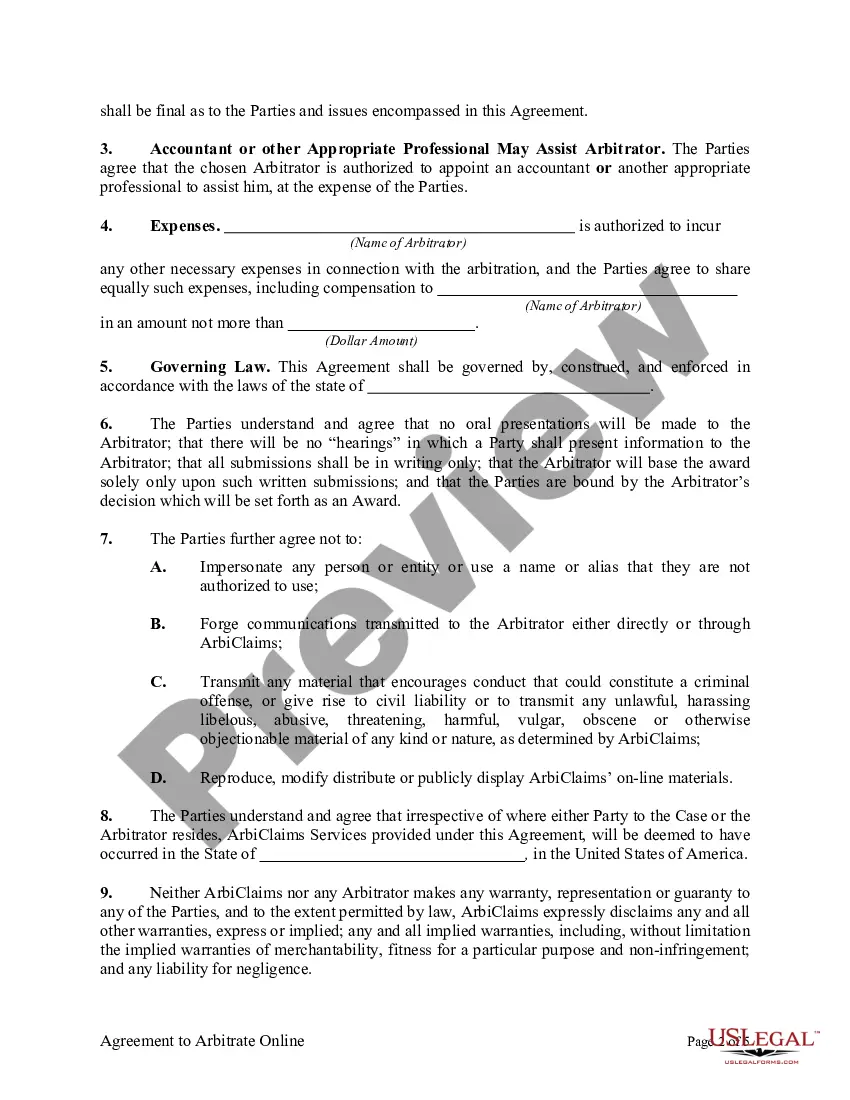
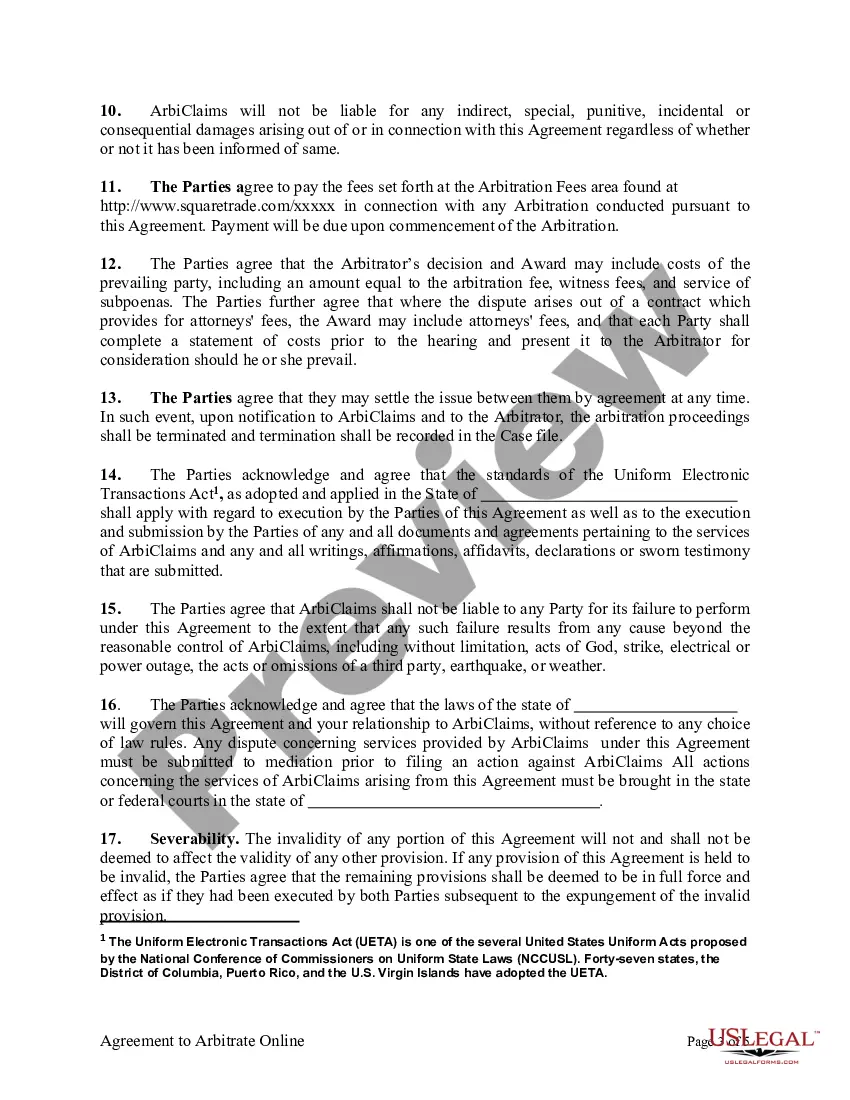




Get your form ready online
Our built-in tools help you complete, sign, share, and store your documents in one place.
Make edits, fill in missing information, and update formatting in US Legal Forms—just like you would in MS Word.
Download a copy, print it, send it by email, or mail it via USPS—whatever works best for your next step.
Sign and collect signatures with our SignNow integration. Send to multiple recipients, set reminders, and more. Go Premium to unlock E-Sign.
If this form requires notarization, complete it online through a secure video call—no need to meet a notary in person or wait for an appointment.
We protect your documents and personal data by following strict security and privacy standards.

Make edits, fill in missing information, and update formatting in US Legal Forms—just like you would in MS Word.

Download a copy, print it, send it by email, or mail it via USPS—whatever works best for your next step.

Sign and collect signatures with our SignNow integration. Send to multiple recipients, set reminders, and more. Go Premium to unlock E-Sign.

If this form requires notarization, complete it online through a secure video call—no need to meet a notary in person or wait for an appointment.

We protect your documents and personal data by following strict security and privacy standards.
Looking for another form?




Form popularity
FAQ
The following work does not require a permit: Painting. Wallpapering. Floor covering. Counter Tops. Roofing (if replacing with same material or lighter material) Replacing exterior siding or other materials with materials of the same basic design and type. Guttering. Window screens, window guards and burglar bars.
What work requires a permit? Replacing and repairing damaged siding, sheetrock or windows typically does not require a permit. Minor repairs to roofing or roof vents does not require a permit.
Permits are required for nearly all improvements done to a residential or commercial property. Fences, driveways, roofing, swimming pools, as well as any electrical, mechanical, plumbing, or general construction of a structure, requires a building permit.
Very generally speaking, the biggest you can build in Texas without a permit is 200 square feet.
Any entity must obtain a master permit before they: erect, construct, enlarge, add to, alter, repair, replace, improve, remove, , convert, equip, use occupy or maintain a structure or building service equipment. Storm windows, rain gutters, insulation.
The affidavit of heirship is a legal document commonly used in Texas when a person passes away without leaving a valid will (intestate) and real property is involved. This affidavit serves as evidence to determine the rightful heirs of the deceased individual and their respective interests in the property.
Tailor-made contracts are purpose-built agreements carefully formulated to address the distinct needs of the involved parties in a business deal. These contracts provide an elevated level of legal protection by factoring in unique scenarios, expectations, and business intricacies.
Tailoring is any change to the out-of-box system data. Tailoring never changes the actual Service Manager code or program. Service Manager allows you to change almost any record value. The following are examples of tailoring changes you can make by changing the underlying record values.
Write the contract in six steps Start with a contract template. Open with the basic information. Describe in detail what you have agreed to. Include a description of how the contract will be ended. Write into the contract which laws apply and how disputes will be resolved. Include space for signatures.
How to write a letter of agreement Title the document. Add the title at the top of the document. List your personal information. Include the date. Add the recipient's personal information. Address the recipient. Write an introduction paragraph. Write your body. Conclude the letter.
