Agreement Form For Land Sale In Broward
Description
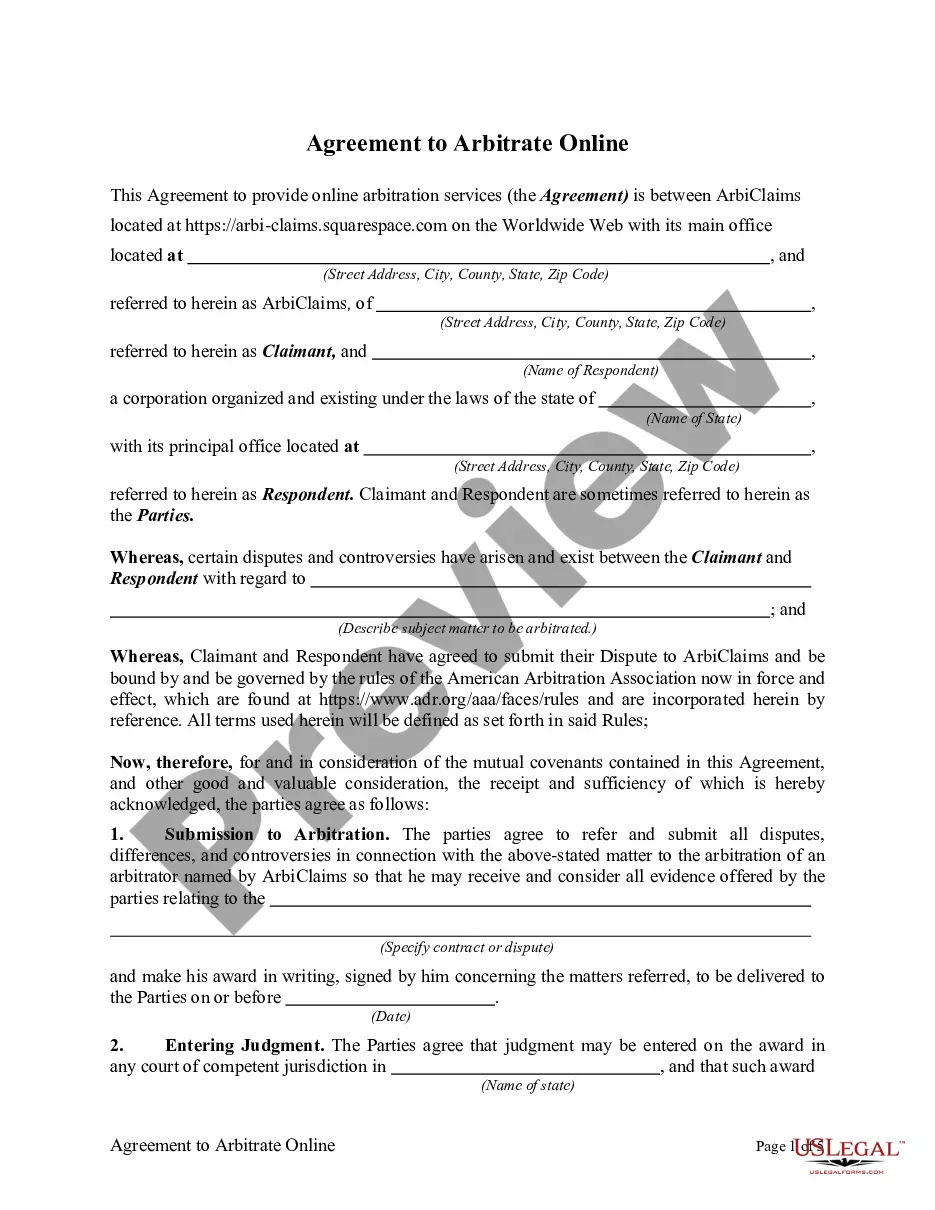
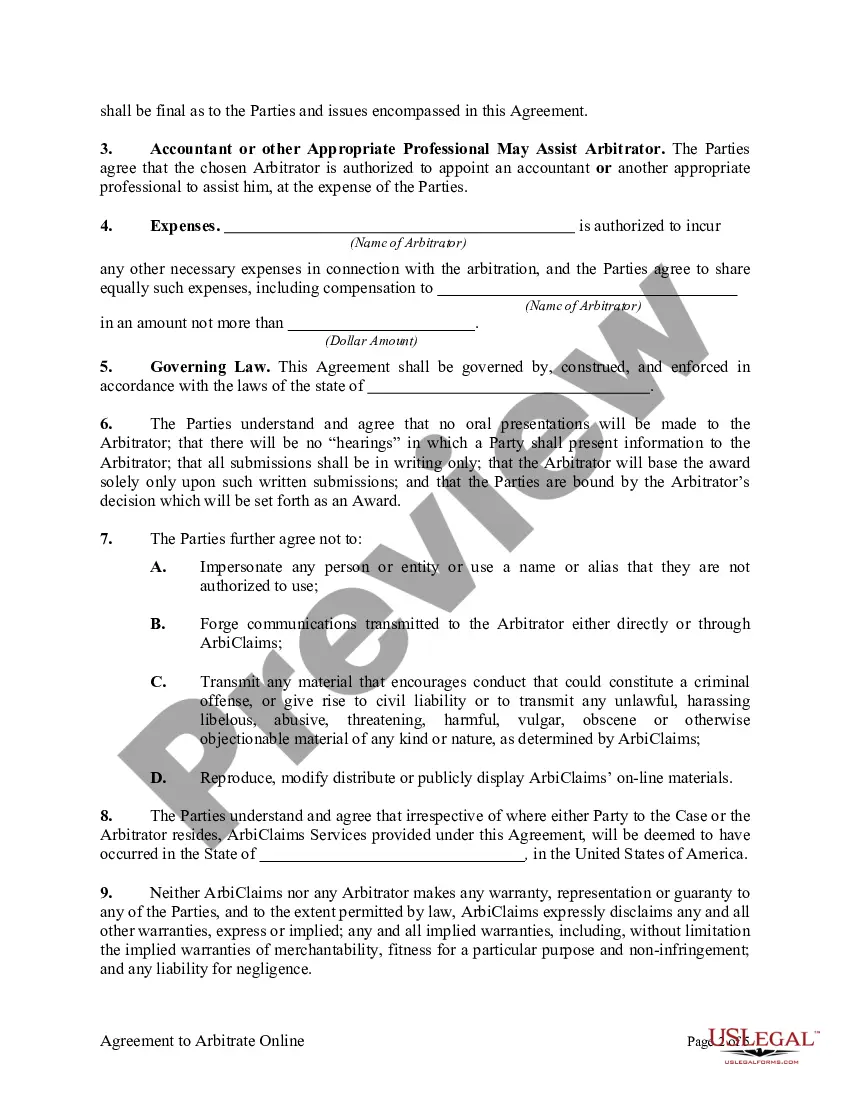
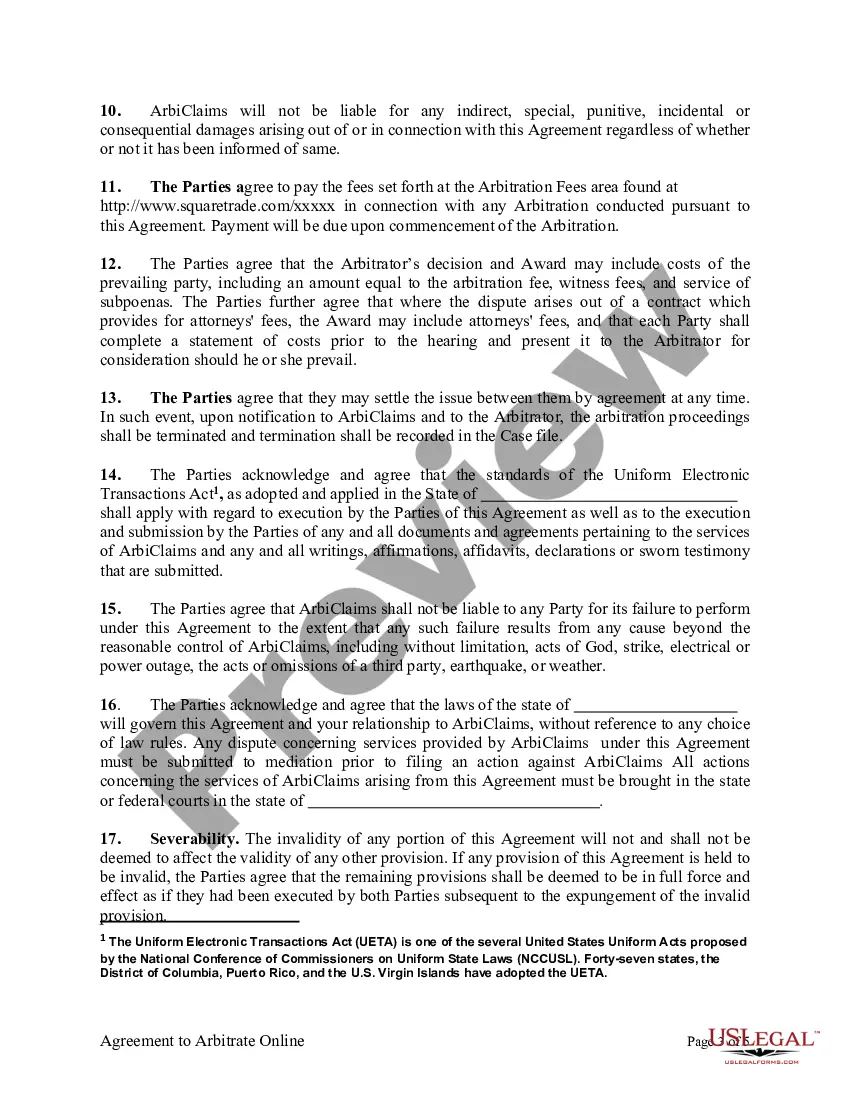

Get your form ready online
Our built-in tools help you complete, sign, share, and store your documents in one place.
Make edits, fill in missing information, and update formatting in US Legal Forms—just like you would in MS Word.
Download a copy, print it, send it by email, or mail it via USPS—whatever works best for your next step.
Sign and collect signatures with our SignNow integration. Send to multiple recipients, set reminders, and more. Go Premium to unlock E-Sign.
If this form requires notarization, complete it online through a secure video call—no need to meet a notary in person or wait for an appointment.
We protect your documents and personal data by following strict security and privacy standards.

Make edits, fill in missing information, and update formatting in US Legal Forms—just like you would in MS Word.

Download a copy, print it, send it by email, or mail it via USPS—whatever works best for your next step.

Sign and collect signatures with our SignNow integration. Send to multiple recipients, set reminders, and more. Go Premium to unlock E-Sign.

If this form requires notarization, complete it online through a secure video call—no need to meet a notary in person or wait for an appointment.

We protect your documents and personal data by following strict security and privacy standards.
Looking for another form?
Form popularity
FAQ
A Land Contract includes information about the: Seller. Purchaser. State the property is located in. Legal property description (typically found in the title or deed to the property) Monthly payment amount, the date that the purchaser should start monthly payments, and the interest rate.
A land contract is typically between two parties: the buyer – sometimes referred to as the vendee – and the seller, also known as the vendor. In a land contract, the seller agrees to finance the property for the buyer in exchange for the buyer meeting the terms agreed upon in the land contract.
To be enforceable, a land sale contract must satisfy the Statute of Frauds, which generally requires that these contracts be in writing and signed by the parties. Note that this writing is apart from the instrument under which the actual transfer takes place, which is known as the “deed.”
How to draft a contract in 13 simple steps Start with a contract template. Understand the purpose and requirements. Identify all parties involved. Outline key terms and conditions. Define deliverables and milestones. Establish payment terms. Add termination conditions. Incorporate dispute resolution.
Land contracts in Florida are a perfectly legal and binding alternative to traditional real estate financing methods. However, there are several very important considerations for both Buyers and Sellers to keep in mind before agreeing to enter into a land contract: 1. Up-front Costs.
The buyer is usually responsible for paying the property taxes on a land contract, though it depends on the terms of the agreement.
These laws mandate that all Contracts for Deed must be in writing, include the signatures of all parties involved, and be recorded in the county where the property is located. This ensures the agreement is legally binding and provides public notice of the buyer's equitable interest in the property.