Agreement Arbitration Document For Employment In Arizona
Description

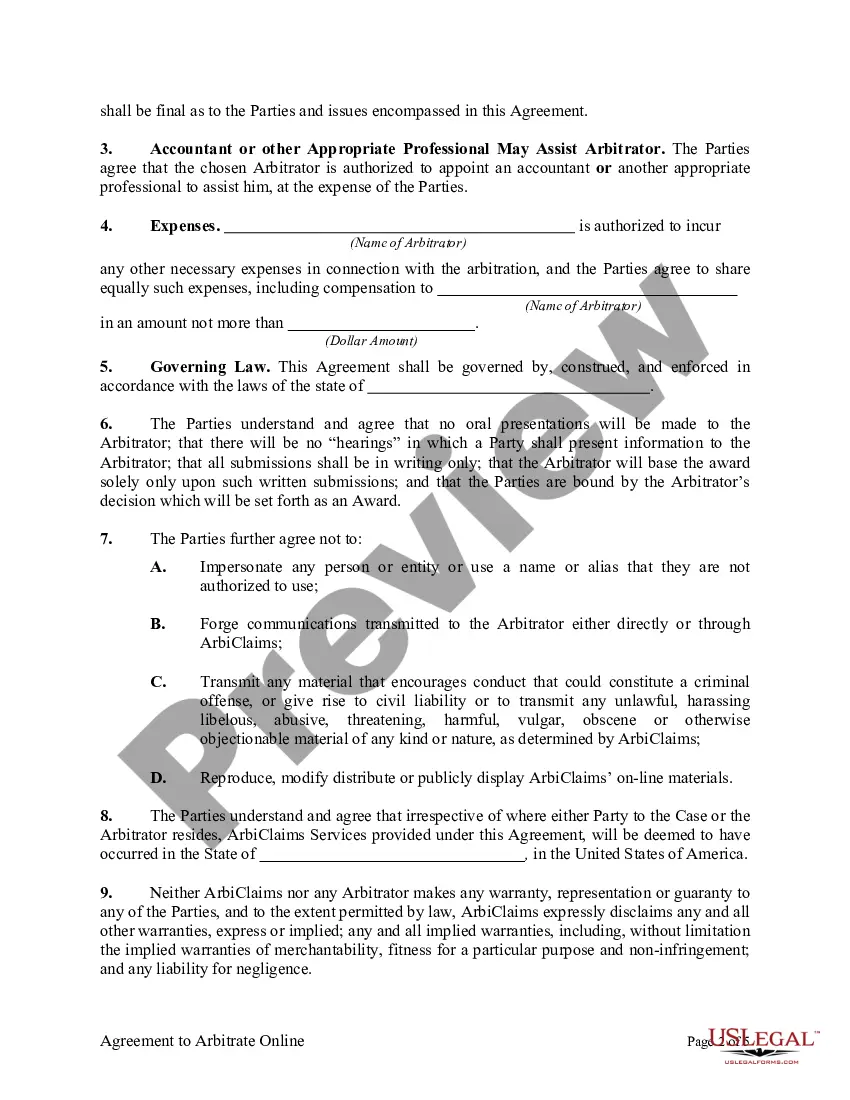
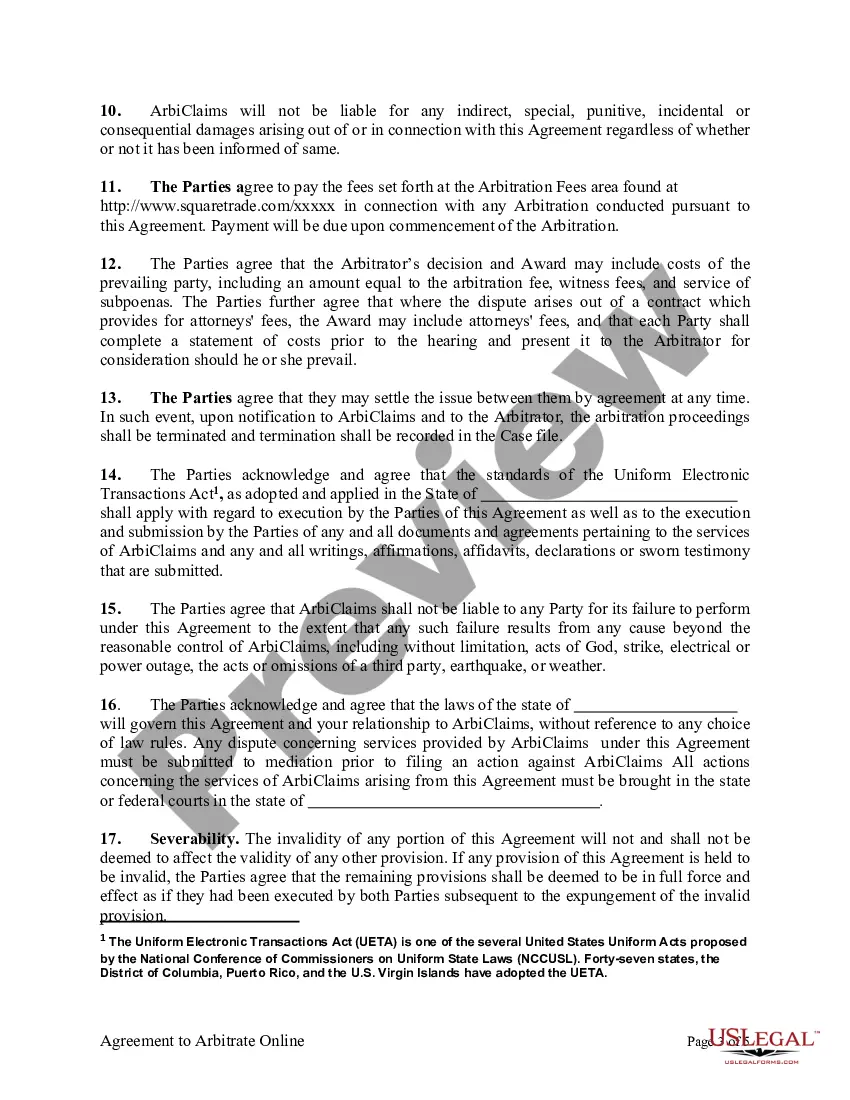

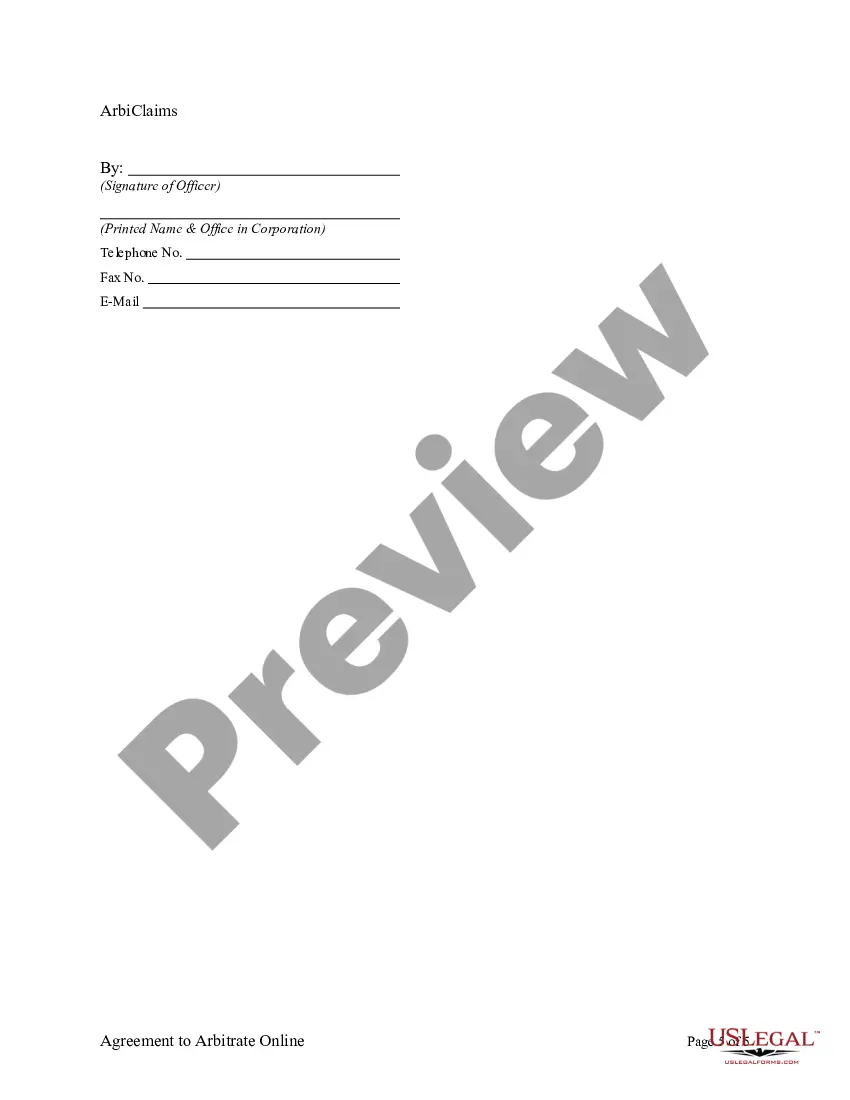



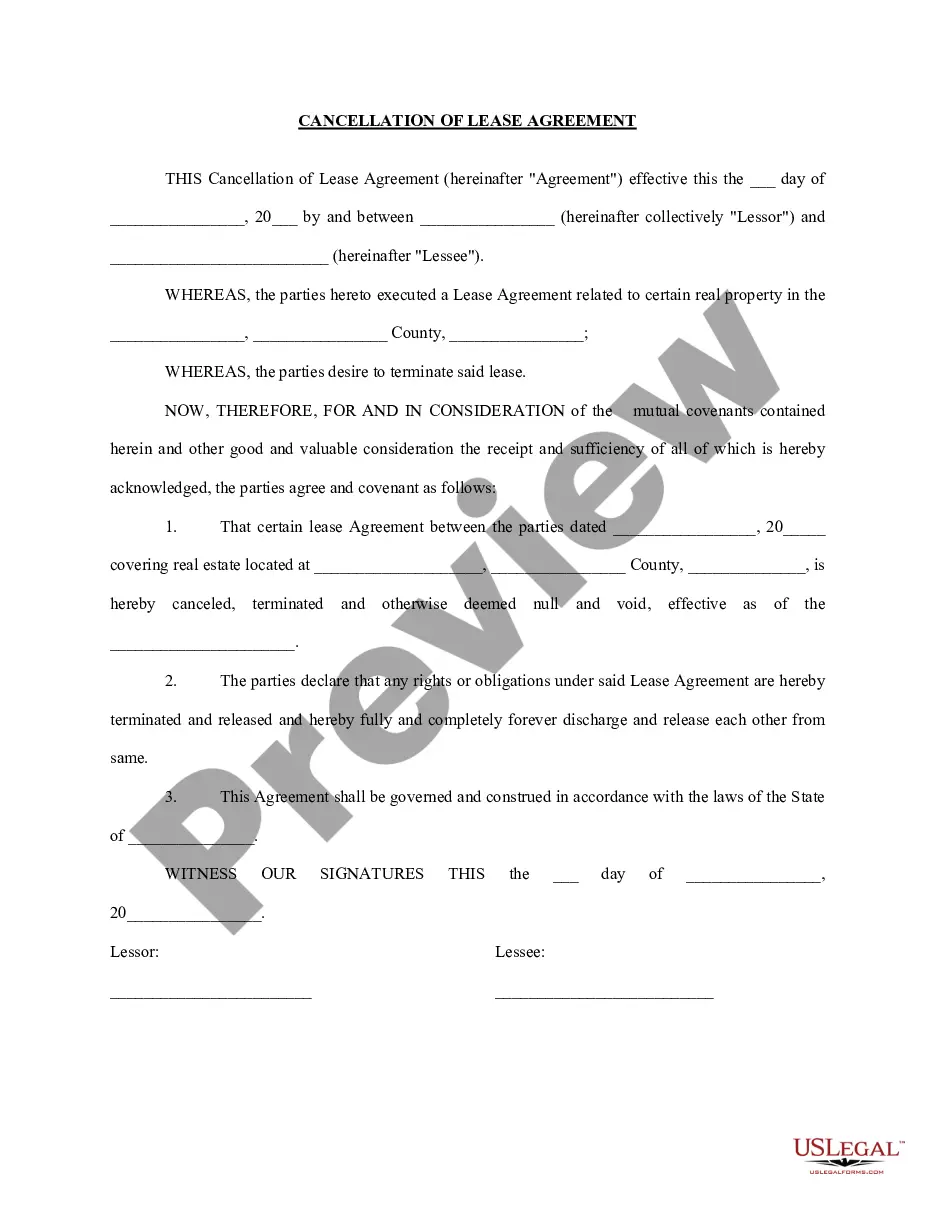
Get your form ready online
Our built-in tools help you complete, sign, share, and store your documents in one place.
Make edits, fill in missing information, and update formatting in US Legal Forms—just like you would in MS Word.
Download a copy, print it, send it by email, or mail it via USPS—whatever works best for your next step.
Sign and collect signatures with our SignNow integration. Send to multiple recipients, set reminders, and more. Go Premium to unlock E-Sign.
If this form requires notarization, complete it online through a secure video call—no need to meet a notary in person or wait for an appointment.
We protect your documents and personal data by following strict security and privacy standards.

Make edits, fill in missing information, and update formatting in US Legal Forms—just like you would in MS Word.

Download a copy, print it, send it by email, or mail it via USPS—whatever works best for your next step.

Sign and collect signatures with our SignNow integration. Send to multiple recipients, set reminders, and more. Go Premium to unlock E-Sign.

If this form requires notarization, complete it online through a secure video call—no need to meet a notary in person or wait for an appointment.

We protect your documents and personal data by following strict security and privacy standards.
Looking for another form?






Form popularity
FAQ
Arbitration agreements require that persons who signed them resolve any disputes by binding arbitration, rather than in court before a judge and/or jury. What is binding arbitration? Binding arbitration involves the submission of a dispute to a neutral party who hears the case and makes a decision.
Arbitration is a contract-based form of binding dispute resolution. In other words, a party's right to refer a dispute to arbitration depends on the existence of an agreement (the “arbitration agreement”) between them and the other parties to the dispute that the dispute may be referred to arbitration.
Arbitration agreements are a way that employers try to avoid being sued by employees for employment law violations, such as wage and hour violations or sexual harassment.
The Scope of the Clause. This section of the clause is critical; it sets the boundaries for which disputes the tribunal is authorised to determine. Choice of Rules. The Number of Arbitrators. Appointing Authority. Choice of Venue. The language of the proceedings. Finality. Exclusion of the right of appeal.
Arizona generally recognizes arbitration agreements as enforceable and irrevocable contracts, absent legal or equitable reasons to justify their unenforceability, where the following elements are present: (1) a mutuality of obligation; (2) formal requirements such as writing and signature; (3) consideration by both ...
"A dispute having arisen between the parties concerning , the parties hereby agree that the dispute shall be referred to and finally resolved by arbitration under the LCIA Rules. The number of arbitrators shall be one/three. The seat, or legal place, of arbitration shall be City and/or Country.
Top 10 tips for drafting arbitration agreements Introduction. Scope of the arbitration agreement. Seat of the arbitration. Governing law of the arbitration agreement. Choice of rules. Language. Number and appointment of arbitrators. Specifying arbitrator characteristics.
A claimant will typically start arbitration by sending a document known as a “request for arbitration” or a “notice to arbitrate” to its opponent.
The Request must: be written in English, French or Spanish (the official languages of the Centre) include the name and contact details of all parties (including e-mail, street address and telephone number) be signed and dated by the requesting party or its representative.
