Stockholder Meeting For Private Companies In Wake
Description

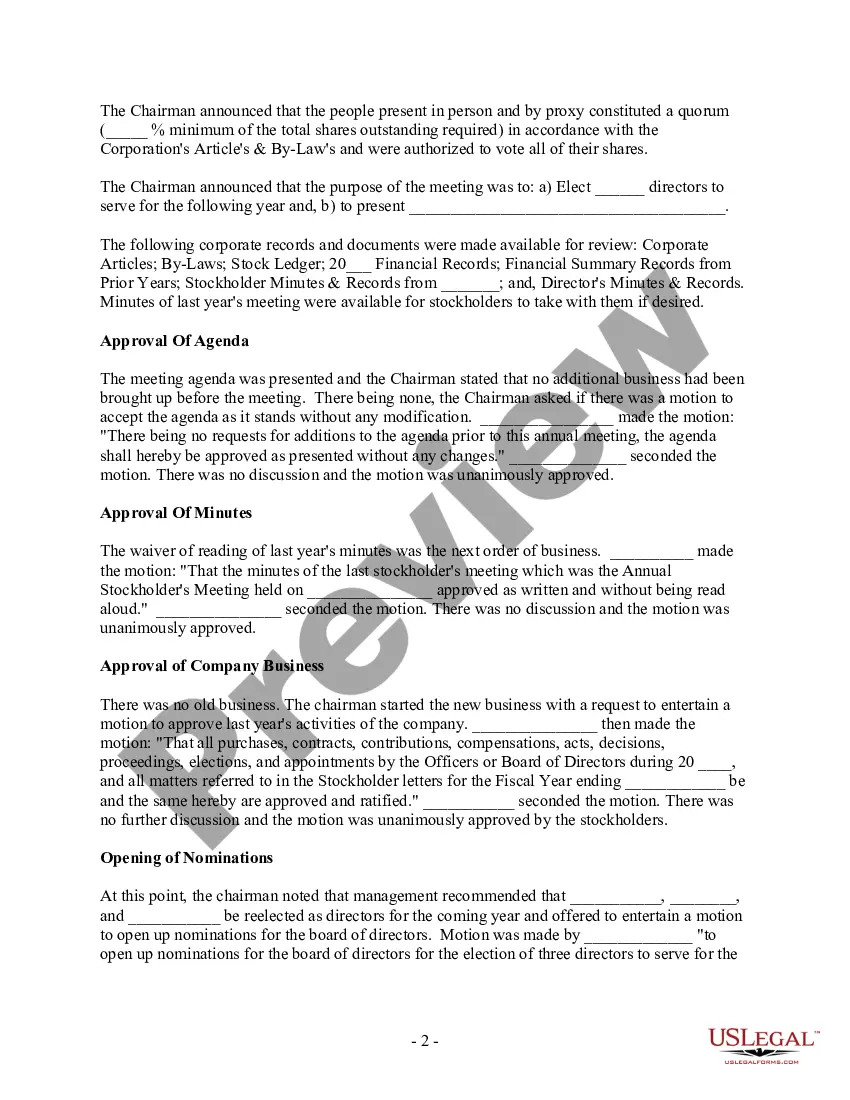
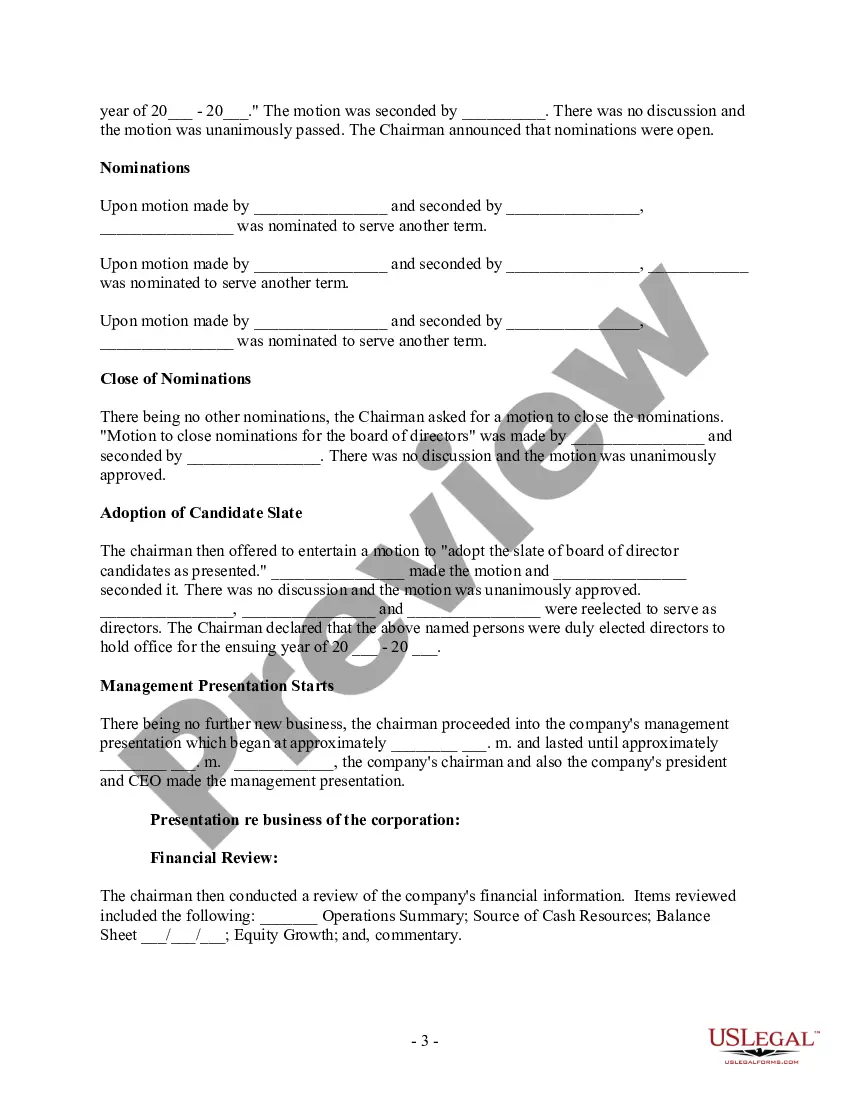
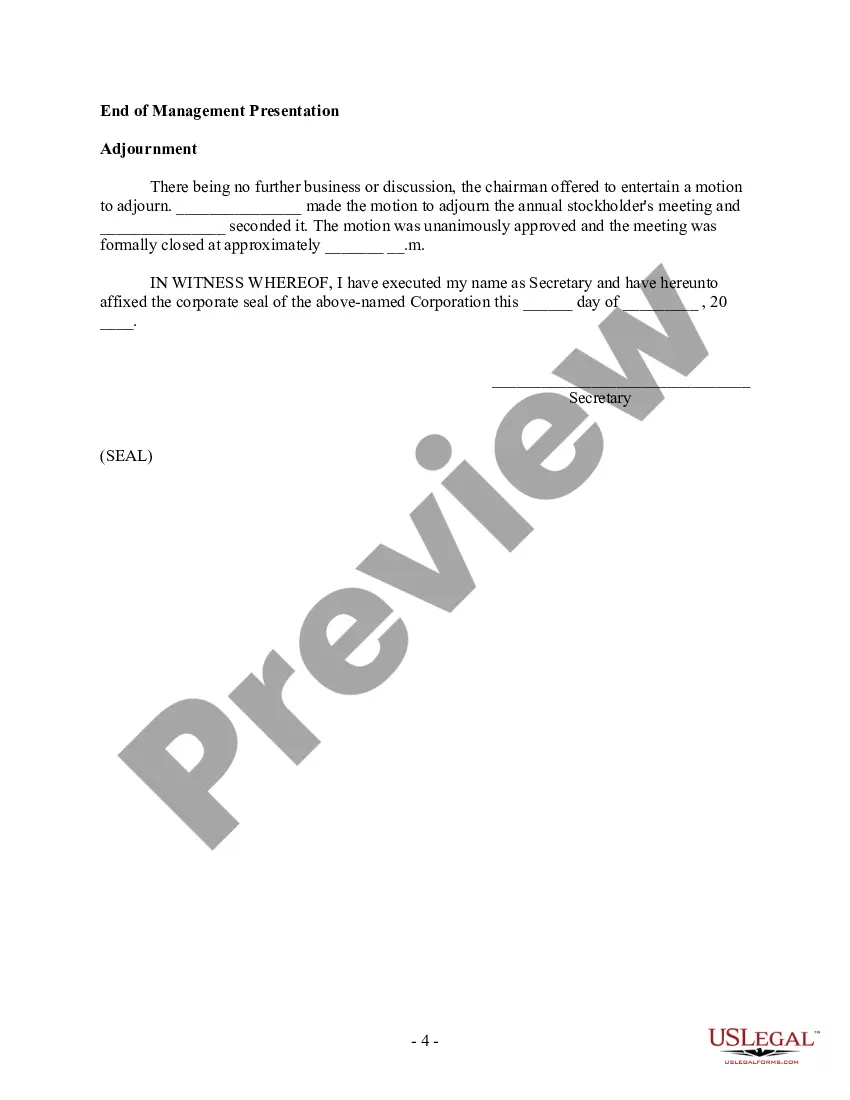

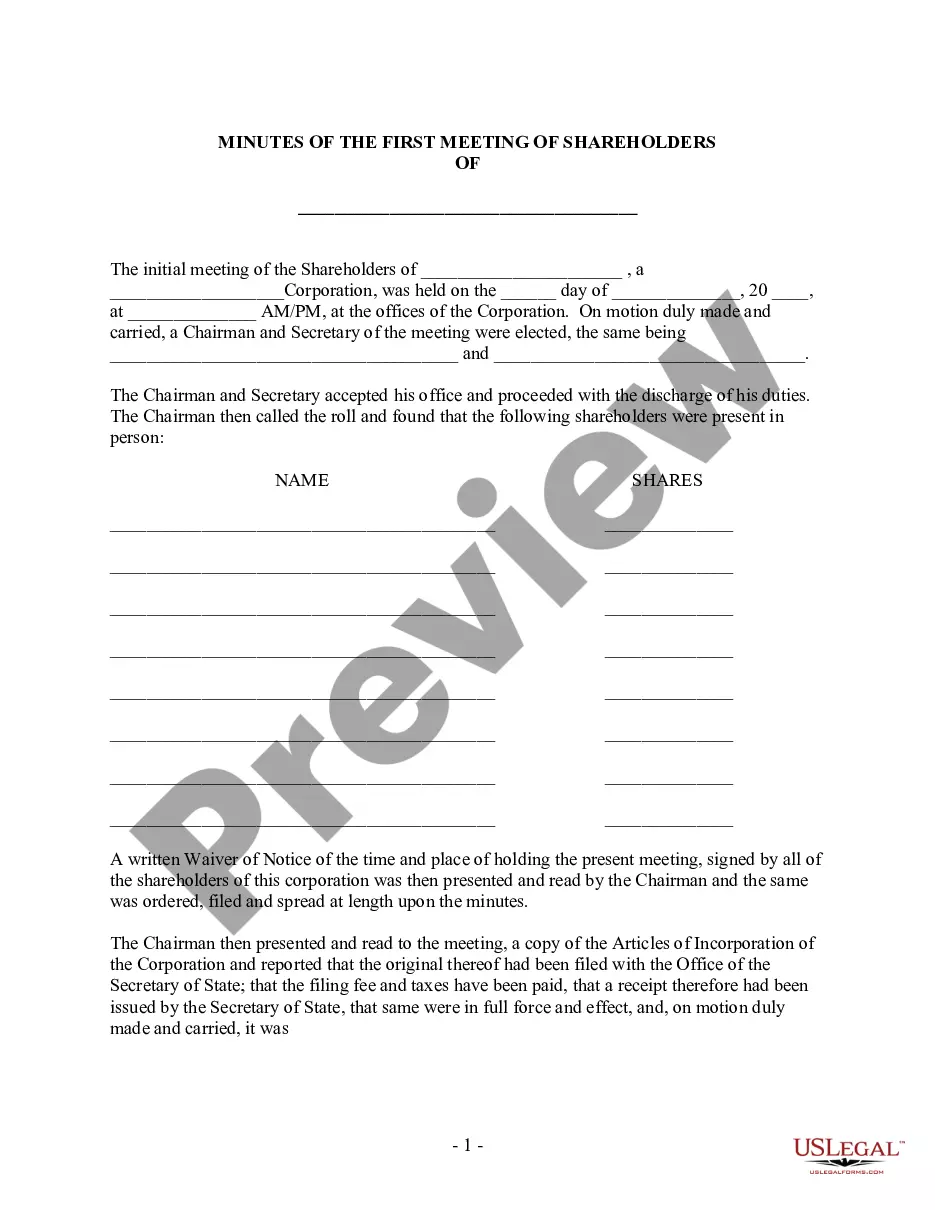

Get your form ready online
Our built-in tools help you complete, sign, share, and store your documents in one place.
Make edits, fill in missing information, and update formatting in US Legal Forms—just like you would in MS Word.
Download a copy, print it, send it by email, or mail it via USPS—whatever works best for your next step.
Sign and collect signatures with our SignNow integration. Send to multiple recipients, set reminders, and more. Go Premium to unlock E-Sign.
If this form requires notarization, complete it online through a secure video call—no need to meet a notary in person or wait for an appointment.
We protect your documents and personal data by following strict security and privacy standards.

Make edits, fill in missing information, and update formatting in US Legal Forms—just like you would in MS Word.

Download a copy, print it, send it by email, or mail it via USPS—whatever works best for your next step.

Sign and collect signatures with our SignNow integration. Send to multiple recipients, set reminders, and more. Go Premium to unlock E-Sign.

If this form requires notarization, complete it online through a secure video call—no need to meet a notary in person or wait for an appointment.

We protect your documents and personal data by following strict security and privacy standards.
Looking for another form?







Form popularity
FAQ
Scheduling AGMs While not mandatory for private companies, many opt to hold their AGM, as allowed by their Memorandum of Incorporation (MOI). The first AGM must be held within 18 months of the company's incorporation, with subsequent AGMs held annually, ensuring no more than 15 months elapse between meetings.
California law requires ALL California corporations, even those owned by a single shareholder, to hold an annual meeting of the shareholder(s) for the purpose of electing the board of directors.
During a shareholders' meeting, voting takes place by a show of hands, but it can also be carried out by secret ballot at the request of any shareholder or agent who is entitled to vote. You may vote to: Elect members of the board of directors. Appoint auditors. Accept resolutions.
All shareholders must be notified of the format, date, time, and place of the meeting. How far in advance notices should be distributed may depend on your state, but generally, they should be sent out more than 10 days prior to the meeting, but less than 60 days.
AGMs are mandatory for both public and private companies. All shareholders are legally obligated to receive an invitation to these meetings. The board of directors should also be represented. An auditor may also be present if the organization is subject to an audit requirement.
During the Shareholders' Meeting to approve the Annual Financial Statement, the Board of Directors reports on the business activities carried out, with Reports on the Financial Statement, published in advance in compliance with statutory procedures and the regulations.
Annual General Meeting (AGM) During these meetings, corporate board members present annual financial reports and accounts to be ratified by shareholders. Shareholders can also question board decisions and vote on the appointment, election, or removal of company directors.
Not complying with regulations regarding annual shareholder meetings can put your company, and its owners, at personal risk for liability.
Annual shareholder meetings are necessary but they can be costly, ill-attended and often do not add value other than their vital purpose under corporate law.
