Stockholder Meeting For Hoa In Santa Clara
Description

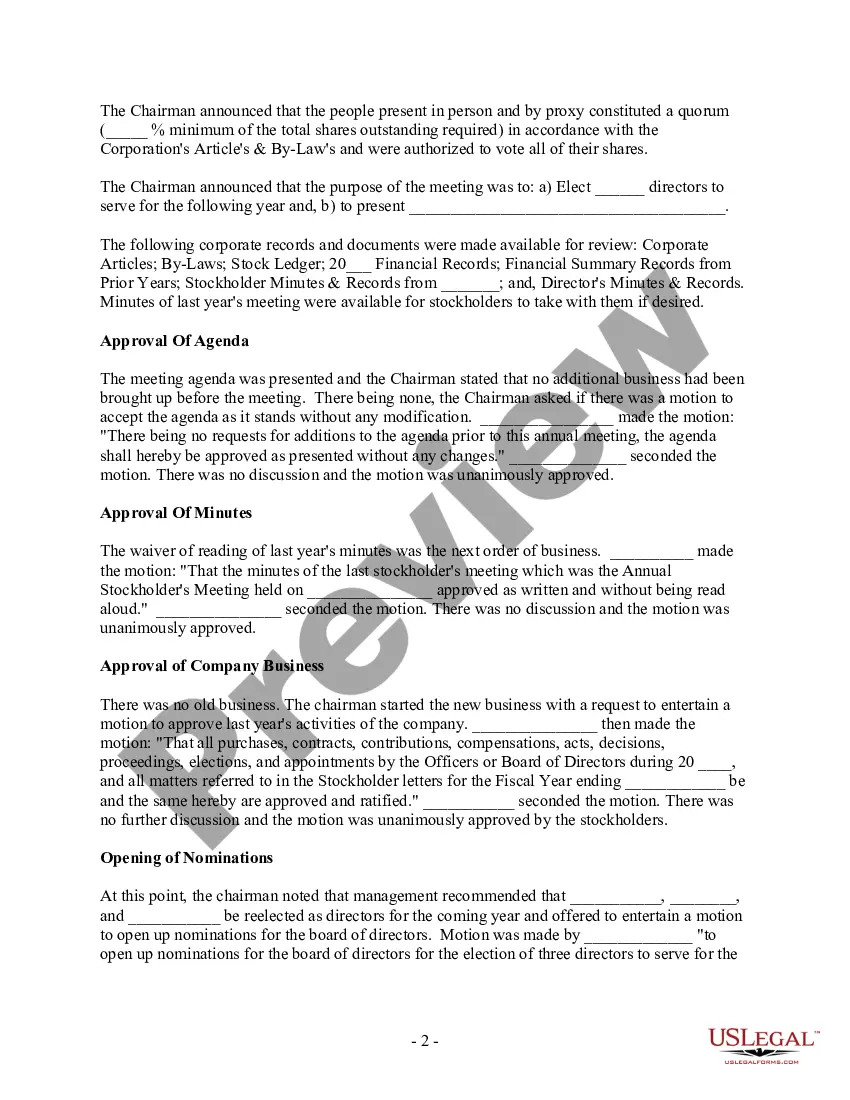
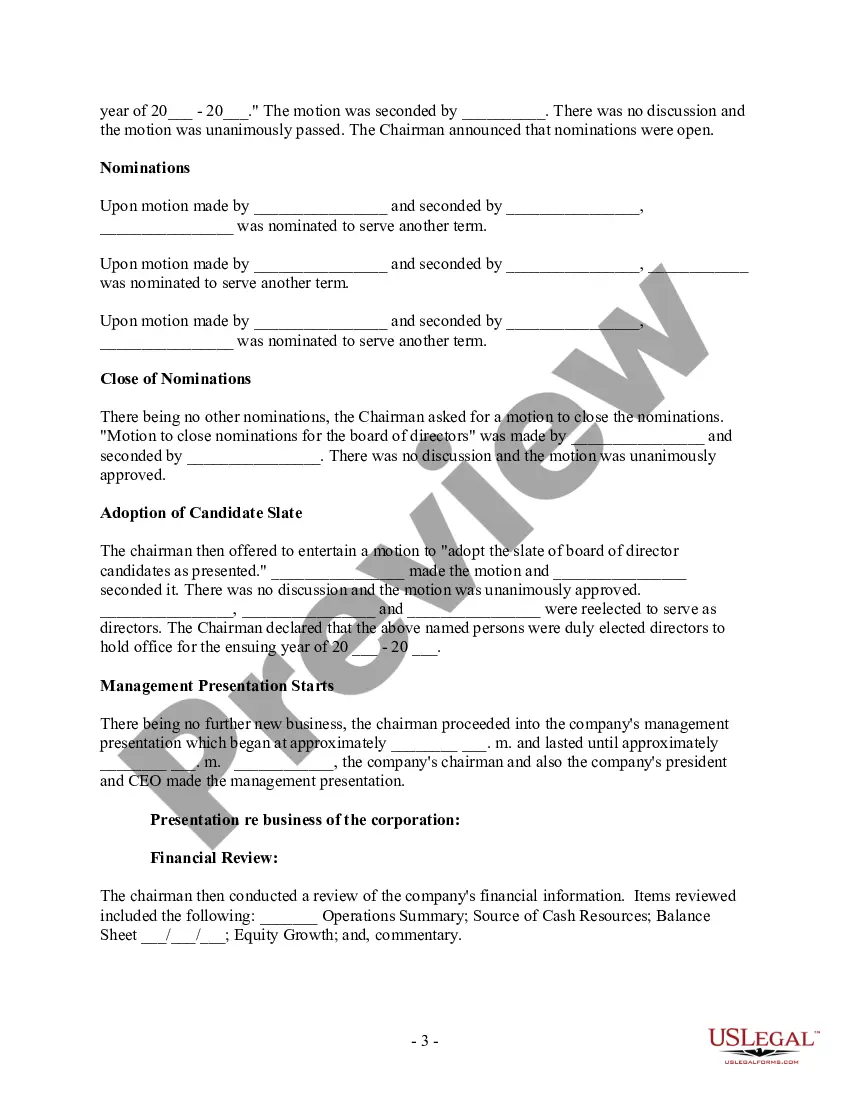
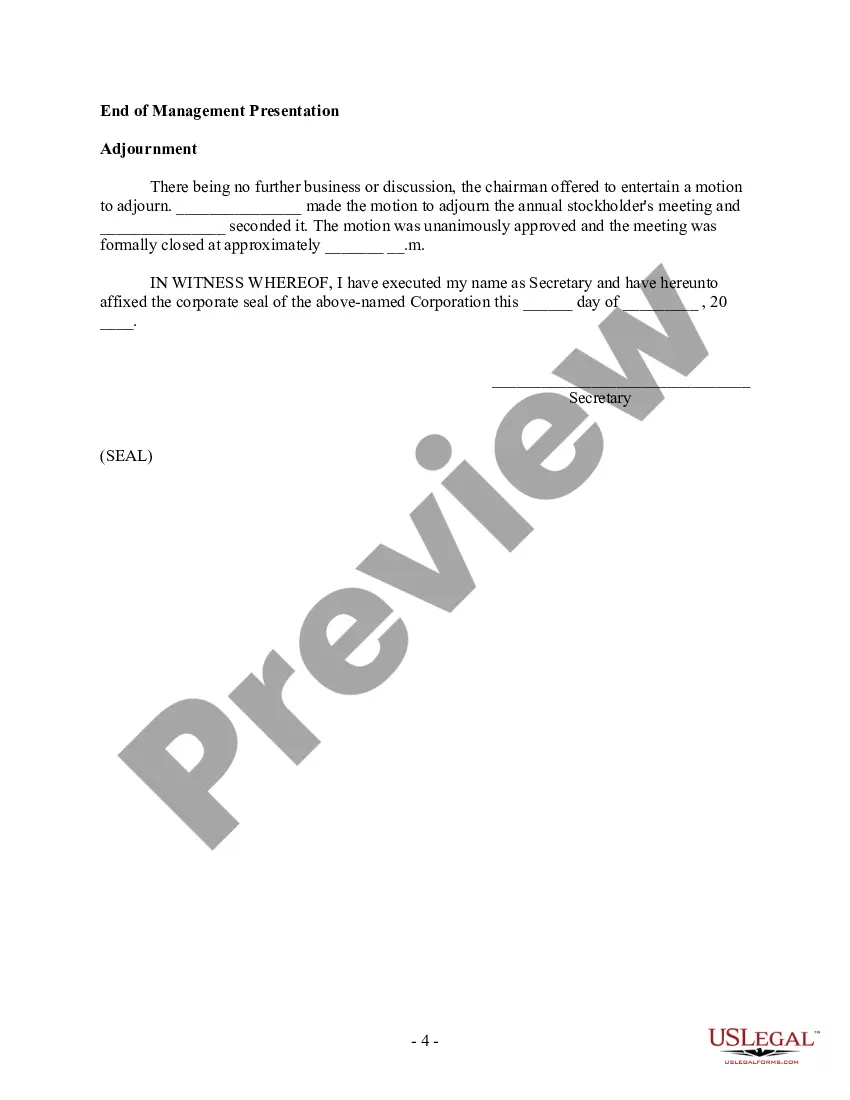

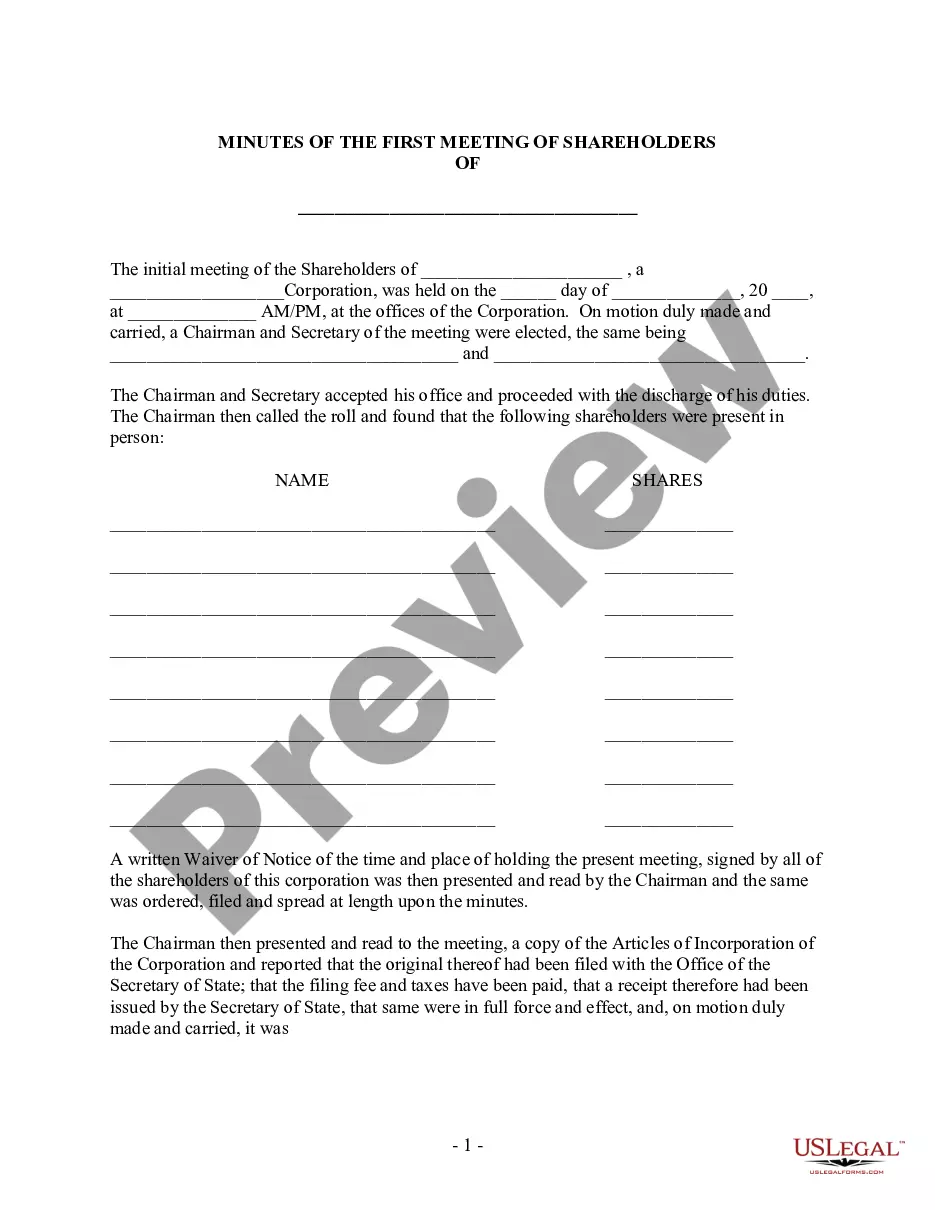

Get your form ready online
Our built-in tools help you complete, sign, share, and store your documents in one place.
Make edits, fill in missing information, and update formatting in US Legal Forms—just like you would in MS Word.
Download a copy, print it, send it by email, or mail it via USPS—whatever works best for your next step.
Sign and collect signatures with our SignNow integration. Send to multiple recipients, set reminders, and more. Go Premium to unlock E-Sign.
If this form requires notarization, complete it online through a secure video call—no need to meet a notary in person or wait for an appointment.
We protect your documents and personal data by following strict security and privacy standards.

Make edits, fill in missing information, and update formatting in US Legal Forms—just like you would in MS Word.

Download a copy, print it, send it by email, or mail it via USPS—whatever works best for your next step.

Sign and collect signatures with our SignNow integration. Send to multiple recipients, set reminders, and more. Go Premium to unlock E-Sign.

If this form requires notarization, complete it online through a secure video call—no need to meet a notary in person or wait for an appointment.

We protect your documents and personal data by following strict security and privacy standards.
Looking for another form?
Form popularity
FAQ
The chair is responsible for making sure agreed tasks are carried out, and making decisions between meetings if necessary. Before meetings the chair should plan and understand the agenda and ensure all necessary information is available.
Is recording HOA meetings legal or not? It depends on where your association is located. States like California, Florida, and Pennsylvania have two-party consent laws, which means that all parties involved must consent to the recording. If there is no consent, it is illegal.
The board president has the authority and responsibility to set the agenda. Regardless of the outcome, it's best to let your homeowners know that you appreciate their suggestion and carefully consider it. Here's what to do with homeowner input: Add their suggestions to the current meeting's agenda.
An agenda is an outline of the issues that a group will discuss during its meeting. The officers of the organization prepare the agenda with assistance from the organization advisor. An agenda starts with a list of general business items.
In most cases, the board secretary will set the agenda for a board meeting, although any board member can do it. The secretary often puts the board meeting agenda together in collaboration with the board president. The secretary typically asks board members if they have any items they want to be added to the agenda.
Often agenda items are just decided by the Chair and the Secretary. However, if you can it is useful to find ways of giving your members the opportunity to contribute. Some ways of doing this are: Put up a suggestion sheet on a notice board.
How to Run a Successful Community Association Meeting Announce the meeting in advance. Give your directors information regarding the topics to be discussed prior to the meeting. Be consistent. Create an agenda. Avoid surprises. Be prepared for controversy.
Conducting an HOA Meeting Start the meeting on time. Begin with a roll call to ensure all Board members are present. Discuss the items on the agenda in the order they are listed. Encourage all members to participate in the discussion. Stay on topic and avoid discussing items that are not on the agenda.
If an annual meeting is not conducted and/or is unable to take place due to a lack of quorum, the directors then in office generally continue to serve on the board until successors have been formally elected and qualified.
The Davis-Stirling Act in California spells out the rules for open meetings, which greatly affects when and how HOA boards can have closed meetings. Section 4900 of the Act says that all HOA board meetings must be open to all association members, with a few exceptions for private sessions.